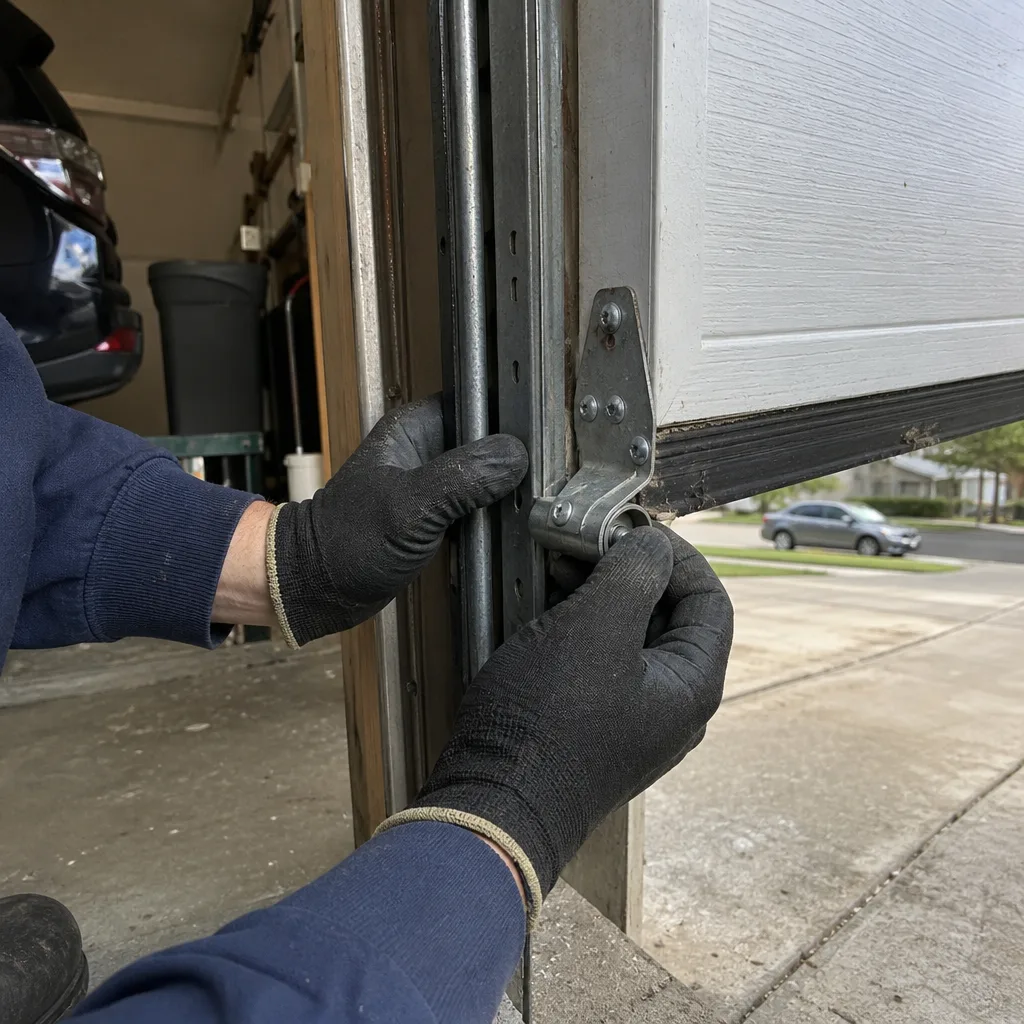
Last updated November 23, 2026
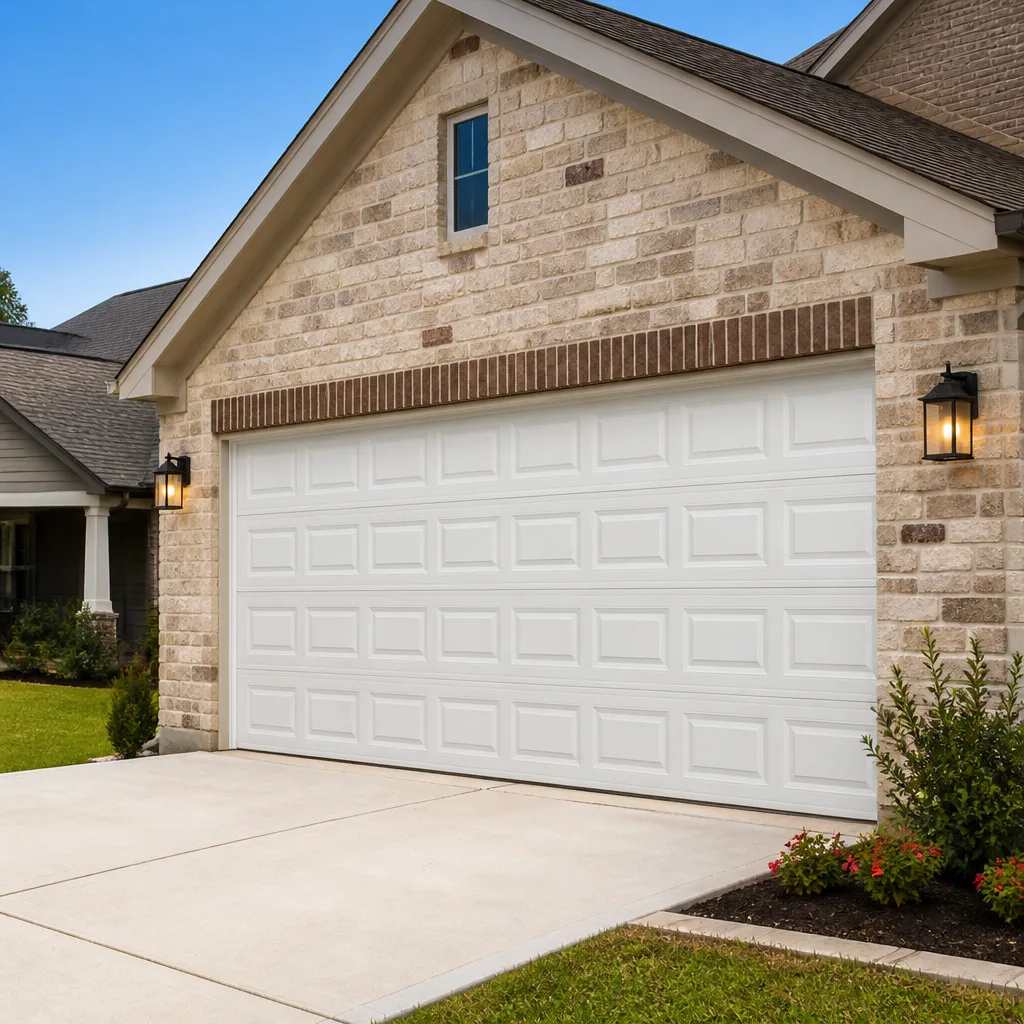 Raised-panel steel
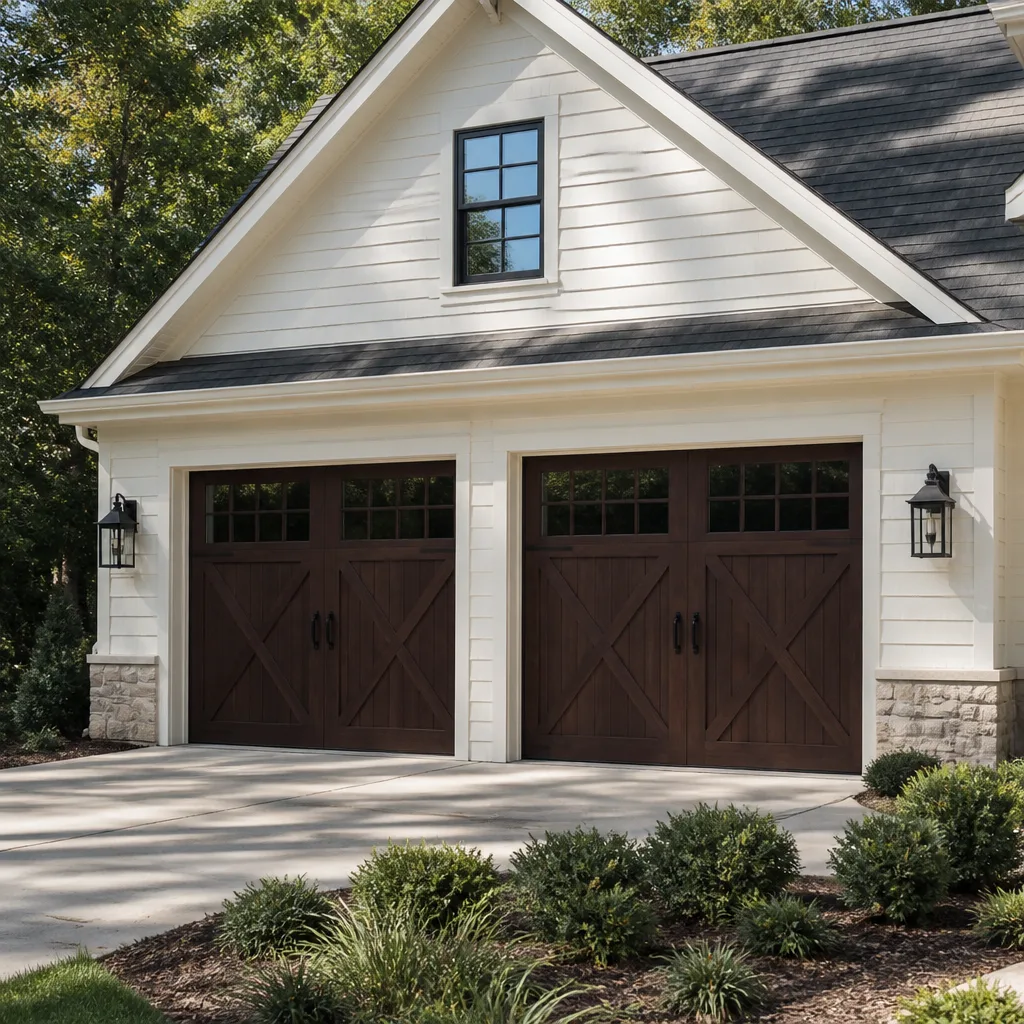 Carriage house
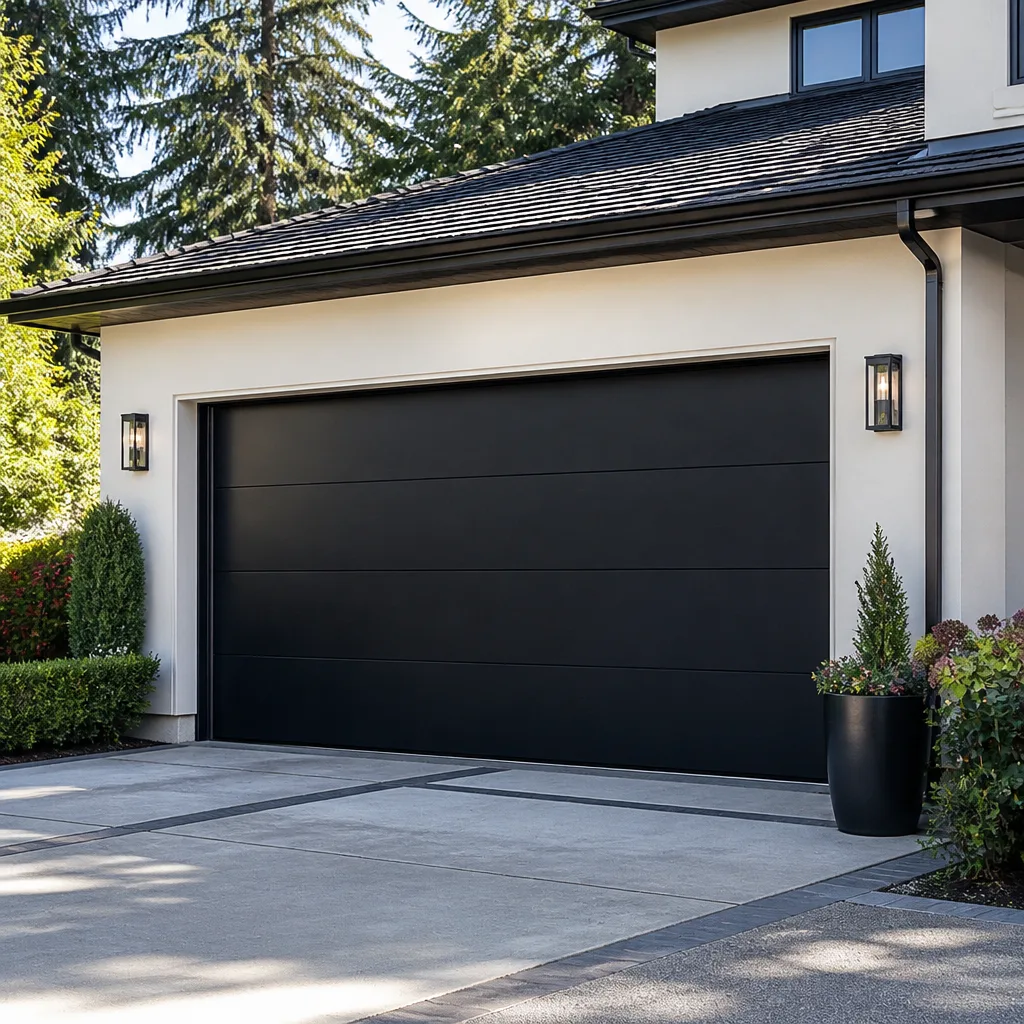 Modern flush
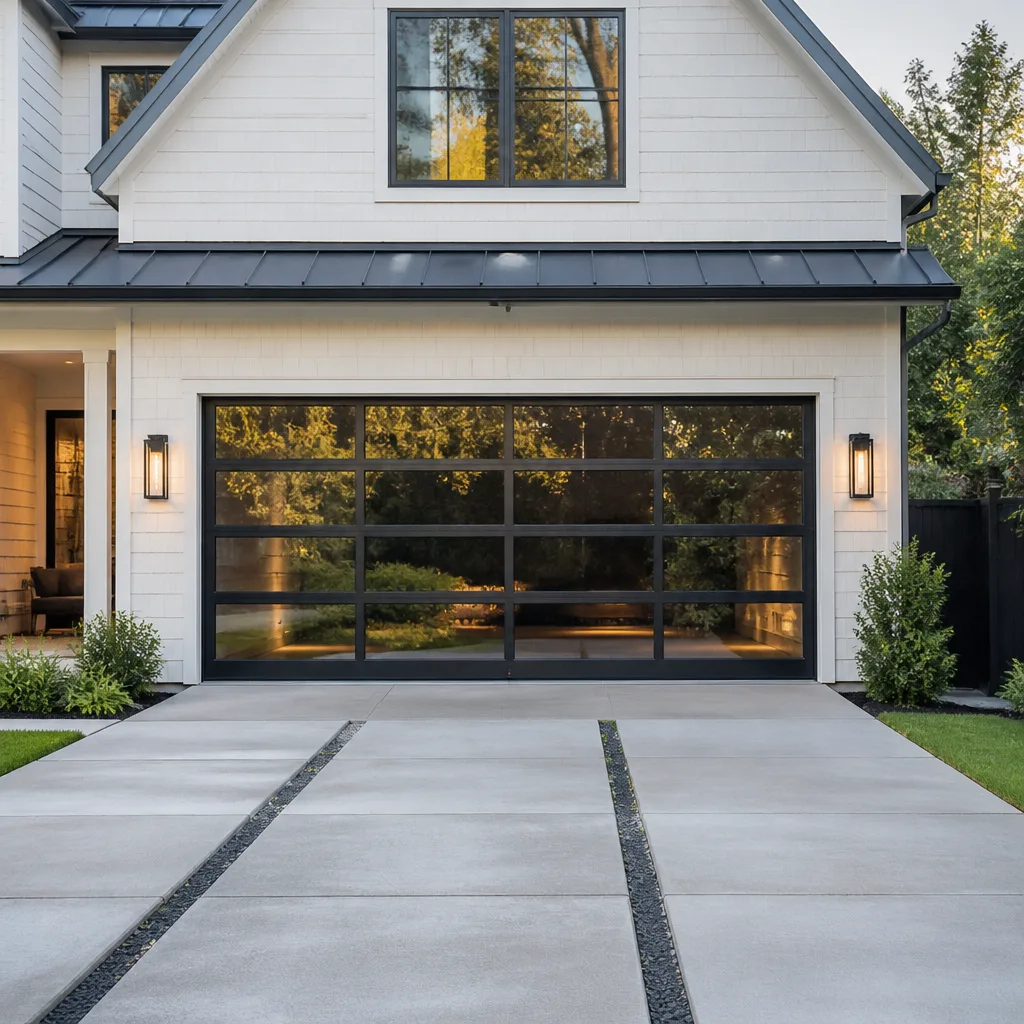 Full-view glass
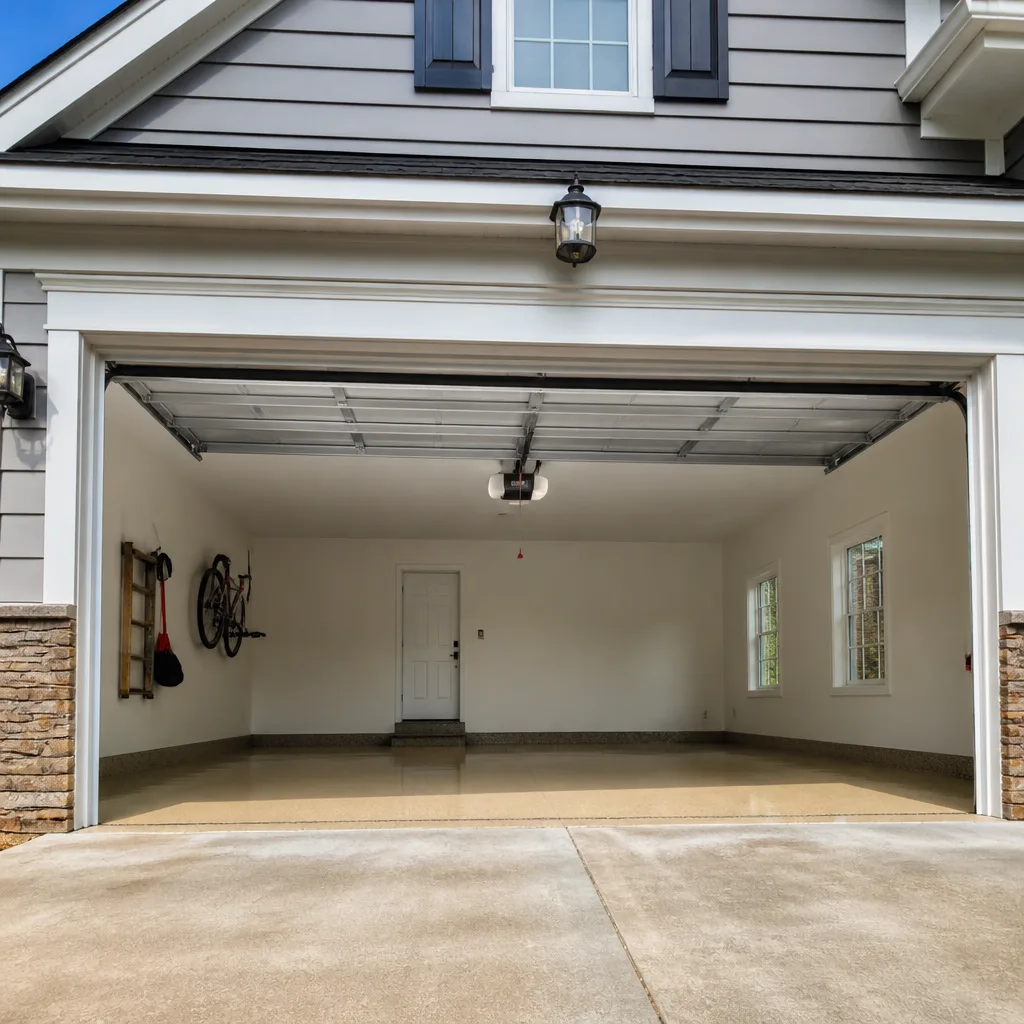 LiftMaster openers
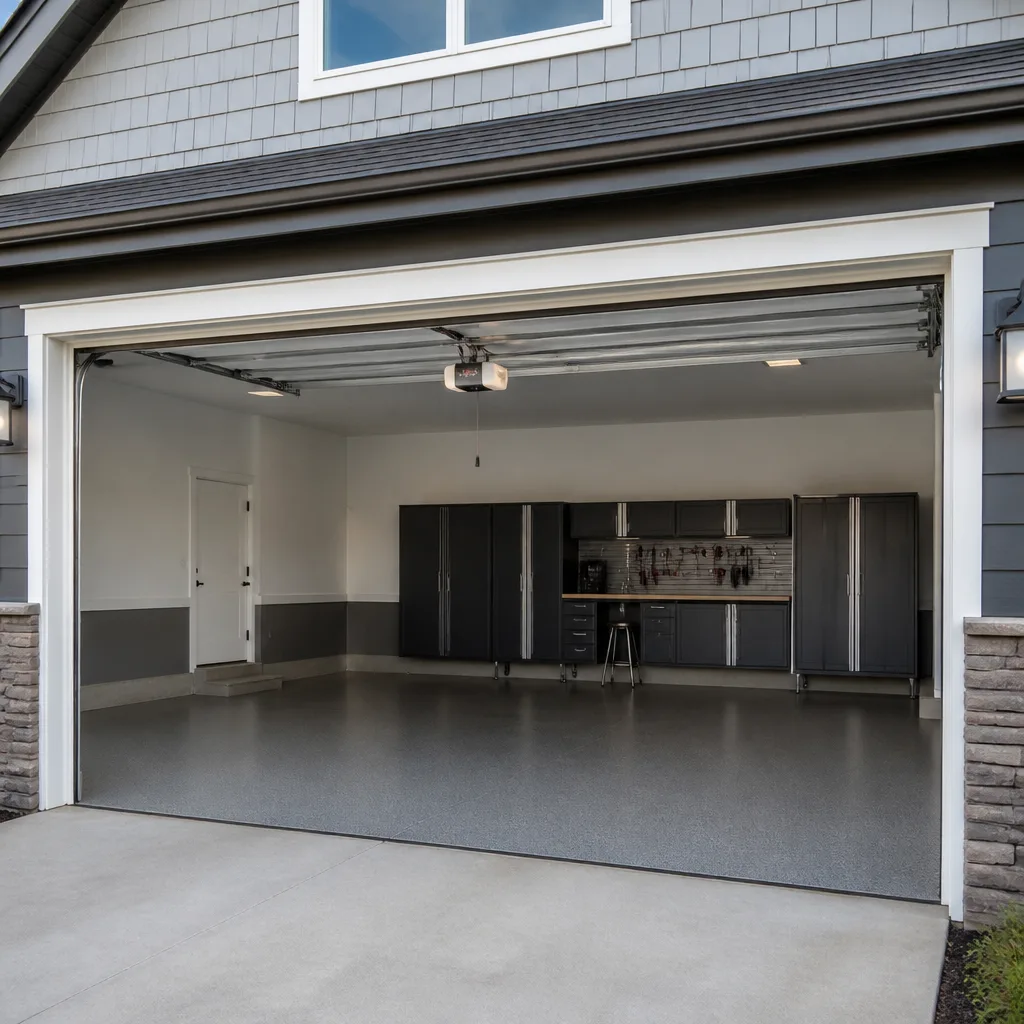 Chamberlain openers
Full 25-point door and opener safety check with every visit - springs, cables, rollers, tracks, and your LiftMaster or Chamberlain opener included
You get a price before we start. It does not change when the pro arrives.
Get your free estimateGarage Door Permits, Codes & Inspections in Virginia-Highland, GA: What You Need to Know
Most homeowners in Virginia-Highland assume a garage door is exempt from permitting because it’s a replacement, not new construction. That assumption is where trouble starts. Swapping a door in Atlanta can fall under building permit review, and in Virginia-Highland’s historic overlay districts it can also trigger design review through the city’s historic preservation office. Skip that step and you may be the one paying to remove and replace a door that was installed correctly but never approved. This guide walks through when Georgia code requires a permit, how Atlanta’s Neighborhood Planning Units and historic overlays affect your choices, what an inspector actually checks, and how to fix unpermitted work left by a previous owner.
Quick Answer
In Virginia-Highland, replacing a garage door in kind usually needs a building permit when the work changes the door’s size, structure, or opening, and nearly always needs historic preservation review if your property sits inside one of Atlanta’s overlay districts. A pure spring, cable, or opener repair is a service call, not permitted work. When in doubt, call Atlanta’s building department before you order a door; the review is far cheaper than removing one.
Styles & brands we work with
- Raised-panel steel
- Carriage house
- Modern flush
- Full-view glass
- LiftMaster openers
- Chamberlain openers
Table of Contents
- Does Replacing a Garage Door Need a Permit in Virginia-Highland?
- How Atlanta’s Historic Overlay Districts Affect Your Door Choice
- The Neighborhood Planning Unit and Permit Process, Step by Step
- What a Garage Door Inspection Actually Checks
- Retroactive Approval for Unpermitted Work by a Previous Owner
- Who Pulls the Permit: You or Your Contractor?
- Which Repairs Never Need a Permit
- Typical Costs and Timelines in Virginia-Highland
Does Replacing a Garage Door Need a Permit in Virginia-Highland?
Sometimes. In Virginia-Highland, the deciding factor is scope, not the word “replacement.” A door of the same size and type going into an existing opening, with no structural change, is often treated as a minor repair. A door that’s wider, taller, heavier, or hung on new framing is a different conversation, and so is anything that changes the opening itself.
Georgia’s building code treats a garage door as part of the building envelope and a component of the structural opening. That means permit thresholds generally follow these lines:
- Usually permitted: enlarging or narrowing the opening, replacing headers or framing, changing from a single door to a double, or installing a door in a wall that didn’t have one.
- Often exempt: a same-size replacement of a sectional door on the existing track and hardware, in an area without historic overlay.
- Always check first: anything on a property inside an Atlanta historic or conservation district, where design review runs on a separate track from the building permit.
The safest move for any Virginia-Highland homeowner is a short call to the city’s building department with your address and the door spec in hand. They’ll tell you whether the address sits in an overlay and whether the scope crosses the permit line. It takes ten minutes and settles the question before anyone orders a door.
Why the Answer Isn’t the Same on Every Street
Virginia-Highland is a mix of 1920s bungalows, mid-century ranches, and later infill, and the overlay boundaries don’t follow a neat grid. Two houses a block apart can land in different review categories. North Highland and Virginia Avenue corridors carry different design expectations than the quieter residential blocks off Barnett or Amsterdam. That’s why we never quote a permit answer from memory; we look up the specific address. For a plain garage door repair on existing hardware, this rarely comes up. For a full panel swap, it does.
How Atlanta’s Historic Overlay Districts Affect Your Door Choice
Atlanta’s historic preservation rules exist to keep the character of older neighborhoods intact, and Virginia-Highland’s housing stock is exactly the kind of architecture those rules were written for. If your property falls inside an overlay, the door you pick is reviewed as a visible design element, not just a mechanical one.
In practice, that means certain choices move through review easily and others get flagged:
- Sectional doors with raised-panel profiles in styles consistent with the period of the house tend to fit existing neighborhood patterns.
- Full-view aluminum and glass doors can be approved on modern infill but often draw comments on a 1920s bungalow.
- Color matters. A door painted to match the trim or the body of the house reads as original; a high-contrast industrial finish usually needs justification.
- Window inserts at the top panel are common in Virginia-Highland and generally accepted where they echo the original door.
- Oversized or carriage-style doors on a garage that never had one are reviewed carefully, especially where the opening faces the street.
Brands matter less than profile. A Clopay or Amarr door in a compatible panel style will pass review as readily as anything else. What gets rejected is a door that looks out of place for the block, and replacing a rejected door is far more expensive than choosing carefully the first time. If you’re weighing options, our garage door installation page covers how we match door profiles to the house rather than to a catalog.
Reading Your Block Before You Buy
The homeowners who avoid review problems are the ones who walked their own street on a normal weekday and photographed the door styles already in place. Virginia-Highland is consistent enough that the approved vocabulary becomes obvious within a few blocks. Bring those photos to your contractor and to the preservation office; a design that’s already on your street is a much shorter conversation than one that isn’t.
The Neighborhood Planning Unit and Permit Process, Step by Step
Atlanta’s Neighborhood Planning Units are citizen advisory bodies that review certain applications in their area, and Virginia-Highland falls within one. Not every garage door project goes before the NPU, but larger or more visible work sometimes does, and knowing the sequence saves weeks.
- Confirm your address status. Call the city’s building department and ask two questions: does this address sit in a historic or conservation overlay, and does a garage door replacement of this scope require a permit?
- Check NPU involvement. If the project requires design review or a variance, ask whether it goes to your Neighborhood Planning Unit and what the meeting schedule looks like.
- Assemble the submittal. That usually means a survey or site plan, photos of the existing door, the door manufacturer’s spec sheet, and a rendering or photo of the proposed door. Clopay and Amarr both publish door images you can use for this.
- Submit and wait for review. Preservation review and building permit review can run in parallel or in sequence, depending on the scope. Ask which applies to your address.
- Receive the permit before ordering. This is the step homeowners skip. Ordering a door before the permit is issued is how people end up with a door they can’t legally install.
- Schedule the inspection. Once the door is installed, the inspection confirms the work matches the approved scope and meets code.
If your project is a straightforward replacement and the address isn’t in an overlay, the process collapses to a permit application, an install, and an inspection. For anything more involved, plan on a few weeks of review before the door is ordered.
What a Garage Door Inspection Actually Checks
An inspection isn’t a look-and-nod. It’s a check of the things that make a door safe to live under, and inspectors know exactly where to look. In our experience, the items below are what get attention in Virginia-Highland homes, many of which have older framing and original openings.
- Attachment points and hardware. The inspector checks that the track, brackets, and spring anchor plate are secured into solid framing, not just drywall or siding. Older Virginia-Highland garages sometimes have softened or undersized framing that needs attention before a heavier door goes up.
- Load ratings and spring balance. The door should lift and hold with reasonable hand force and stay put when released halfway. Springs sized wrong for the door’s weight fail this check, and it’s a common finding on replacements where the new door is heavier than the old one.
- Opener safety reversal. A door closing on an obstruction must reverse. Inspectors test this directly, and it’s the single most important safety function on any automatic door. LiftMaster, Chamberlain, and Genie openers all have this feature, and it needs to be set and working.
- Photoelectric safety eyes. The beam pair near the floor must be aligned, mounted at the correct height, and wired so a broken beam stops and reverses the door.
- Emergency release. The manual release must be reachable and functional, and the cord should be marked so nobody mistakes it for something else.
- Clearances and labeling. Proper clearance around moving parts, warning labels in place, and the door matching the approved permit scope.
An inspector who finds a mismatched spring or a non-reversing opener will fail the inspection, and rightly so. Springs and cables are under extreme tension and cause serious injuries when they’re handled without the right tools and training. We don’t recommend homeowners adjust, remove, or test springs themselves; that’s a job for a trained technician. What you can safely do is test the safety reversal with a small object and confirm the eyes are clear and aligned.
Retroactive Approval for Unpermitted Work by a Previous Owner
If you bought a Virginia-Highland house and discovered the garage door, the framing, or the opener was installed without a permit, you’re not stuck. Atlanta has a process for retroactive approval, and it’s more common than people expect in older neighborhoods where work was done decades ago and never documented.
The path generally looks like this:
- Pull the permit history. Ask the city what’s on record for the address. Sometimes a permit exists and was never closed out, which is a much simpler fix.
- Request an inspection of existing conditions. The inspector documents what’s there and identifies anything that doesn’t meet current code.
- Correct what fails. This might be hardware anchoring, a missing safety reversal feature, or spring sizing. Most corrections on a garage door are a single service visit.
- File for retroactive approval. Submit the documentation the city requires along with the corrected work, and complete the inspection cycle.
The cost depends entirely on what the inspection finds. A door that’s fine except for missing paperwork is a modest administrative cost; a door hung on inadequate framing is a repair. Either way, resolving it before you sell is far easier than resolving it during a sale, when timelines are tight and buyers get nervous.
Who Pulls the Permit: You or Your Contractor?
In Georgia, a homeowner can pull a permit for work on their own residence, but on a garage door project with design review attached, letting the contractor handle it is almost always the smoother route. The contractor knows what the submittal needs, knows the review sequence, and isn’t learning the process on your project.
Here’s how the division of labor typically works on a Virginia-Highland job:
- We handle: measuring the opening, confirming the door spec is buildable in your framing, preparing the submittal package, tracking the review, and scheduling the inspection after install.
- You handle: signing the permit application as the property owner and making decisions on design where the review asks for input.
- We both stay involved: if the preservation office requests a different panel profile or color, you choose and we confirm feasibility before anyone reorders.
The question to ask any contractor before hiring is simple: will you pull the permit and manage the review, or am I doing that myself? A specialist who does this regularly has a clear answer. It’s also worth asking whether the contractor handles historic overlay submittals at all, because not every garage door company does. Every job we quote in Virginia-Highland gets an itemized written estimate before work starts, including whether permit management is part of the scope.
Which Repairs Never Need a Permit
Almost all garage door repair work in Virginia-Highland is exempt from permitting because it doesn’t alter the structure or the opening. That’s worth knowing, because homeowners sometimes hesitate to call for a repair thinking it means paperwork.
- Spring replacement. A broken torsion or extension spring is a mechanical repair. No permit.
- Cable and roller replacement. Same category. No permit.
- Opener repair or replacement. A new opener on an existing door is a mechanical and electrical swap, not a structural change. LiftMaster and Chamberlain units go in without permitting in the vast majority of cases, though the electrical connection itself should be done safely.
- Track adjustment, hinge replacement, panel repair. All service work.
- Weatherseal and bottom bracket replacement. Routine maintenance.
Where it shifts is when a repair exposes a structural problem: rotten framing around the opening, a bent track from impact, or a header that’s sagging. At that point the work crosses into structural territory and the permit question returns. Our garage door opener repair work almost never involves permits, but we’ll tell you plainly if what we find underneath needs one.
Typical Costs and Timelines in Virginia-Highland
Permit fees in Atlanta are set by the city and scale with the declared value of the work, so a garage door permit is usually one of the smaller line items on the project. The real cost of getting it wrong is the door itself, plus labor to remove and replace it. Below are typical ranges for the work around the permit, not the permit fee, which the city quotes directly.
- Same-size sectional door replacement, no overlay: typically $950 to $2,400 installed, depending on door and opener brand.
- Door replacement requiring overlay review: the door cost plus the design review timeline, which commonly runs a few weeks before install can be scheduled.
- Opener replacement: typically $275 to $550 installed.
- Spring repair (single spring): typically $180 to $340; a matched pair usually runs about twice that.
- Hardware and framing corrections found at inspection: quoted per job after the inspection report.
Every one of those ranges is an estimate. The written quote we give you after measuring the opening is the price you pay, and we agree it with you before any work starts. Nothing on your invoice should surprise you, and if the inspection turns up something outside the original scope, we tell you before we touch it.
Timelines in Practice
A repair is usually scheduled quickly. A replacement in an overlay district needs review time before the door is ordered, so the honest answer is that the calendar is set by the city, not by the installer. We’d rather tell you that up front than promise a date that depends on a review we don’t control.
Common Mistakes to Avoid
- Ordering the door before checking the address. If your Virginia-Highland property is in an overlay and the door you ordered doesn’t fit the review standards, you own a door you can’t install. Check first, order second.
- Assuming “replacement” always means exempt. The word on the invoice doesn’t decide the permit question; the scope does. A bigger opening is a structural change no matter what you call it.
- Choosing a door by catalog photo. A door that looks great online can clash with a 1920s bungalow on your block. Look at what’s already on your street before you fall for a finish.
- Skipping the safety reversal test after install. It’s a two-minute check with a small object, and it’s the one function that protects people and pets. Test it once a month.
- Letting a prior owner’s unpermitted work sit. It doesn’t get cheaper with time, and it surfaces at the worst possible moment: during a sale, when you have the least leverage.
- Hiring a generalist for a permitted install. Permit management and historic overlay submittals are a specific skill. Ask directly whether the contractor handles them.
- Ignoring hardware attachment on older framing. Virginia-Highland garages are old enough that framing condition varies house to house. A heavier door on soft framing is a failure waiting for an inspection.
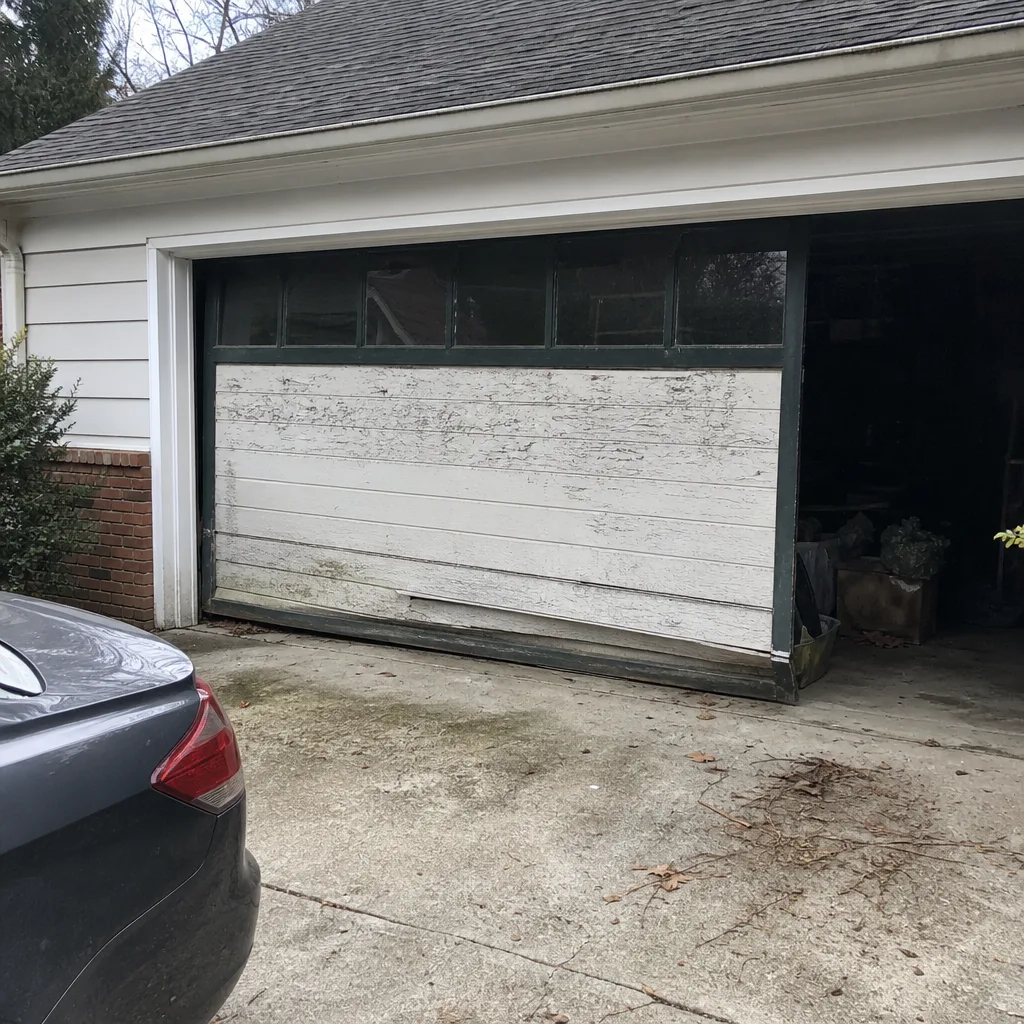
See the difference
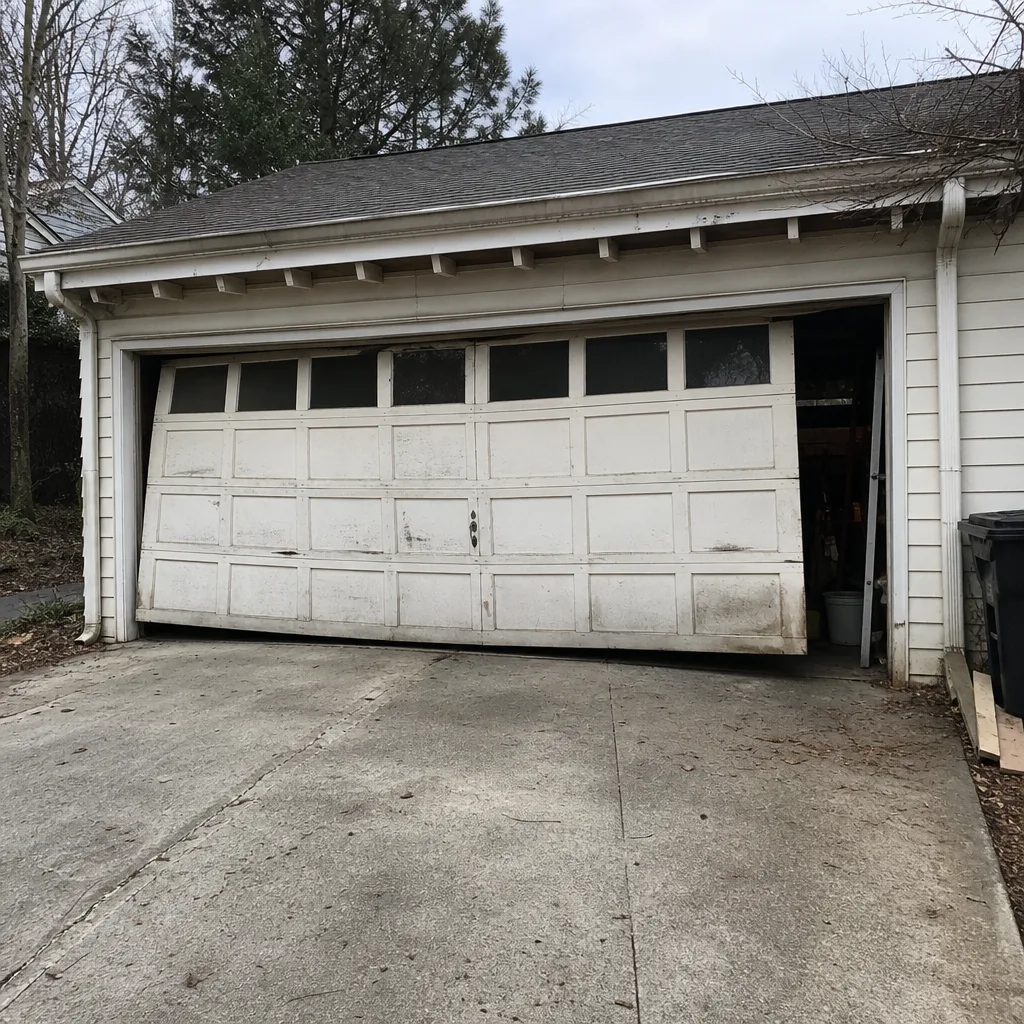 Before
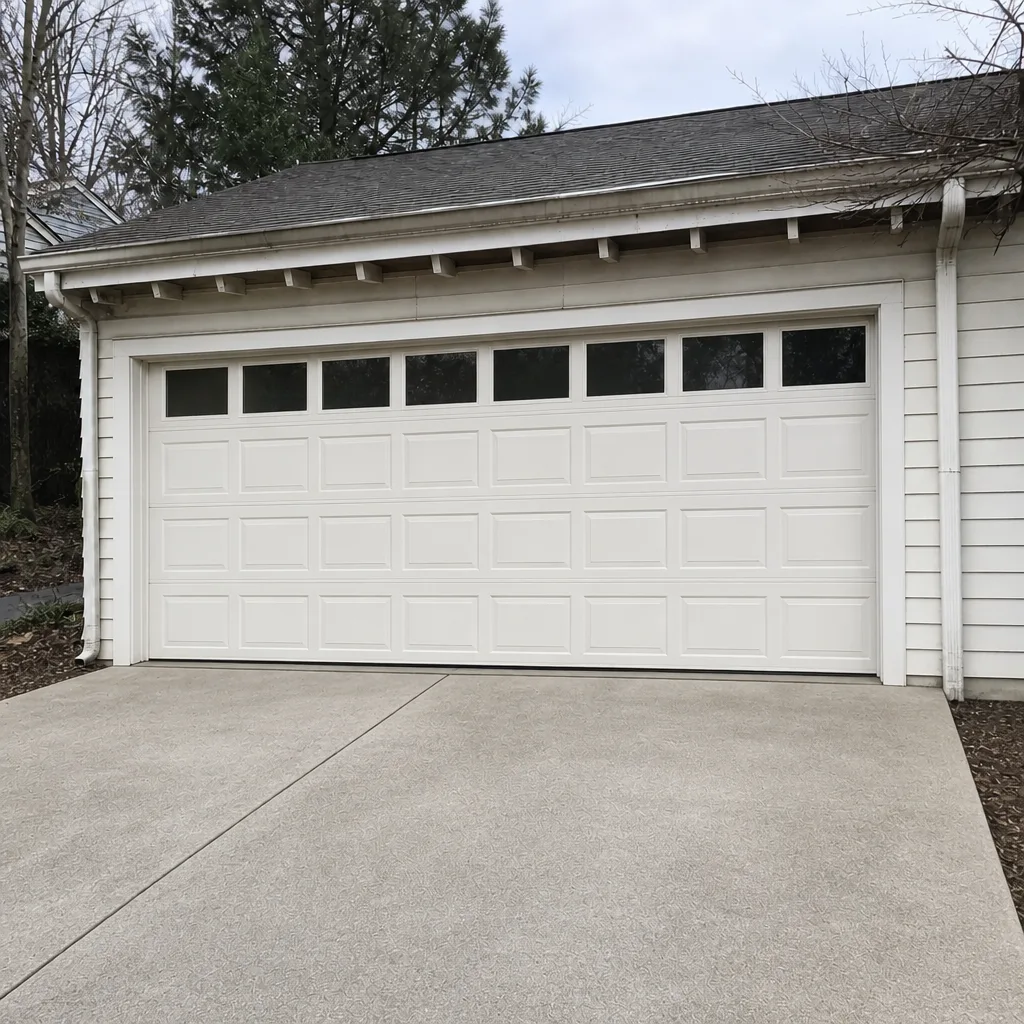 After
 Before
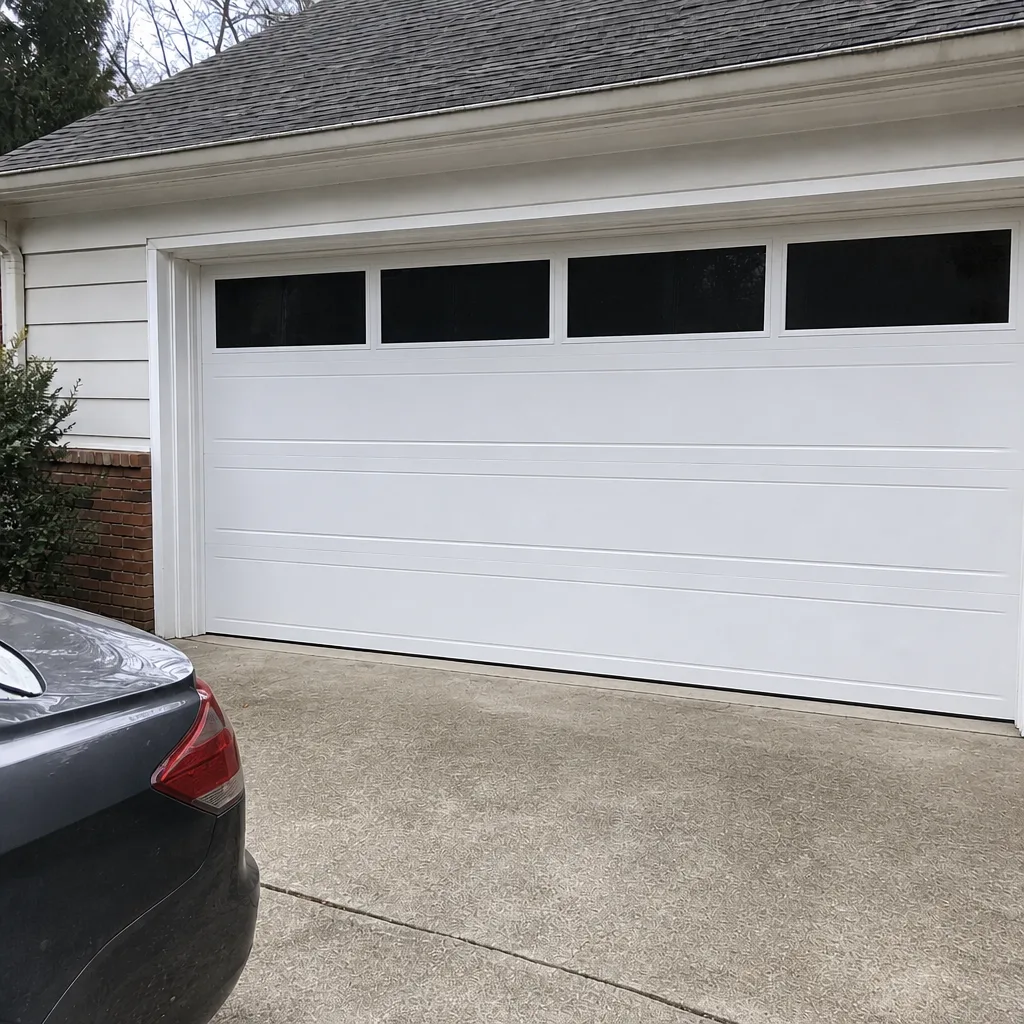 After
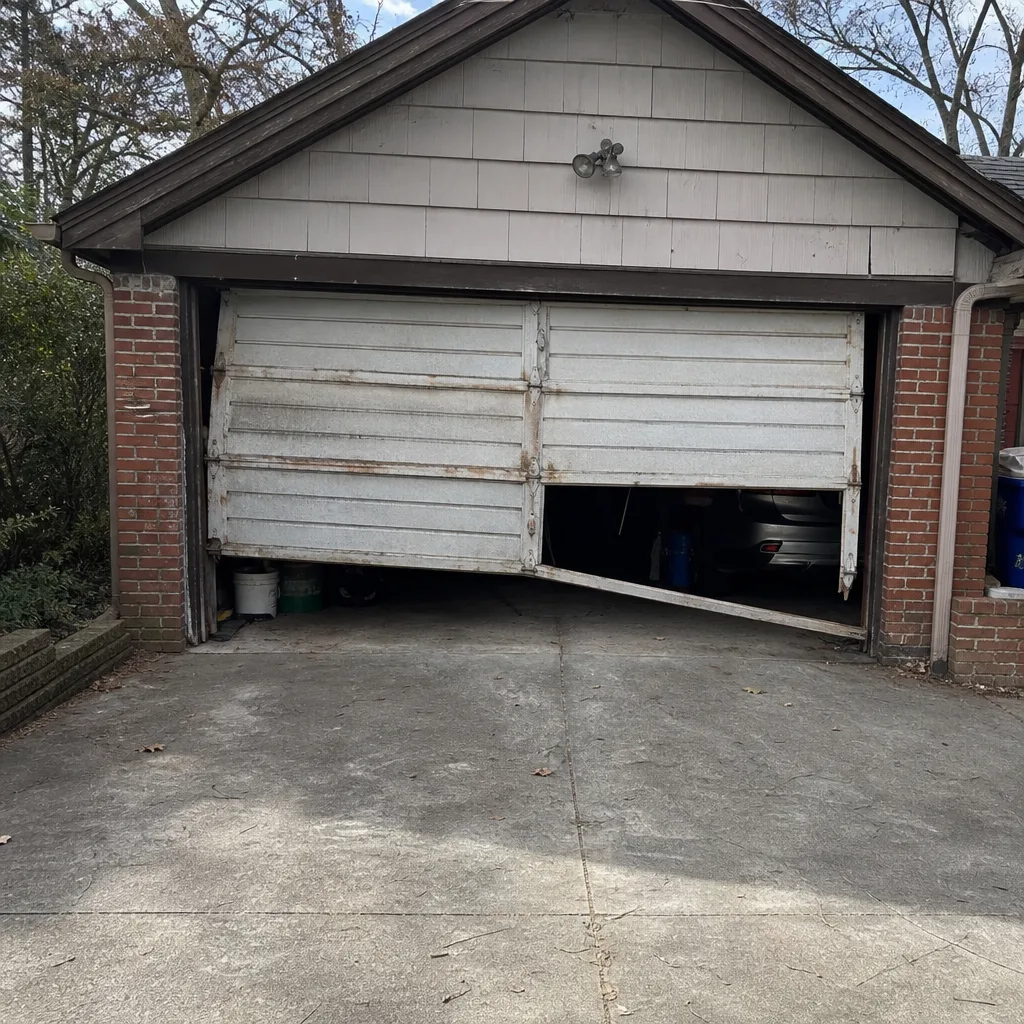 Before
 After
When to Call a Professional
Call a specialist when the door won’t move, when a spring has snapped, when the opener runs but the door doesn’t, or when you’re planning a replacement and don’t yet know whether your address requires review. Springs and cables are under extreme tension and are not a homeowner repair; a trained technician with the right winding bars handles them safely, and the risk of doing it yourself isn’t worth any savings. Call us too if you’ve inherited unpermitted work and want a straight assessment of what the city will likely require to approve it. Garage Door Repair Virginia-Highland offers free estimates in Virginia-Highland. Call (866) 937-7146.
Frequently Asked Questions
It depends on scope and address. A same-size replacement on existing hardware in a non-overlay area is often exempt, while any change to the opening, framing, or door size usually requires a permit. If your property sits in an Atlanta historic or conservation overlay, design review runs in addition to the building permit. Call the city’s building department with your address and door spec for a definitive answer, and call (866) 937-7146 if you’d like us to walk through the scope with you first.
We’re closed Saturday. We’re open Sunday through Friday, 7am to 7pm, so a door that fails on Saturday can be booked for Sunday when you call. If the door is stuck open and your home isn’t secure, call and we’ll get you on the schedule for the next available day we’re open. Estimates are free.
An inspection checks attachment points and hardware anchoring, spring balance and load ratings, opener safety reversal, photoelectric safety eyes, the emergency release, and that the installed door matches the approved permit scope. Failures are usually correctable in a single service visit. If you want a pre-inspection look at your door, call (866) 937-7146.
Yes, Atlanta has a process for it. You pull the permit history, request an inspection of existing conditions, correct anything that fails current code, and file for retroactive approval with the documentation the city requires. The cost depends on what the inspection finds. Call (866) 937-7146 for an assessment of what’s likely to come up.
Brand matters less than profile. A Clopay or Amarr door in a panel style consistent with your block’s architecture will pass review as readily as any other brand. What draws comments is a door that looks out of place for the house. Bring photos of doors already on your street to the review and the conversation gets much shorter.
No, not once we’ve measured and quoted. We give you an itemized written estimate and agree it with you before any work starts, and that written quote is the price. If an inspection turns up something outside the original scope, we tell you before we touch it and quote the additional work separately. Call (866) 937-7146 for a free estimate.
The Bottom Line
In Virginia-Highland, the permit question comes down to three things: what you’re changing, where your address sits relative to Atlanta’s historic overlays, and whether the work was done before or after you bought the house. Repairs almost never need a permit. Replacements sometimes do, and overlay review can add weeks before a door is ordered. Get the address checked first, choose a door profile that fits your block, and have the contractor manage the submittal. Our technicians have up to 15 years of experience with the brands you already own, and we handle the paperwork side of a permitted install as part of the job. Garage doors are all we do, whether it’s a spring at 7am or a full replacement with review attached.
For a free estimate on repair, opener work, or a permitted replacement in Virginia-Highland, call (866) 937-7146. We’ll measure the opening, confirm what the city requires for your address, and give you a written price before anything starts. If it’s a repair, one call usually covers it. If it’s a replacement, we’ll tell you honestly what the review timeline looks like so nothing catches you by surprise.
Written by the team at Garage Door Repair Virginia-Highland.