Last updated November 23, 2026
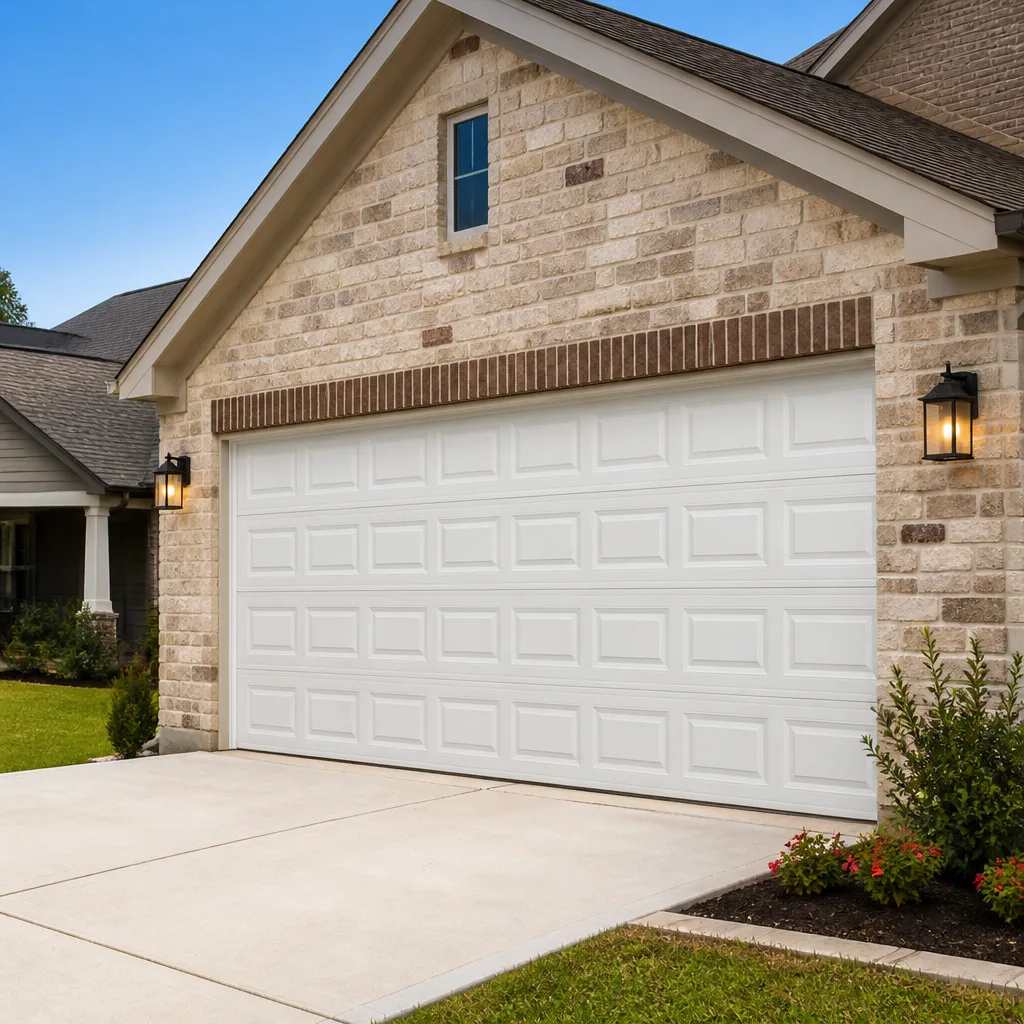 Raised-panel steel
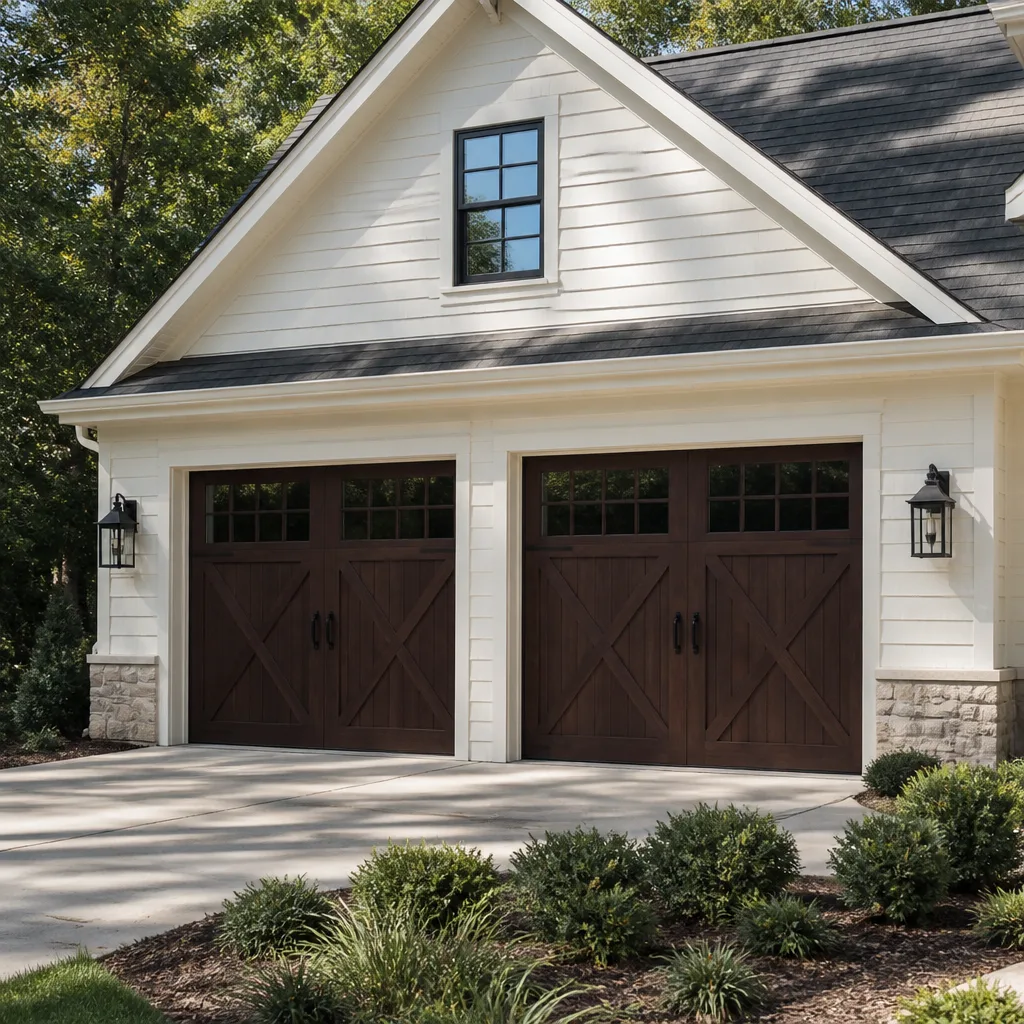 Carriage house
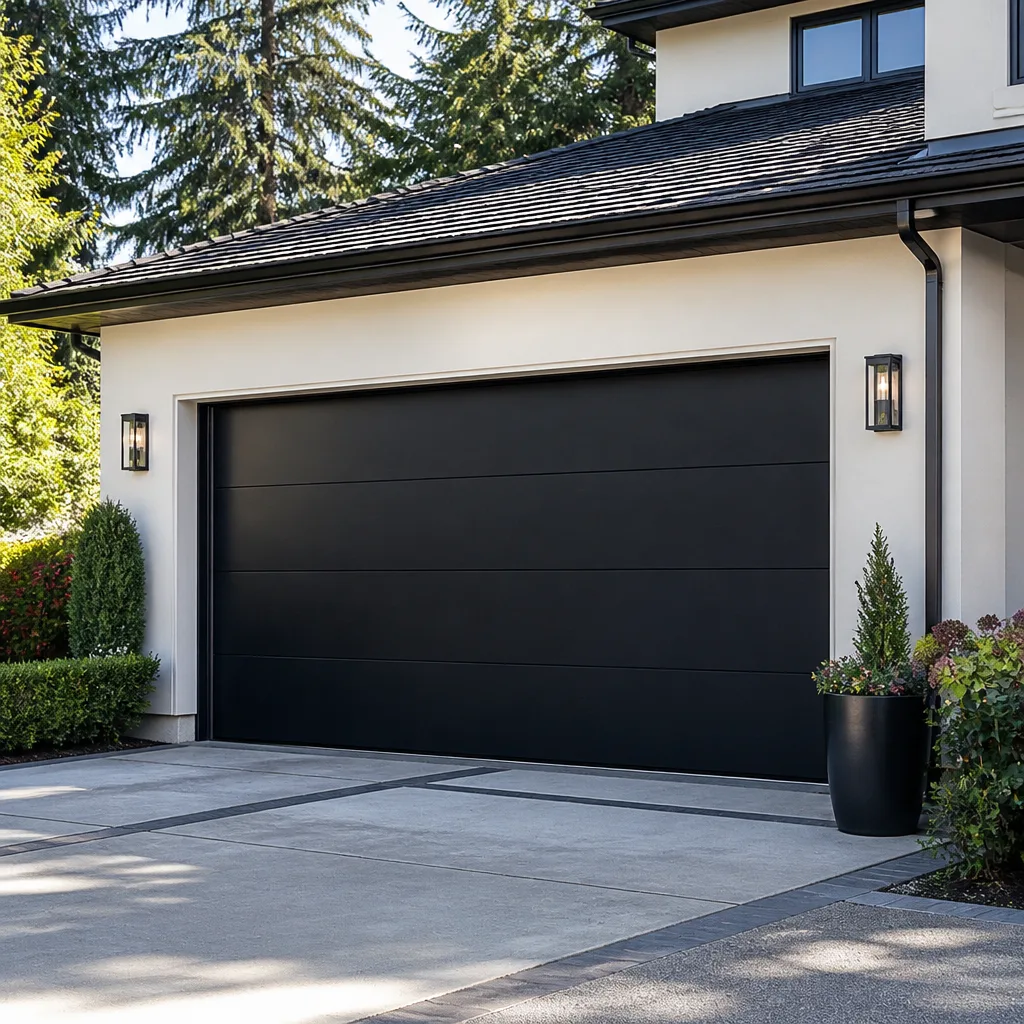 Modern flush
 Full-view glass
 LiftMaster openers
 Chamberlain openers
Full 25-point door and opener safety check with every visit - springs, cables, rollers, tracks, and your LiftMaster or Chamberlain opener included
You get a price before we start. It does not change when the pro arrives.
Get your free estimateGarage Door Repair Maintenance Checklist for Virginia-Highland Homeowners
Most garage door maintenance advice you’ll find online starts with lubrication. That’s fine as far as it goes, but it’s not where the real trouble starts in Virginia-Highland. The task homeowners here skip most often is clearing the debris channel that forms under detached garage doors, where tree roots have slowly shifted the concrete slab and opened a gap that collects leaves, grit, and seed pods all year. That channel holds moisture against the bottom seal and the steel tracks, and it’s the quiet beginning of problems that show up months later. This guide walks through a maintenance checklist calibrated to what actually fails here: heat, humidity, heavy tree canopy, and hardware on older doors that may not match today’s standard gauges.
Quick Answer
A workable garage door maintenance routine in Virginia-Highland means checking the debris channel and bottom seal monthly, testing the safety reverse and lubricating moving parts quarterly, and inspecting springs, cables, rollers, and hinges annually. The tasks that prevent the most expensive repairs are balance and spring inspection, safety reverse testing, and keeping the bottom seal clear of debris. Cosmetic cleaning and paint touch-ups are worth doing, but they don’t protect you from a snapped spring or a door that fails to reverse.
Styles & brands we work with
- Raised-panel steel
- Carriage house
- Modern flush
- Full-view glass
- LiftMaster openers
- Chamberlain openers
Table of Contents
- Monthly Tasks for Virginia-Highland Doors
- Quarterly Checks: Safety, Hardware, and Lubrication
- The Annual Inspection: Springs, Cables, and Rollers
- Seasonal Breakdown: What Each Virginia-Highland Season Brings
- Inspecting Older Hardware and Non-Standard Springs
- Weather Seals, Uneven Concrete, and Detached Garages
- Rust, Wood Rot, and Atlanta Humidity
- Which Tasks Actually Prevent Expensive Repairs
Monthly Tasks for Virginia-Highland Doors
Monthly maintenance is about catching small changes before they compound. In Virginia-Highland, the tree canopy is dense enough that debris accumulates faster than in newer subdivisions with young landscaping. A five-minute monthly walk-around covers the essentials.
- Clear the debris channel. Sweep or vacuum the channel that forms under the door where the slab has shifted. Remove leaves, grit, and seed pods before they compact into the bottom seal.
- Look at the bottom seal. Run a hand along the rubber seal and check for gaps, tears, or sections that have hardened. A seal that’s flat against the floor is holding; one that curls or shows light underneath is not.
- Listen to the door. Open and close it slowly. Rumbling, grinding, or a rhythmic squeak points to a roller, hinge, or track issue that’s cheaper to fix now than later.
- Check the photo-eye alignment. The small sensors near the floor should have a steady indicator light on both sides. A blinking light means something is blocking the beam or one sensor has drifted.
- Confirm the door sits flush. With the door closed, check that the bottom edge meets the floor evenly. A visible gap at one corner usually means the seal is worn or a hinge is loose.
None of this requires tools. The point is to build a habit of looking, because the failures that cost the most in Virginia-Highland homes start as small things: a seal pulling loose, a roller wearing flat, a track collecting grit. If something looks off and you’d rather not investigate yourself, a professional garage door repair visit is the fastest way to confirm whether it’s cosmetic or structural.
Quarterly Checks: Safety, Hardware, and Lubrication
Every three months, step up the inspection to include the safety systems and the moving parts. This is the layer of maintenance that protects people and prevents mid-cycle failures.
Test the safety reverse
Place a piece of wood or a brick flat on the floor in the door’s path and close the door. It should reverse on contact with the object. Then test the photo-eye system by waving an object through the beam while the door is closing. The door should reverse. If either test fails, stop using the automatic opener until it’s corrected – this is a genuine safety function, not a convenience.
Lubricate the moving parts
Apply a garage-door-specific lubricant to the rollers, hinges, and the torsion spring coils, and to the opener’s rail if it’s a chain or screw drive. Avoid heavy grease that attracts grit. In Virginia-Highland’s humidity, the right lubricant also helps slow surface rust on the hardware. Wipe away excess so dust doesn’t adhere.
Tighten and inspect the hardware
- Check the hinge bolts and roller brackets for looseness – vibration from daily use loosens them over time.
- Look at the cables on both sides for fraying, kinks, or slack. Never touch a cable under tension; if it looks wrong, stop and call.
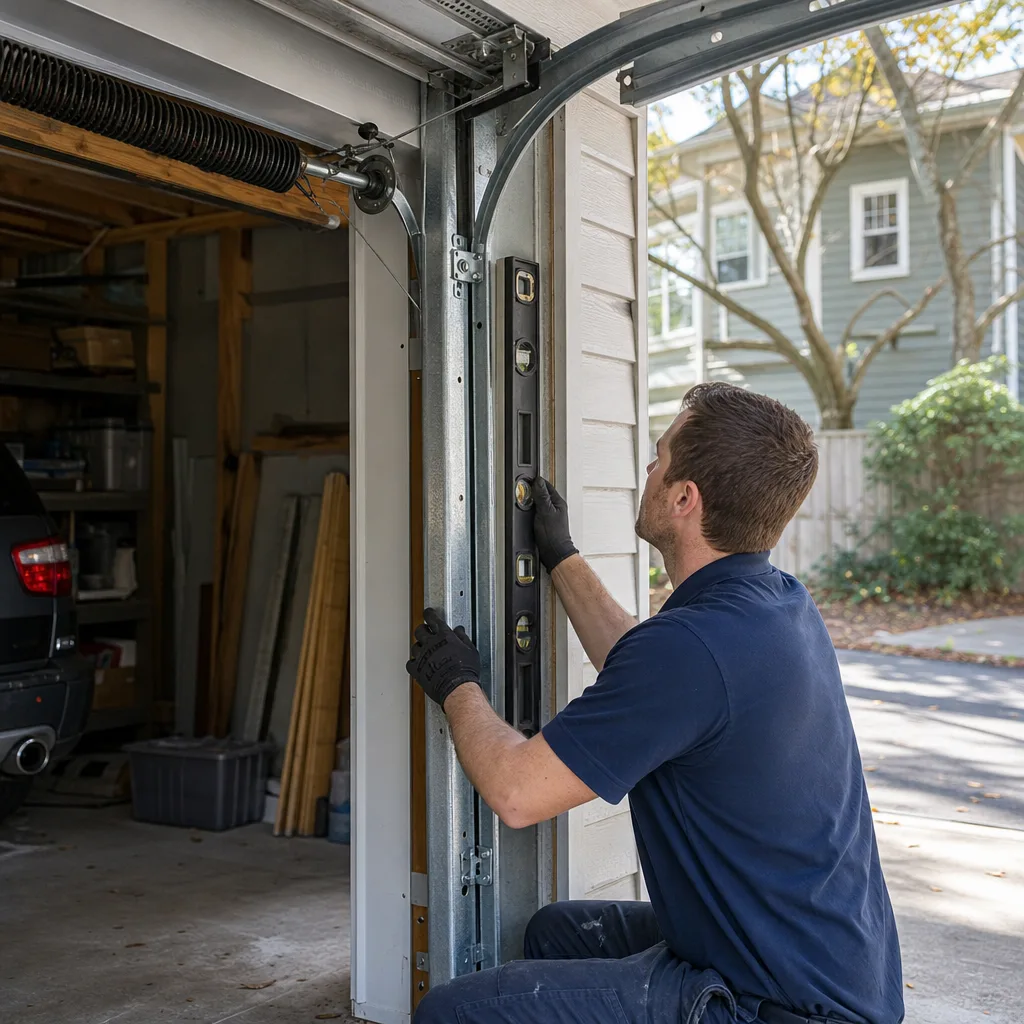
- Inspect the track for bends, debris, and alignment. Tracks should be plumb and parallel, with no kinks.
- Check the opener’s wall-mounted controls and remote for responsiveness. Intermittent operation often points to a failing logic board or a dying battery in the remote.
If the opener is the weak link – the door moves fine but the opener hesitates, reverses randomly, or the remote drops out – that’s a job for a focused round of garage door opener repair. We work on the brand you already have, including LiftMaster, Chamberlain, Genie, and Craftsman, so you don’t have to replace a unit that just needs a sensor or board.
The Annual Inspection: Springs, Cables, and Rollers
The annual inspection is where you catch the failures that cost the most. Springs, cables, and rollers are the load-bearing and load-bearing-adjacent parts of the system, and their condition determines whether you get years of service or a sudden failure.
Balance test
Disconnect the opener (pull the release cord) and lift the door to about waist height. It should stay there on its own. If it drifts down or slams up, the springs are out of balance or worn. A balanced door feels light and stays put. This single test tells you more about spring health than any visual inspection.
Spring inspection
Look at the torsion spring above the door for visible gaps, thinning coils, or a stretched section. Torsion springs are under high tension and a visual check is as far as any homeowner should go. Do not attempt to adjust, wind, or replace a spring yourself – the stored energy is enough to cause serious injury, and this is precisely the kind of job where a trained technician matters. We treat spring repair as its own specialty for that reason.
Cable and roller inspection
- Cables should be straight, evenly wound, and free of frayed strands. A frayed cable is a failure waiting to happen.
- Rollers should spin freely with no flat spots. Nylon rollers tend to be quieter; steel rollers can develop flat spots and rumble.
- Check the hinges at each panel joint for wear. Worn hinges cause the door to sag and the panels to misalign.
- Look at the bottom brackets and the center bearing plate for looseness or rust.
If the annual inspection turns up a door that’s simply beyond economic repair, a full garage door installation may be the more sensible path. That’s a scheduled, measured job – we’d come out for a free measure and a written price, not a same-day fix.
Seasonal Breakdown: What Each Virginia-Highland Season Brings
Virginia-Highland’s climate creates four distinct maintenance windows, and the right task at the wrong time is wasted effort. Here’s how the seasons map to your checklist.
Spring
Pollen and seed pods from the tree canopy drop into the debris channel and along the tracks. Clear the channel more often in spring, and rinse the tracks with a mild solution to remove pollen film. Check the bottom seal for the grit that collects during this season. Spring is also a good time for the first full lubrication of the year.
Summer heat
Heat causes rubber seals to harden and crack, and it stresses lubricant films. Check the bottom seal monthly in summer and reapply lubricant to high-friction points. The garage interior gets hot enough that a marginal seal will fail in summer before it fails any other season. If your garage door faces west or south, expect faster seal wear.
Fall
Leaves are the big story in Virginia-Highland, and a wet leaf mat against the bottom seal holds moisture that promotes rust on the bottom brackets and hinges. Clear the channel frequently in fall, and check the wood at the bottom of older doors – especially on detached garages – for soft spots that signal rot.
Winter cold snaps
Atlanta’s occasional hard freezes stiffen lubricant and make metal brittle. A door that runs fine most of the year can bind on a cold morning. Check that the opener still reverses smoothly and that the seal is intact. This is also when a worn torsion spring is most likely to snap, so the balance test matters more in winter.
Inspecting Older Hardware and Non-Standard Springs
Virginia-Highland has a lot of older homes, and a good number of them have garage doors with original or semi-original hardware. Older doors often carry torsion springs that were made to a spec that isn’t standard today – different wire gauge, different coil count, different length. You can’t safely eyeball a match or assume a modern replacement spring will fit.
Here’s how a homeowner can inspect without overstepping:
- Note the spring type. Torsion springs mount on a shaft above the door; extension springs run along the sides. Know which you have before you call anyone.
- Look for paint markings or tags. Older springs sometimes carry a paint dab that coded the original spec. A photo helps a technician match the size.
- Measure nothing yourself. Don’t try to measure wire diameter or coil length by hand. Just photograph the spring and note what brand is on the door if a label survives.
- Watch for uneven panel wear. Non-standard hardware on an older door often shows up as panels that don’t sit flush or a door that hangs slightly to one side.
- Check the opener vintage. Older openers paired with a non-standard spring can mask balance problems. If the opener has been replaced but the springs haven’t, the balance test is urgent.
If your door is a Wayne Dalton, Raynor, or another older brand, that’s fine – we’re familiar with the major brands, and the door you already have is the one we diagnose. The point of inspecting older hardware is to know what you’re dealing with before you decide on repair versus replacement.
Weather Seals, Uneven Concrete, and Detached Garages
Detached garages in Virginia-Highland are especially prone to seal problems, and the reason is almost always the floor. Concrete slabs settle and shift over time, and tree roots near a detached garage can lift or drop a corner. When the floor is uneven, the bottom seal has to do more work than it was designed for, and it wears out faster.
What to check:
- The gap test. Close the door and look at the floor line from outside. A visible gap at one end means the seal or the floor is the problem, and a standard seal won’t close it.
- Seal material. Rubber seals handle uneven floors better than vinyl. If your existing seal is hard and flat, it’s past its useful life.
- Thresholds and side seals. Check the side jambs and the header seal for gaps that let in water and pests. After a hard rain, look for damp spots inside the garage near the door.
- Track alignment after settling. A slab shift can throw the bottom of the track out of plumb. Listen for a scrape at the bottom of the door’s travel.
A worn seal is a cheap fix; a shifted track is a technician job. When the floor itself is working against the seal, the right answer is usually a thicker seal or a threshold built to bridge the gap, and that’s a decision worth making with someone who’s seen the same pattern on other Virginia-Highland detached garages.
Rust, Wood Rot, and Atlanta Humidity
Atlanta’s humidity is the quiet driver of a lot of Virginia-Highland garage door problems. Moisture in the air doesn’t just dull paint – it works its way into every steel fastener, hinge, and bracket on the door, and into the wood frame of older garages.
Where rust starts
- Bottom brackets and hinges, where moisture collects against the debris mat.
- Roller axles and hinge pins, which are hard to see until they start squealing.
- The bottom of the door panels, especially if the seal is worn and rain splashes up under the door.
Where wood rot starts
- The bottom of the door frame and the jamb, where water standing on the floor is absorbed repeatedly.
- The header above the door, where a failing seal lets water track down and in.
- Anywhere a leaf mat holds moisture against the wood on a detached garage.
Annual inspection should include pressing a screwdriver handle (not the blade) against suspect wood to feel for softness, and a visual scan for rust streaks on steel. Catching rot and rust early is the whole point – a soft jamb or a rusted bottom bracket is fixable, but rot that spreads into the framing or rust that seizes a hinge turns a small job into a larger one.
Which Tasks Actually Prevent Expensive Repairs
Not every checklist item is equal. Some tasks genuinely head off the biggest costs, and others are mostly precautionary. Here’s the honest ranking.
High-value tasks (do these)
- Balance test every quarter. Catches a worn spring before it snaps, which is the single most expensive common repair.
- Safety reverse test every quarter. Protects people and pets, and a failing reverse system is a genuine safety hazard.
- Bottom seal and debris channel care every month. Prevents rust, rot, and water intrusion – the slow damage that’s expensive to undo.
- Roller and hinge lubrication every quarter. Extends the life of parts and prevents the noise and wear that precede failures.
- Annual cable inspection. A frayed cable is a safety issue and a sign of deeper wear.
Lower-value tasks (do them, but know what they’re for)
- Painting and cosmetic touch-ups. Protects wood and steel from moisture, but won’t prevent mechanical failure.
- Track wiping. Keeps things clean and quiet, though a slightly dusty track won’t fail on its own.
- Opener remote battery changes. Convenience, not safety.
The takeaway: the tasks that prevent expensive repairs are almost all about the moving, load-bearing parts and the moisture barrier at the floor. If you only do five things a year, do the balance test, the safety reverse test, a cable check, a seal check, and a debris-channel clearing. Everything else is maintenance hygiene.
Common Mistakes to Avoid
- Greasing the tracks. Tracks should be clean and dry, not lubricated. Grease attracts grit that packs into the rollers and causes more wear than it prevents, and in Virginia-Highland’s pollen season it turns into a grinding paste quickly.
- Ignoring the debris channel under a detached garage. It’s the most skipped task here, and it’s the one that quietly rots the bottom of doors and seals on older Virginia-Highland properties.
- DIY spring adjustment. Torsion springs store enough energy to seriously injure you. Never attempt to wind, unwind, or replace one; this is exactly the job that calls for trained hands.
- Skipping the balance test. Homeowners often assume a door “feels fine” without testing it. A door that doesn’t stay put at waist height is telling you the springs are worn, whether or not the door still opens.
- Overtightening bolts on older hardware. Older hinges and brackets can crack when cranked down. Snug is enough – if a bolt keeps loosening, that’s a sign of a worn part, not a need for more force.
- Replacing the opener to fix a door problem. A door that binds or reverses randomly often has a spring or track problem, not an opener problem. Diagnose the door before spending on a new opener.
- Ignoring a failing seal through fall. Wet leaves held against a worn seal are the fastest route to rot in Atlanta’s humidity. Clear the mat and check the seal after every heavy leaf drop.
See the difference
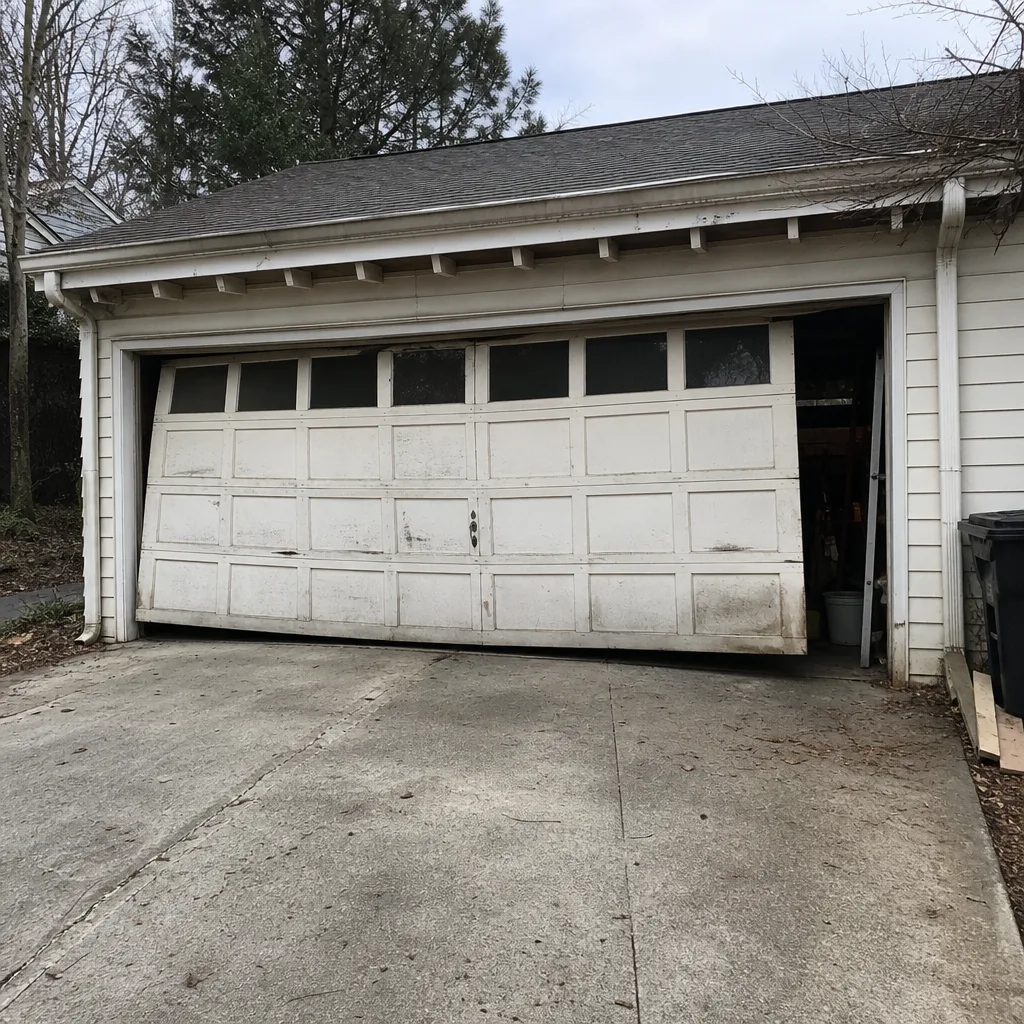 Before
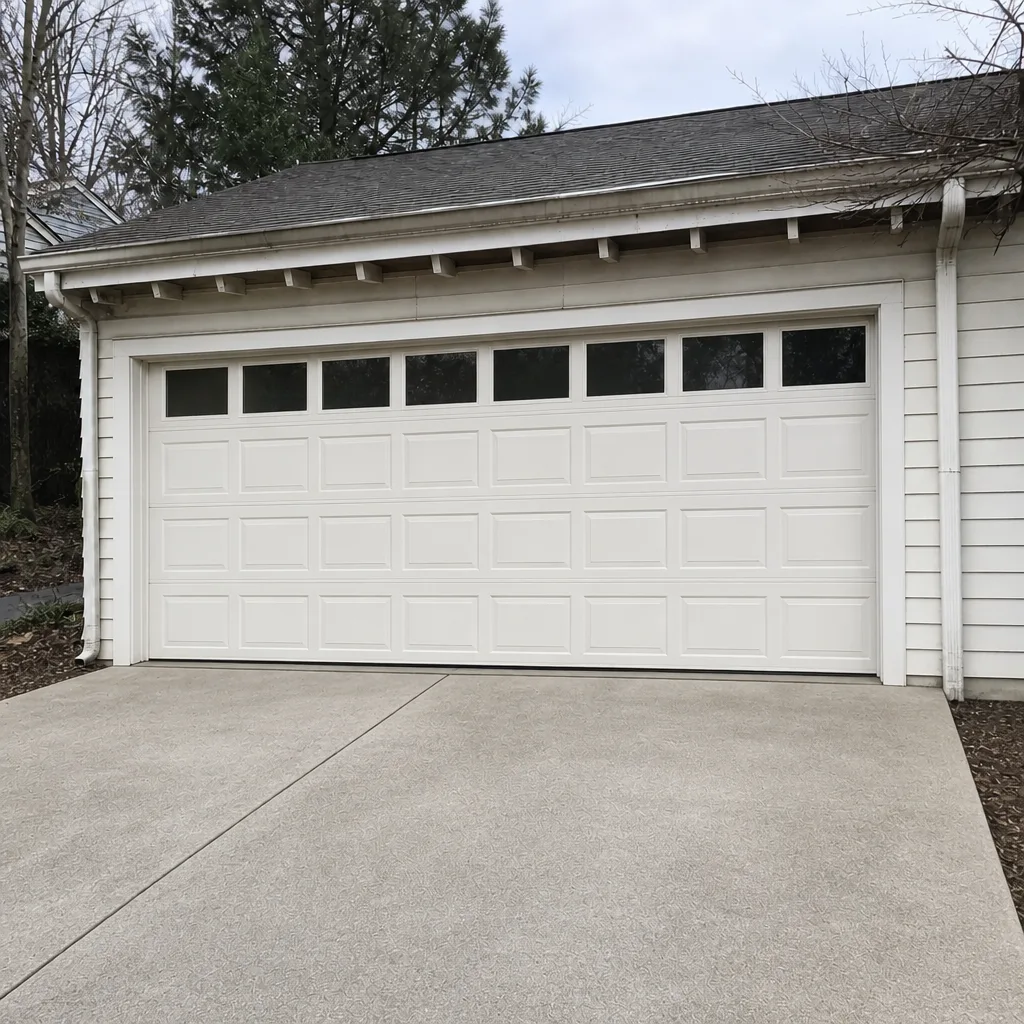 After
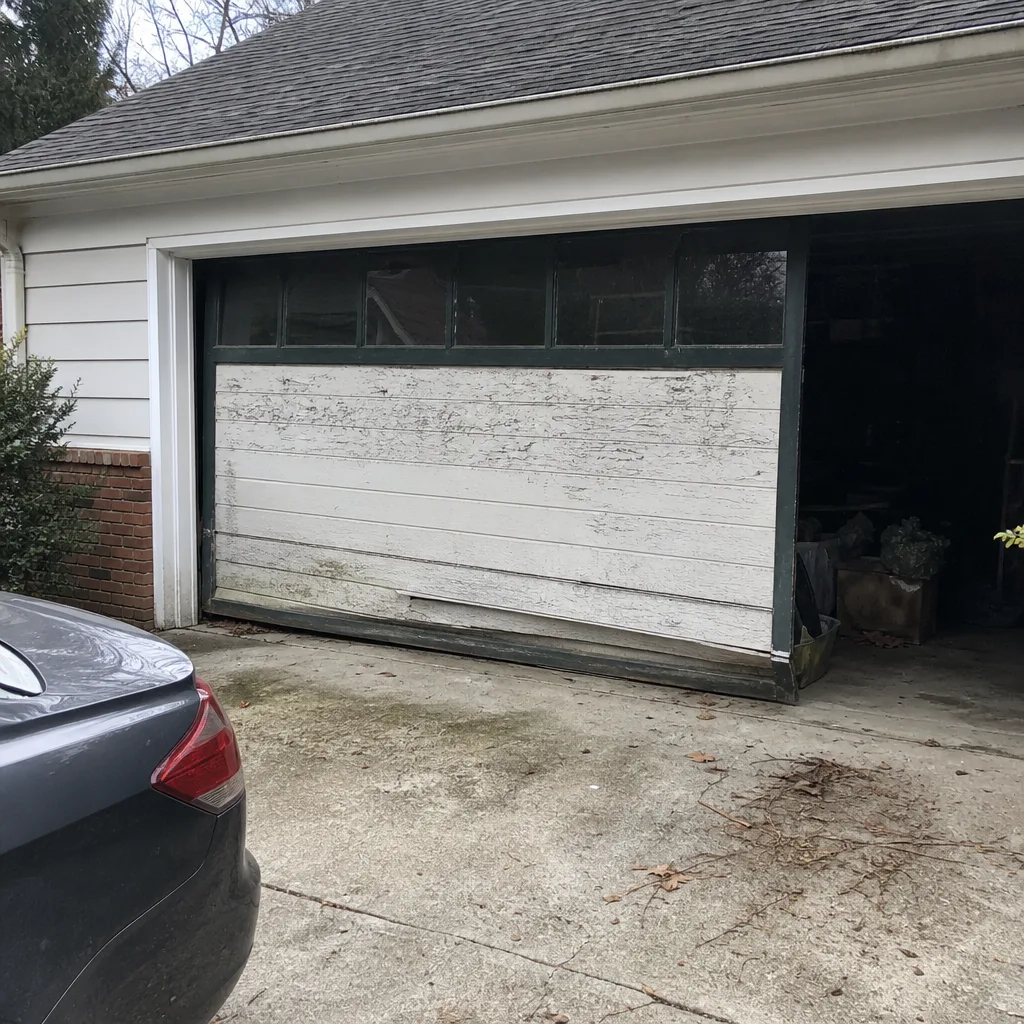 Before
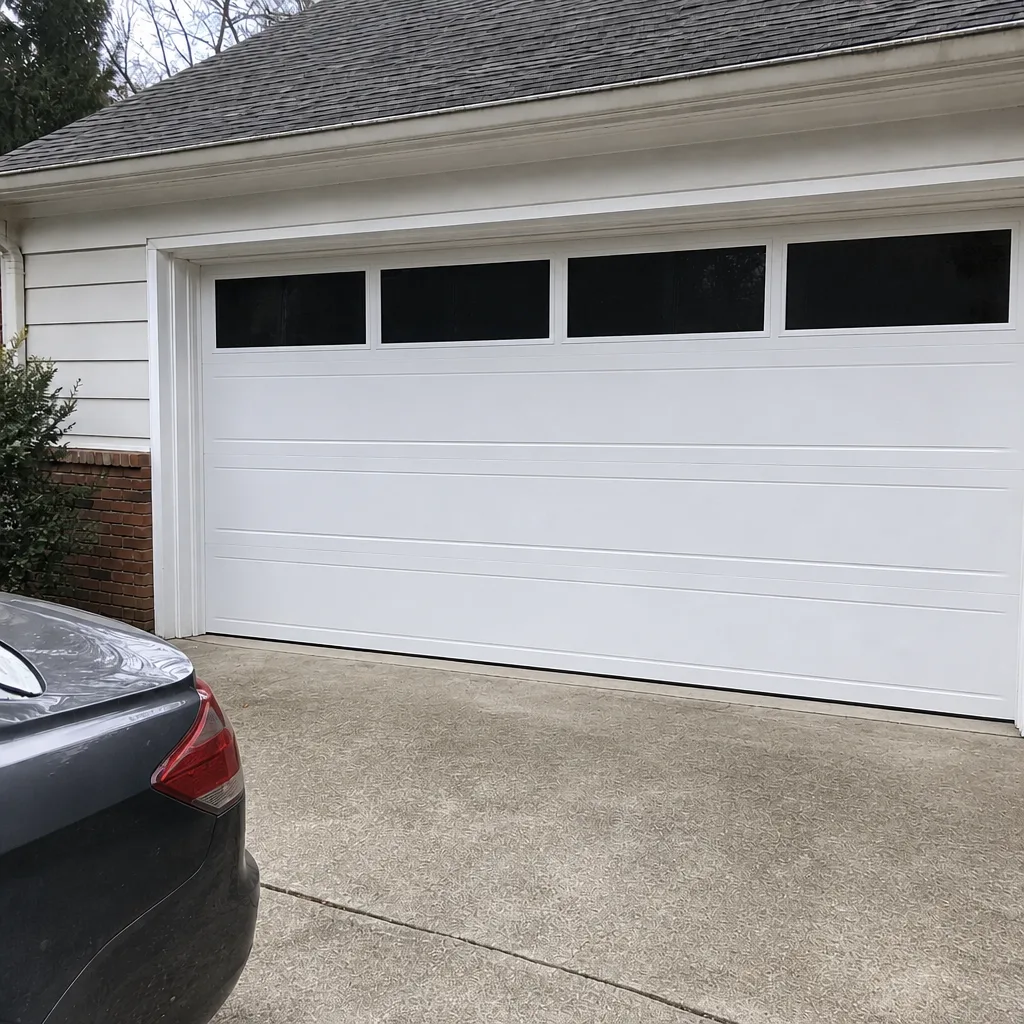 After
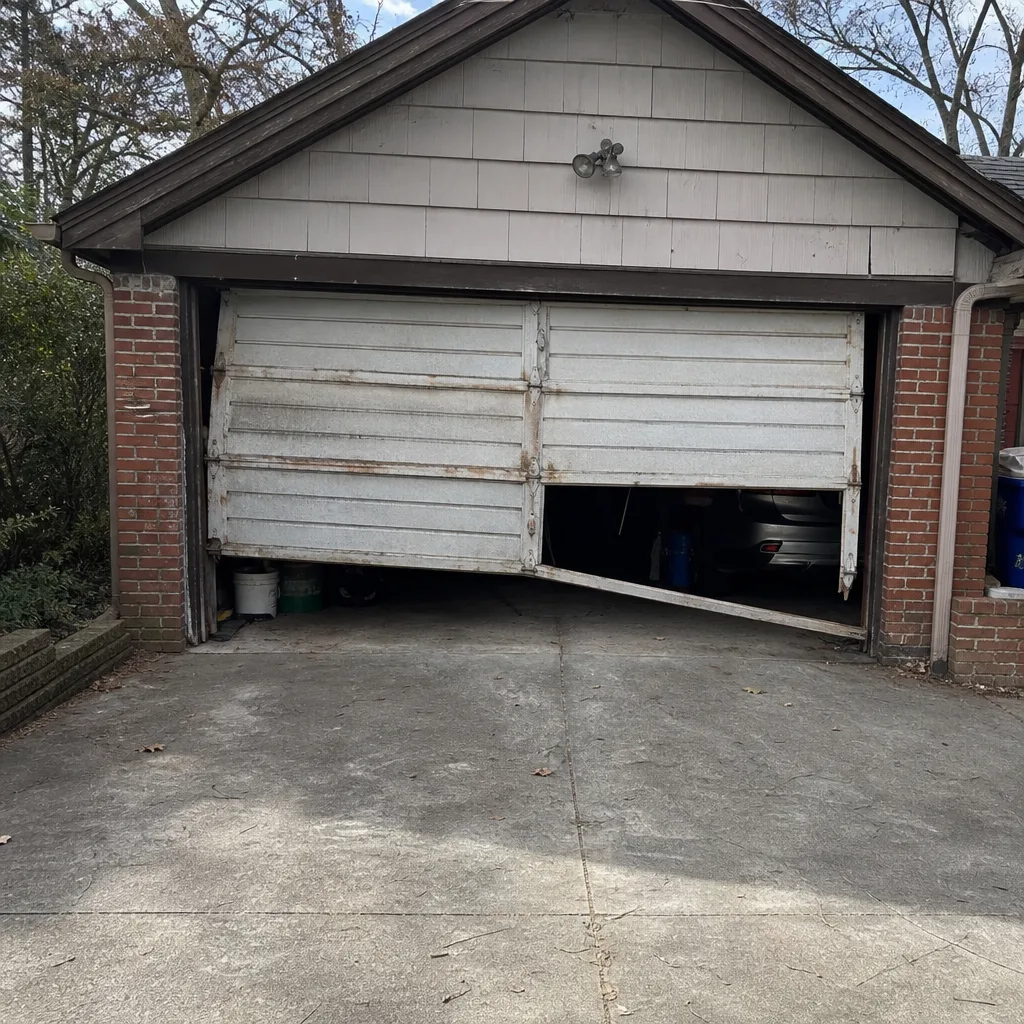 Before
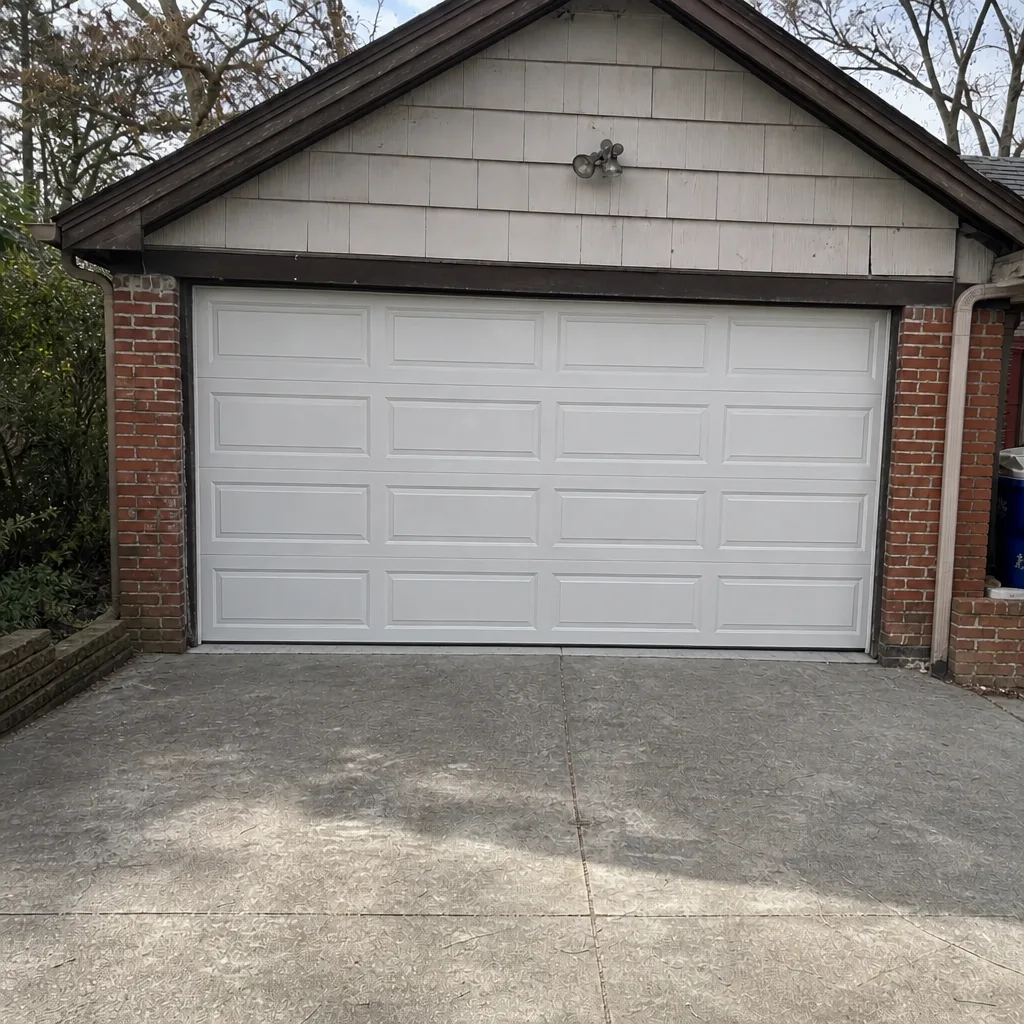 After
When to Call a Professional
Some maintenance is genuinely within reach for any homeowner: clearing debris, testing the safety reverse, listening for new noises, and checking seals. But a handful of situations call for a trained technician, and trying to handle them yourself can be dangerous or costly.
Call a professional if the balance test shows the door won’t hold position, if you see a gap, kink, or fray in a cable, if a torsion spring shows visible wear or has snapped, if the door binds, sags, or comes off the track, or if the opener reverses randomly and the safety systems test clean. Those are the cases where a proper diagnosis saves money and avoids injury. Spring failure is a safety issue, not just an inconvenience, and it’s the one repair we’d never suggest a homeowner attempt. Garage Door Repair Virginia-Highland offers free estimates in Virginia-Highland – call (866) 937-7146 to set one up.
Frequently Asked Questions
Monthly for the debris channel and bottom seal, quarterly for the safety reverse test and lubrication, and annually for a full inspection of springs, cables, and rollers. Virginia-Highland’s tree canopy and humidity push some tasks – like clearing the debris channel and checking seals – to a higher frequency than in drier climates. The annual spring and cable inspection is the one you shouldn’t skip.
The balance test. Lifting a disconnected door to waist height and confirming it stays there tells you whether the springs are healthy. A worn spring is the most expensive common failure, and the balance test catches it before it snaps. The safety reverse test is the close second, because it protects people and pets.
Yes – lubricating rollers, hinges, and the opener rail is a reasonable homeowner task with a garage-door-specific lubricant. Don’t lubricate the tracks, and never touch the springs or cables. If you’re unsure whether a part is safe to handle, leave it and call.
Tree roots shifting the concrete slab under detached garages is the most common reason here. When the floor is uneven, the bottom seal has to bridge a larger gap and wears out faster. Rubber seals handle an uneven floor better than vinyl, and in some cases a threshold is the better long-term fix.
Yes, mainly around the springs. Older doors in Virginia-Highland often carry torsion springs made to a non-standard gauge, so a replacement has to match the original spec rather than a modern standard size. A technician can photograph and match the spring; don’t try to measure or adjust it yourself.
Stop using the automatic opener and have the safety system checked. A door that fails the reverse test is a safety hazard, not a nuisance. In most cases the fix is a sensor adjustment or a logic board issue rather than a new opener, but it needs a proper diagnosis. Call (866) 937-7146 for a free estimate.
The Bottom Line
A garage door maintenance checklist only works if it’s tuned to your environment. In Virginia-Highland, that means monthly care for the debris channel and bottom seal, quarterly safety and lubrication checks, and an annual look at springs, cables, and rollers. Prioritize the balance test, the safety reverse test, and moisture control at the floor – those three prevent the costly failures. The rest is good hygiene. And for anything involving springs or cables, call a trained technician, because that’s not a DIY job. Our technicians have up to 15 years of experience, and garage doors are all we do. For a free estimate on repair, spring work, opener service, or a new door, call (866) 937-7146. You can also start at our Garage Door Repair Virginia-Highland home page to see the full range of services we cover.
Written by the team at Garage Door Repair Virginia-Highland.