Last updated November 23, 2026
 Raised-panel steel
 Carriage house
 Modern flush
 Full-view glass
 LiftMaster openers
 Chamberlain openers
Full 25-point door and opener safety check with every visit - springs, cables, rollers, tracks, and your LiftMaster or Chamberlain opener included
You get a price before we start. It does not change when the pro arrives.
Get your free estimateGarage Door Repair Maintenance Schedule: What to Do and When
Most garage door advice tells you to “maintain it twice a year” and leaves it there. That advice is why so many doors in Virginia-Highland end up over-lubricated in summer and neglected in the shoulder seasons when they actually need attention. Lubricating your springs in August in Atlanta is counterproductive – heat expansion means you’re adding slip to a component that’s already at its loosest tolerance. Timing matters as much as the task. A garage door doesn’t need monthly fussing. It needs the right four tasks at the right four points on the calendar, done in the right order. Here’s the schedule we recommend, and the reasons behind each step.
Quick Answer
A garage door needs four maintenance windows per year, matched to Atlanta’s seasons: a spring tune-up in early spring before heat sets in, a hardware and track inspection in summer when thermal expansion stresses the frame, a balance and safety-reverse test in fall as temperatures swing, and a full lubrication and weather-seal check in winter. Each window has a specific task sequence. Skip the order and you create the slip, rust, or misalignment you were trying to prevent.
Styles & brands we work with
- Raised-panel steel
- Carriage house
- Modern flush
- Full-view glass
- LiftMaster openers
- Chamberlain openers
Table of Contents
- The Four-Season Maintenance Map for Virginia-Highland
- The Correct Lubrication Sequence (and Why WD-40 Is Wrong Everywhere)
- How to Run a Balance Test and Force-Resistance Test at Home
- Maintenance Mistakes That Void Major-Brand Warranties
- What a Professional Tune-Up Catches That a Checklist Won’t
- Opener-Side Maintenance: What Your Motor Actually Needs
- Is Professional Maintenance Worth the Cost in Virginia-Highland?
The Four-Season Maintenance Map for Virginia-Highland
Virginia-Highland sits in a part of Atlanta where the temperature swing between a January morning and a July afternoon is wide enough to stress a garage door’s mechanical components more than most homeowners realize. The metal frame expands and contracts, the springs cycle through tighter and looser tolerance, and the wood or steel panels move with it. A single “twice a year” schedule misses that. Here’s how we break the year down, and why each window gets the task it does.
Early spring: pre-heat inspection and spring tension check
Before Atlanta’s heat settles in, the door is at its tightest tolerance. That’s the right moment to check spring tension and listen for the torsion bar or extension spring beginning to sound rough. If a spring is near the end of its cycle, early spring is when you want to catch it – not in August when a technician is booked solid. A garage door repair call in early spring that replaces a weakening spring is cheaper and safer than an emergency call in July.
Summer: hardware torque and track alignment
Heat expansion loosens bolts, widens track gaps, and makes rollers bind. Summer is when you torque the hinge bolts, check the roller carrier plates, and confirm the vertical tracks are plumb. This is the window where a door in a Virginia-Highland bungalow or a newer build near Atkins Park tends to start squealing on one side only.
Fall: balance and safety-reverse test
The temperature swings in October and November are the toughest on a door’s balance. A spring that tested fine in July can slacken enough by late fall that the door no longer holds at half-height. Run the balance test and the safety-reverse test in fall. These are the two tests that tell you whether the door is safe to operate unattended.
Winter: full lubrication and weather-seal check
Cold mornings stiffen lubricant and shrink the weather seal at the bottom of the door. Winter is the time to re-lubricate hinges and rollers with the right product and to check whether the bottom seal still meets the floor. A seal that has shrunk allows cold air and pests into the garage – a real problem in the older homes around Virginia-Highland where the garage often doubles as storage or a workshop.
The Correct Lubrication Sequence (and Why WD-40 Is Wrong Everywhere)
WD-40 is a solvent and a light penetrating oil, not a lubricant. It displaces water and frees stuck bolts, but it does not leave a lasting film. On a garage door it strips away the factory grease on hinges and rollers and leaves them drier than they started. We see this constantly on doors in Virginia-Highland where the previous owner “maintained” the door with a can of WD-40 every few months. The correct products are a white lithium grease for metal-to-metal contact points and a silicone-based spray for tracks and seals. If you use one product for everything, you’ll either gum up the tracks or dry out the hinges.
Here’s the sequence. Follow it in order. Doing it out of order – lubricating the tracks before cleaning them, for example – just pushes grit into the rollers.
- Clean first. Wipe down the tracks with a dry cloth and a light degreaser. Remove any accumulated dust, grit, and old grease.
- Springs. Apply a light coat of silicone spray to the torsion spring coils or the extension spring hook points. Do not use grease on springs – it attracts dust and cakes.
- Hinges. A drop of white lithium grease at each hinge pivot point. Work the hinge by hand so the grease penetrates.
- Rollers. A few drops of silicone or lithium on the roller bearings (not the track surface). If the rollers are nylon, skip the lubricant on the wheel itself and focus on the stem.
- Opener rail and chain (if chain-drive). A light application of rail lubricant. Belt-drive openers need none on the belt.
- Tracks last. A very light coat of silicone spray only on the inside of the vertical and horizontal tracks. Too much lubricant in a track collects grit and causes the door to bind.
The reason sequence matters is that most of these tasks interact. Greasing the hinges before cleaning the tracks leaves grit that works into the grease. Lubricating the rollers before checking that the tracks are aligned makes the roller run smoothly along a crooked path. Each step depends on the one before it.
How to Run a Balance Test and Force-Resistance Test at Home
You can do both tests with no tools and no ladder. Both are safe to run yourself if you use the manual release. If at any point the door feels unusually heavy or the spring makes a loud snap, stop. That’s a sign of a failed spring, and spring failure is a safety issue, not just an inconvenience.
The balance test
- Close the door.
- Pull the manual release cord to disconnect the opener. The door should move freely by hand.
- Raise the door to about waist height (halfway open).
- Let go. A properly balanced door holds in place or drifts only slightly. A door that drops fast or rises on its own is out of balance.
- Lower the door back down and re-engage the manual release.
If your door drops, the spring is under-tensioned or worn. If it rises on its own, the spring is over-tensioned. Either condition means the spring system needs adjustment or replacement. Do not attempt to adjust the spring yourself – torsion springs are under extreme tension and can cause serious injury.
The force-resistance (safety-reverse) test
- Open the door fully, then close it using the opener.
- As it comes down, place a 2×4 flat on the floor in the door’s path (or press upward on the door’s bottom edge with your hand).
- The door should reverse immediately and return to open. If it keeps pushing down, the opener’s force setting is wrong and needs adjustment.
- Repeat on the opening direction: place your hand on the door’s top edge as it opens and apply light resistance. The door should stop and reverse.
These two tests tell you the truth about the door’s safety, not just its function. A door that opens and closes without making noise can still fail a balance test or a force test, and that’s what makes them worth doing at every seasonal window.
Common Mistakes That Void Major-Brand Warranties
This is where we see the most expensive problems in Virginia-Highland, and it’s a topic most maintenance guides skip entirely. Major brands – Genie, Chamberlain, Clopay, and Amarr among them – all publish maintenance and installation requirements in their warranty documentation. Get them wrong and a repair claim that should be covered isn’t.
- Lubricating with the wrong product. Some installations explicitly prohibit grease on certain hinge types or on nylon rollers. Grease on those parts can void the hardware warranty because it damages the component rather than protecting it.
- Adjusting the tension spring yourself. Torsion spring adjustment is a specific exclusion in most warranties. A failed spring after a homeowner adjustment is not covered.
- Replacing hardware with aftermarket parts. Using non-OEM hinges, rollers, or cables on a branded door or opener can void the warranty on the surrounding assembly.
- Skipping the balance test through a professional service. Some Clopay and Amarr door warranties require annual inspection by a qualified technician as a condition of the hardware warranty. Ask the brand’s own documentation for the exact requirement – don’t take our word for it.
- Painting or refinishing without a warranty-compliant product. This is specific to steel and wood doors. The wrong paint can damage the finish warranty.
If you own a Genie, Chamberlain, Clopay, Amarr, Wayne Dalton, or similar branded door or opener, ask us for a copy of the warranty documentation at your next service. We can flag the specific exclusions that apply to your product before we start work.
What a Professional Tune-Up Catches That a Checklist Won’t
A homeowner checklist catches the obvious things: a noisy hinge, a squeaky roller, a track with a visible bend. A technician catches the things a checklist can’t. We’ve walked into a lot of garages in Virginia-Highland where the owner had “maintained” the door for years and the technician still found a list of problems on the first visit. Here’s what a professional tune-up typically surfaces:
- Spring cycle count. A technician can estimate how many cycles the spring has left by measuring coil wear and listening to the tone. A homeowner can’t.
- Cable wear at the drum. Cables fray at the point where they wind onto the drum. It’s not visible unless you know where to look and are comfortable working safely around a tensioned cable.
- Roller stem wear. The stem of a nylon roller wears inside the hinge carrier. It’s invisible from the outside and only shows up as a slight wobble when the door is loaded.
- Concrete anchor integrity. The bolts that hold the track to the garage floor and header loosen over time. A door that looks aligned from a distance can be a half-inch out at the anchor.
- Opener force-curve drift. The opener’s force setting drifts over months. A technician re-tests it with a gauge, not by feel.
- Impending spring failure. A trained ear can hear a spring that’s one or two months from failure. That’s the difference between a reset and a mid-week emergency.
If you’ve had a door-safety issue once – binding, reversing wrong, or a broken spring – a professional tune-up that we schedule before the door fails is worth more than the repair cost after it does. When a door won’t move, we move fast, and we can also book you for a garage door opener repair if the opener is the failing component.
Opener-Side Maintenance: What Your Motor Actually Needs
The opener is the most-overlooked part of the maintenance schedule because it’s the part that “just works.” Until it doesn’t. A chain-drive opener in Virginia-Highland will last years longer with two small maintenance steps done at the fall and winter windows.
Fall: check the chain and drive gear
On a chain-drive opener, the chain should have about a quarter inch of slack at the midpoint. Too tight and the drive gear wears fast. Too loose and the chain slaps the track. Give the chain a light coat of chain lubricant at the fall window. On a belt-drive opener, inspect the belt for glazing or cracks and confirm the tensioner is doing its job.
Winter: test the safety sensors and wall controls
The safety sensors at the bottom of the track can drift out of alignment from settling or from being brushed by a kid or a dog. Winter is the time to test them by placing an object in the beam and confirming the door reverses. Test the wall control and any remote at the same time. Low batteries and cold motors can mask a real fault.
Spring: opener force test
The opener’s force adjustment should be checked once a year. If the door has recently been serviced, the force setting on the opener needs re-testing. A technician does this with a specific gauge – a homeowner’s hand test is a rough proxy and can miss a force setting that’s dangerously high.
If you have an older Genie or Chamberlain opener, ask us about a preventative check. If the opener is the failing component, we can handle replacement through garage door installation without a second call.
Is Professional Maintenance Worth the Cost in Virginia-Highland?
For a door that’s under warranty, or a door with a torsion spring on it, yes. A professional tune-up catches what a homeowner can’t see, re-tests the safety systems with proper gauges, and re-lubricates with the right product at the right point in the schedule. For a door that’s older, out of warranty, and running well, a single annual tune-up is usually enough.
The honest framing is this: the maintenance tasks a homeowner can do safely – cleaning tracks, lubricating hinges and rollers with the right product, running the balance and safety tests, checking the weather seal – are worth doing yourself. The tasks that put you near a tensioned spring or a live opener circuit are worth a professional call. That’s the line. Do the safe tasks on schedule, and let a technician handle the spring, the cable, and the opener force testing. If you’re not sure which side of the line you’re on, call us and we’ll tell you honestly.
For a door that’s due for a scheduled tune-up, we can also advise on whether repair or replacement is the better answer. If the door is at the end of its life, we’ll tell you. If it just needs a spring and a lubricant reset, we’ll tell you that too. Every technician on our team works exclusively on garage doors and holds the multi-brand coverage to work on LiftMaster, Chamberlain, Genie, Clopay, Amarr, Wayne Dalton, Craftsman, and Raynor doors and openers. Our technicians have up to 15 years of experience.
Common Mistakes to Avoid
- Using WD-40 as a lubricant. It’s a solvent, not a grease. It strips the factory film from hinges and rollers and leaves them drier than they started. Use white lithium grease on hinges and silicone spray on tracks and springs.
- Lubricating the springs in summer. In Virginia-Highland’s summer heat, the springs are already at their loosest tolerance. Adding slip makes the door feel looser and can mask a spring that’s actually wearing out. Lubricate springs in the cooler months.
- Skipping the balance test because the door “still works.” A door can pass the eye test and fail the balance test. The balance test is what tells you whether the spring is nearing failure.
- Adjusting a torsion spring yourself. This is the single most dangerous task on a garage door. A tensioned spring can cause serious injury. Leave it to a trained technician.
- Greasing the tracks. A greased track collects grit from the outside air and works it into the rollers. Clean the tracks dry and use only a very light silicone film.
- Ignoring warranty requirements. Some Clopay and Amarr warranties require annual professional inspection. Skipping it can void the warranty on a door that’s still under coverage.
- Replacing hardware with aftermarket parts. Non-OEM hinges, rollers, and cables can void the warranty on a branded door. If you own a LiftMaster or Chamberlain opener, ask before you swap components.
See the difference
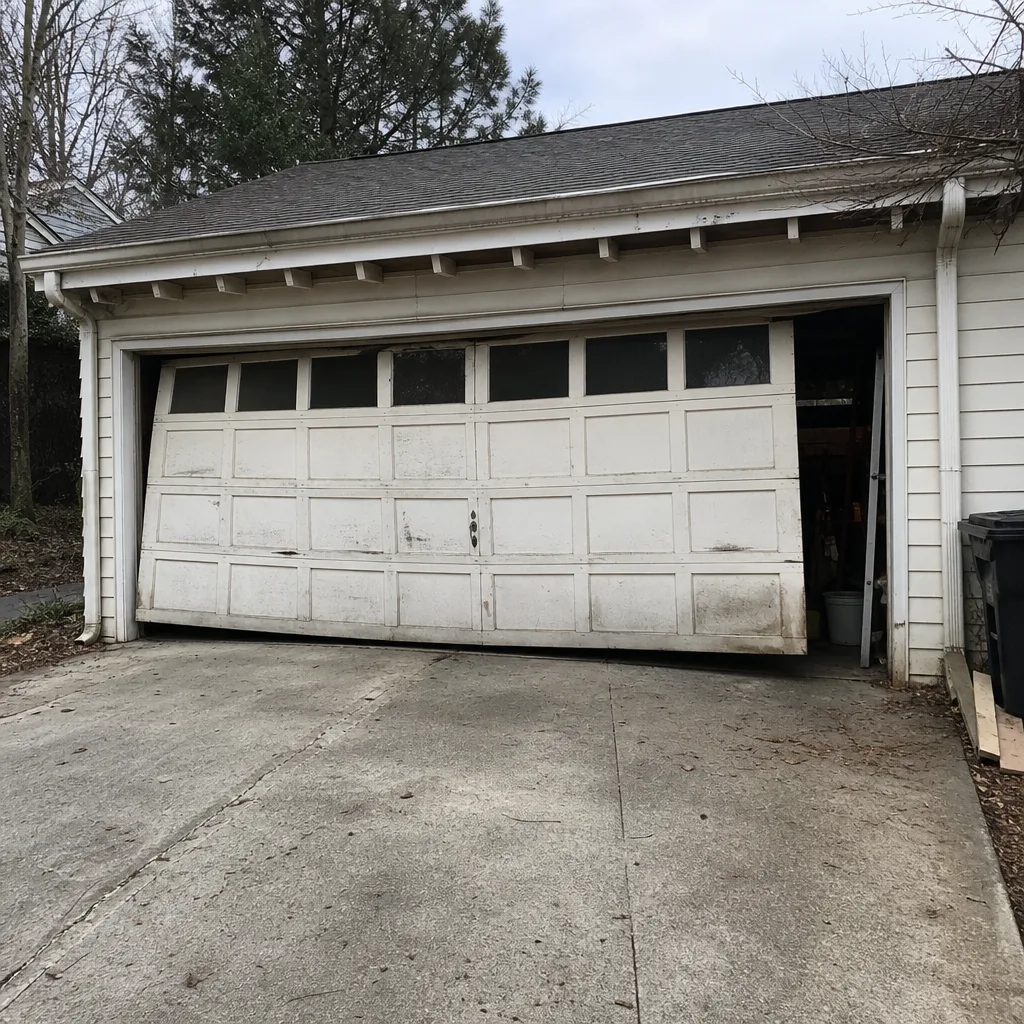 Before
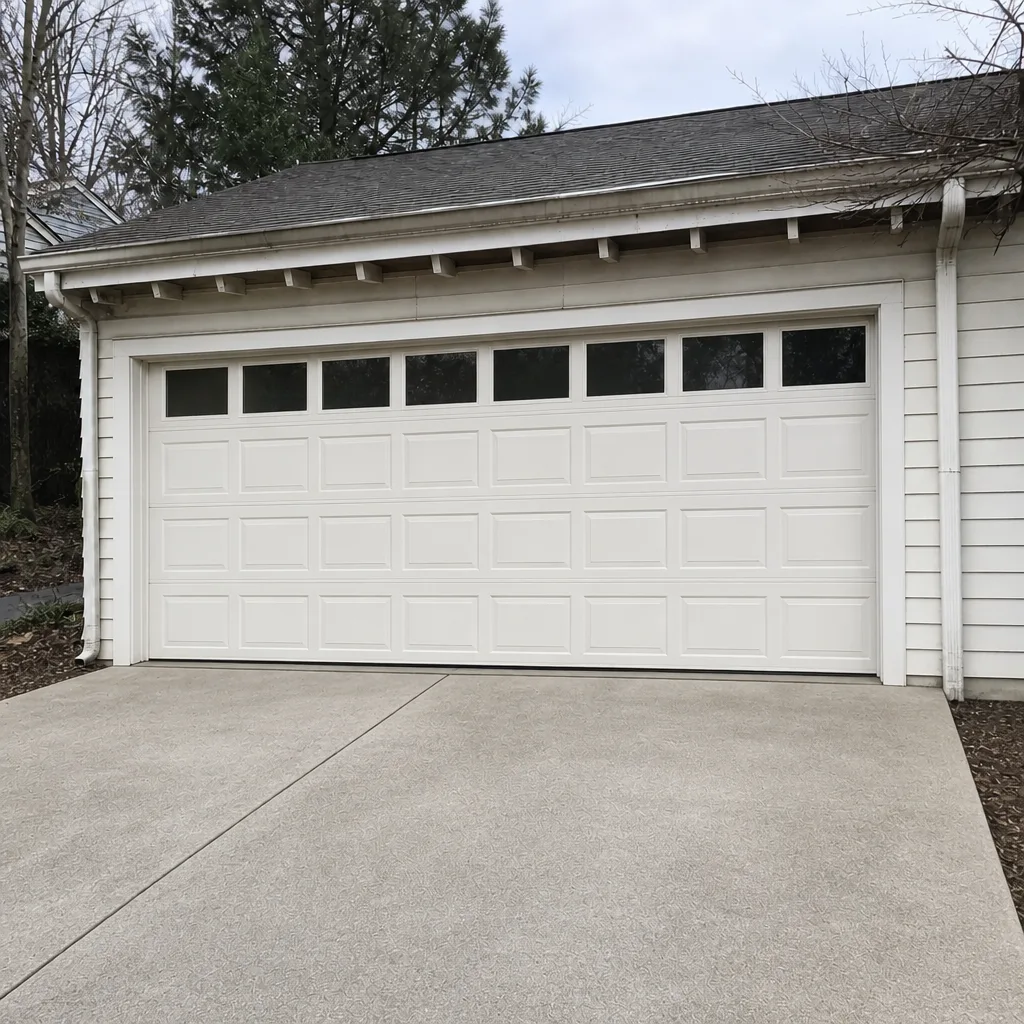 After
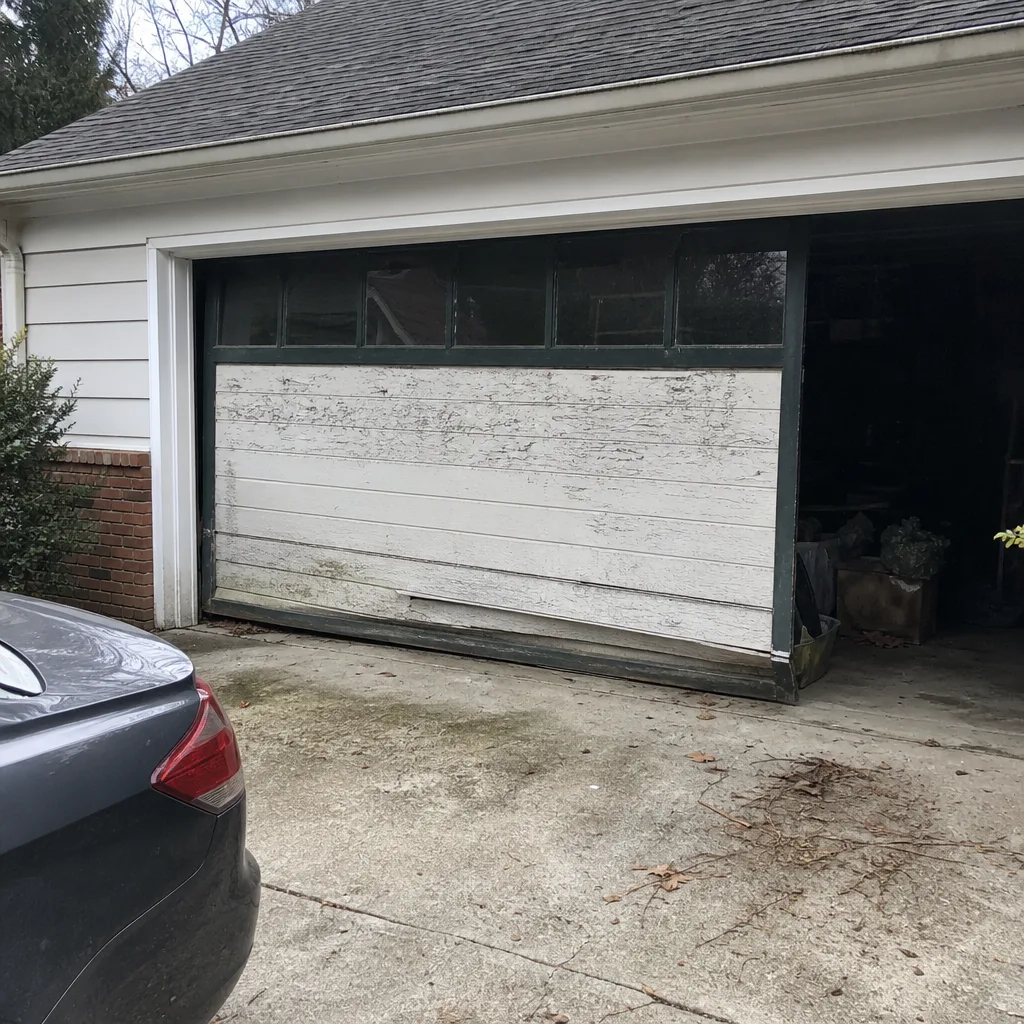 Before
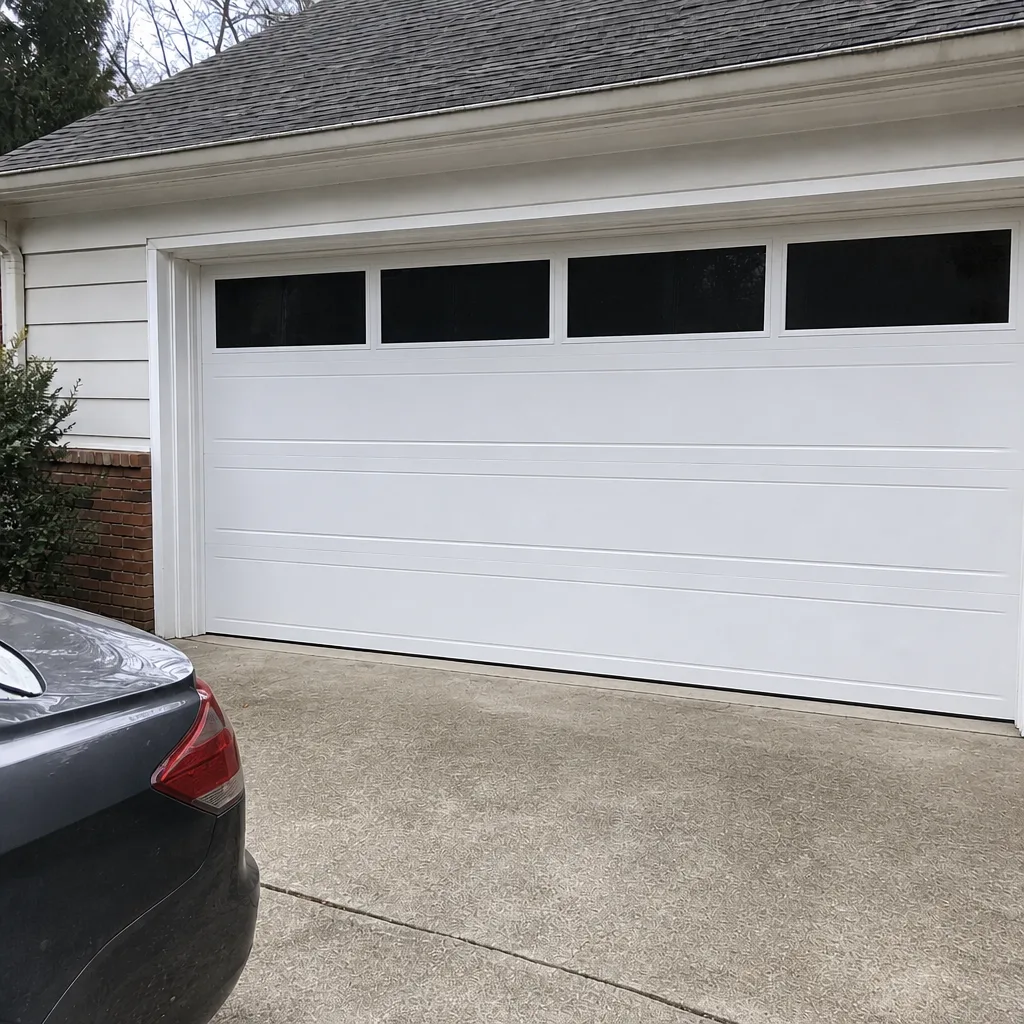 After
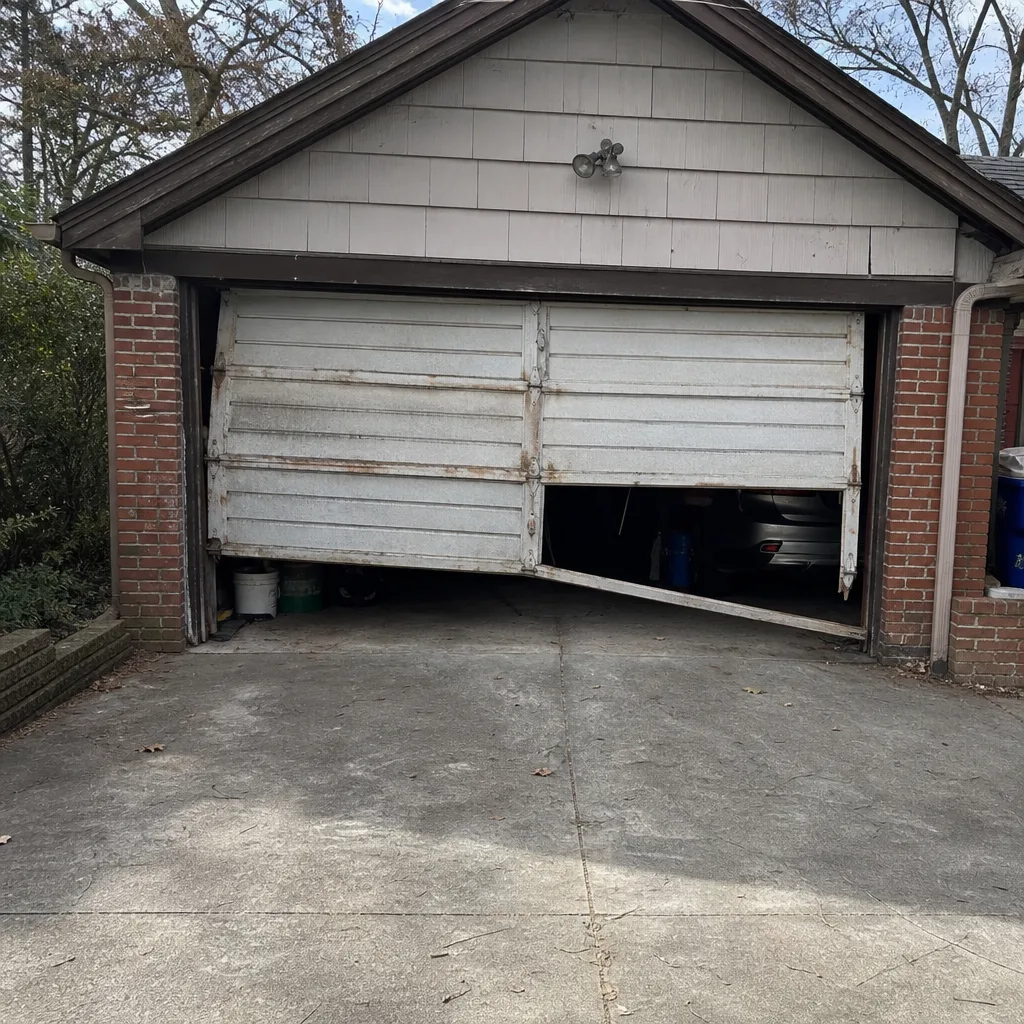 Before
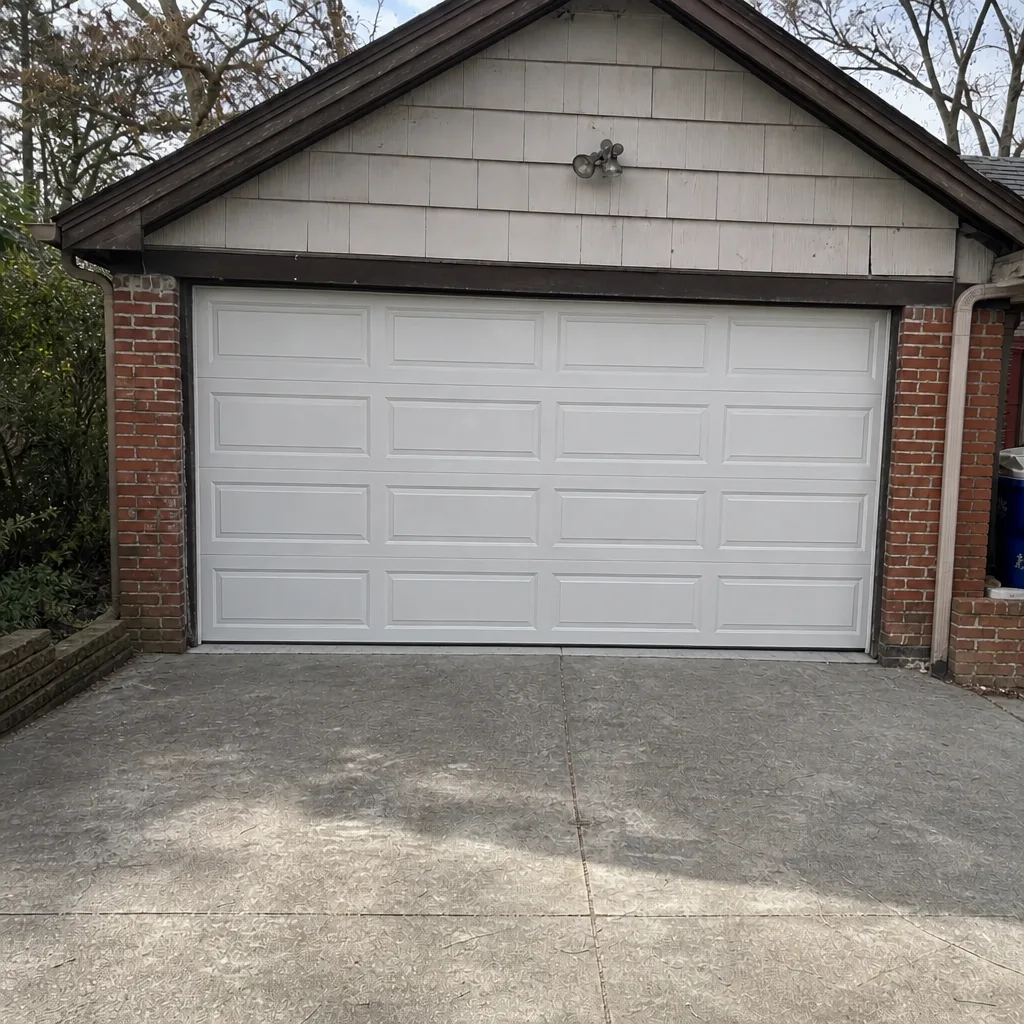 After
When to Call a Professional
Call us when the door fails a balance or force-resistance test, when you hear a loud snap or a rhythmic clanging, when the door won’t reverse, or when the opener is making a grinding sound. Call us if you’ve had a spring replaced in the past year and the door is drifting again. Call us before you paint or refinish a Clopay or Amarr door – the finish warranty has specific requirements. And call us if you’re simply not sure which tasks you should be doing yourself and which you shouldn’t; a quick call is cheaper than a mistake around a tensioned spring. Garage Door Repair Virginia-Highland offers free estimates in Virginia-Highland – call (866) 937-7146. Our technicians work on the brand you already have, whether that’s a Genie or a Wayne Dalton.
Frequently Asked Questions
Once per seasonal window: spring, summer, fall, and winter. Each window has a specific task, so “twice a year” maintenance skips half the work. For a door that stays under warranty, an annual professional tune-up on top of the seasonal check-in is worth it. Call (866) 937-7146 to schedule a tune-up; estimates are free.
In August heat, the spring is already at its loosest tolerance. Adding lubricant makes it looser, which feels like a problem when it isn’t, or masks a real problem when it is. Lubricate the springs in the cooler months – fall or winter – and skip them in mid-summer. Call (866) 937-7146 if the door feels loose in summer and we’ll tell you whether it’s a real issue.
Yes. Pull the manual release, raise the door to waist height, let go, and see if it holds. If it drops or rises on its own, the spring is out of balance. Re-engage the manual release before calling us. Call (866) 937-7146 – estimates are free.
Usually yes. Some Clopay and Amarr door warranties require annual professional inspection as a condition of the hardware warranty. Skipping it can void the warranty. Ask us for a warranty documentation check at your tune-up. Call (866) 937-7146.
A tune-up is scheduled maintenance: cleaning, lubricating, testing, and adjusting. A repair is fixing a failed component – a spring, an opener, a roller, a cable. A tune-up prevents repairs; a repair replaces what a tune-up couldn’t save. Call (866) 937-7146 for a free estimate either way.
Yes, in two ways. An older door benefits from the full four-window schedule plus an annual tune-up, because worn components fail faster. An older door may also need parts that are no longer available, so a service call is worth it if the door is over 15 to 20 cycles of the calendar year. Call (866) 937-7146 and we’ll advise on whether repair or replacement is the right call.
The Bottom Line
A garage door doesn’t need constant attention. It needs four specific tasks at four specific points on the Virginia-Highland calendar. Clean and lubricate with the right products – silicone and white lithium, never WD-40. Run the balance test and the safety-reverse test in the fall. Check warranty requirements before you touch the springs. And when the spring, the cable, or the opener force setting needs attention, call a technician who works on your brand. Spring failure is a safety issue, not just an inconvenience. The maintenance schedule we’ve laid out catches the door-safety problems before they become door-failure emergencies.
Ready to book a tune-up or a repair? Call Garage Door Repair Virginia-Highland at (866) 937-7146 for a free estimate. We cover the full picture – repair, opener repair, spring replacement, and full door installation – on the brands you already own. If your door needs a fresh installation, Garage Door Repair Virginia-Highland handles that too.
Written by the team at Garage Door Repair Virginia-Highland.