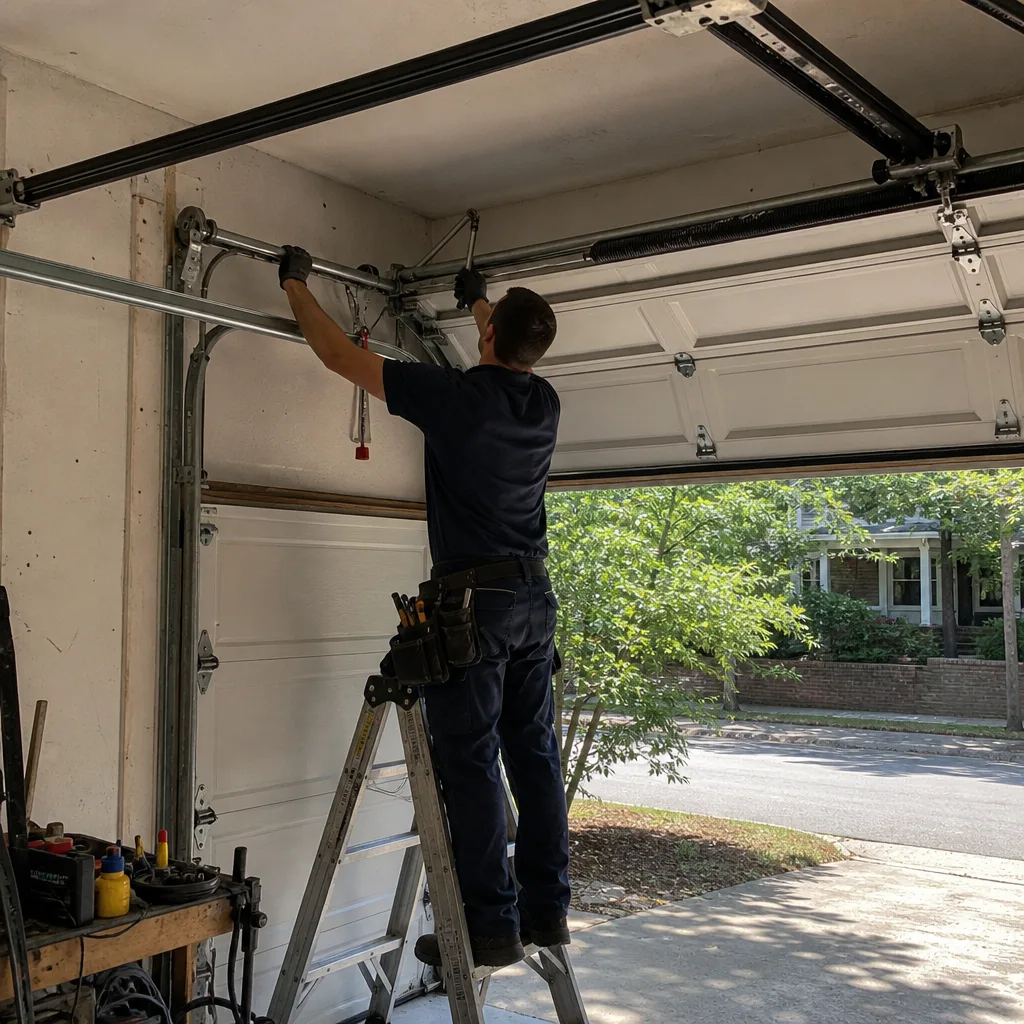
Last updated November 23, 2026
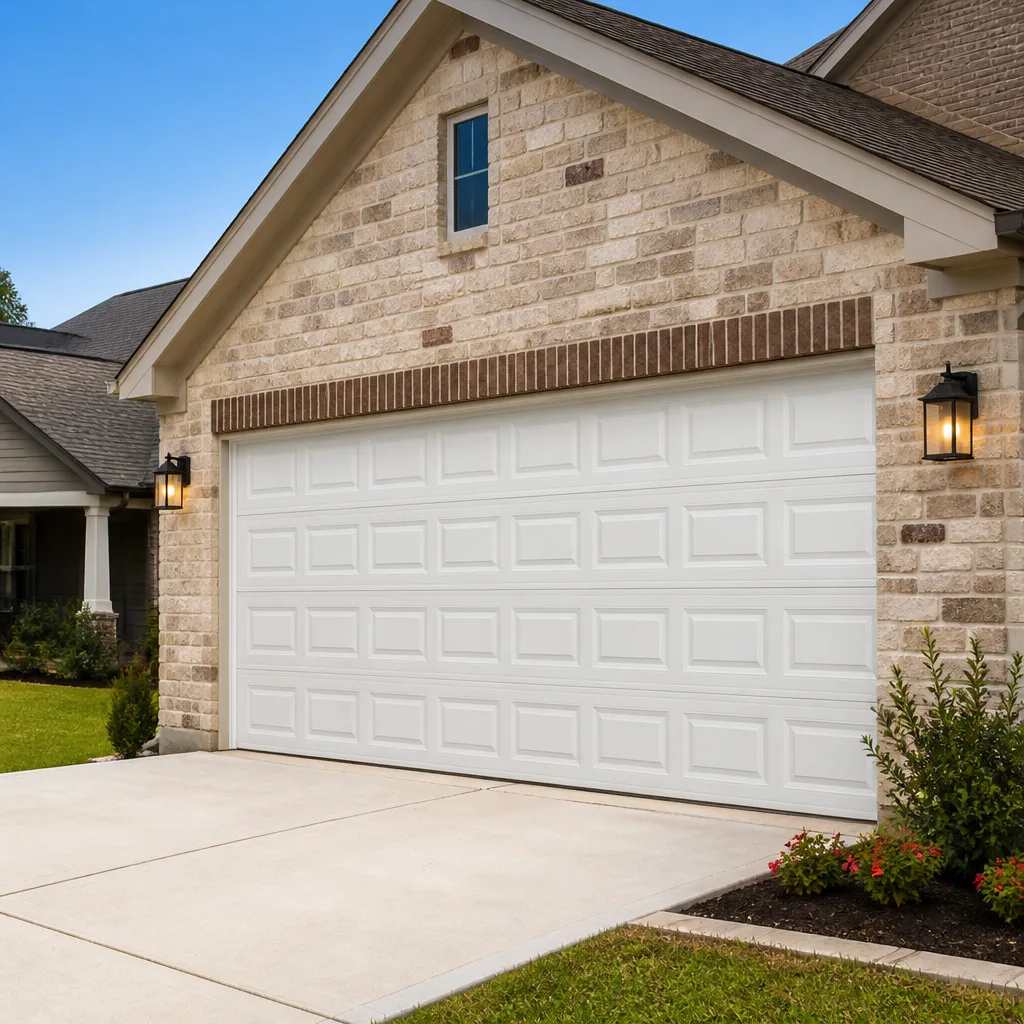 Raised-panel steel
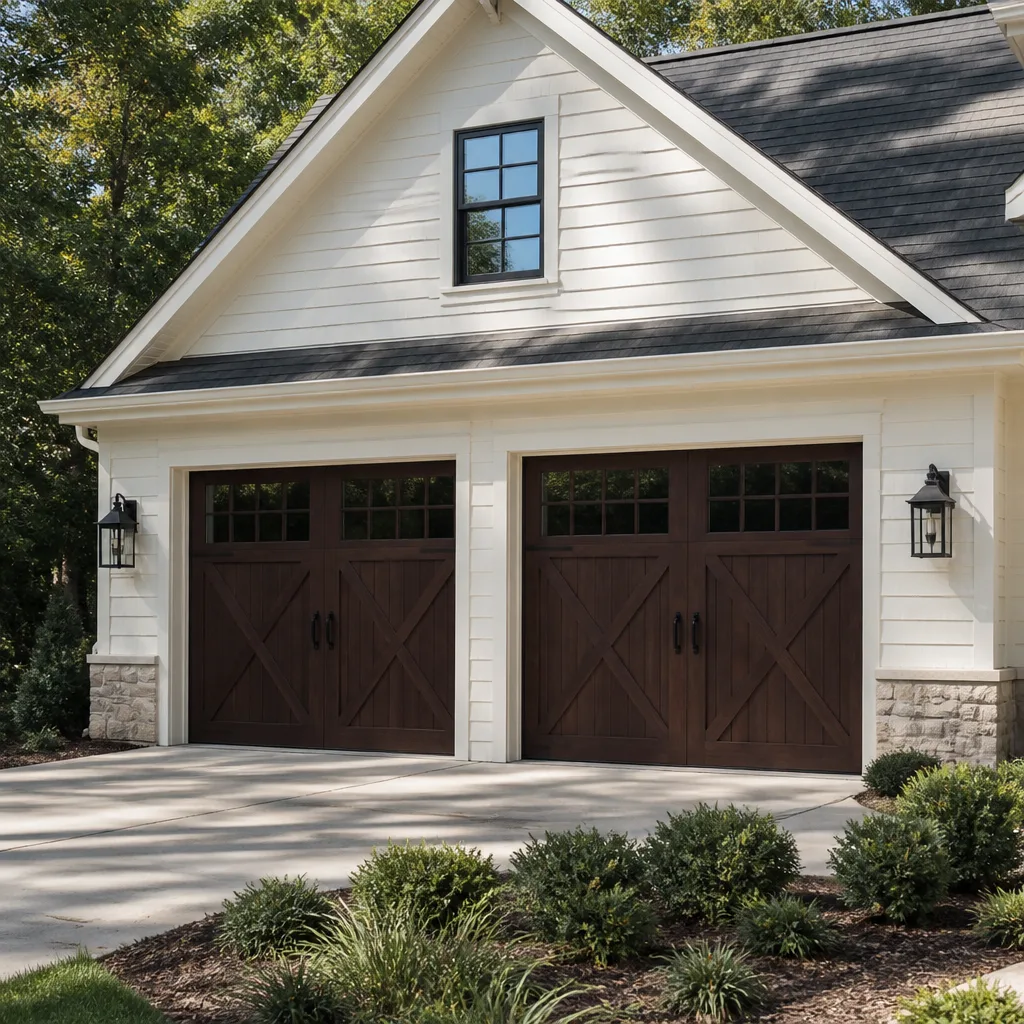 Carriage house
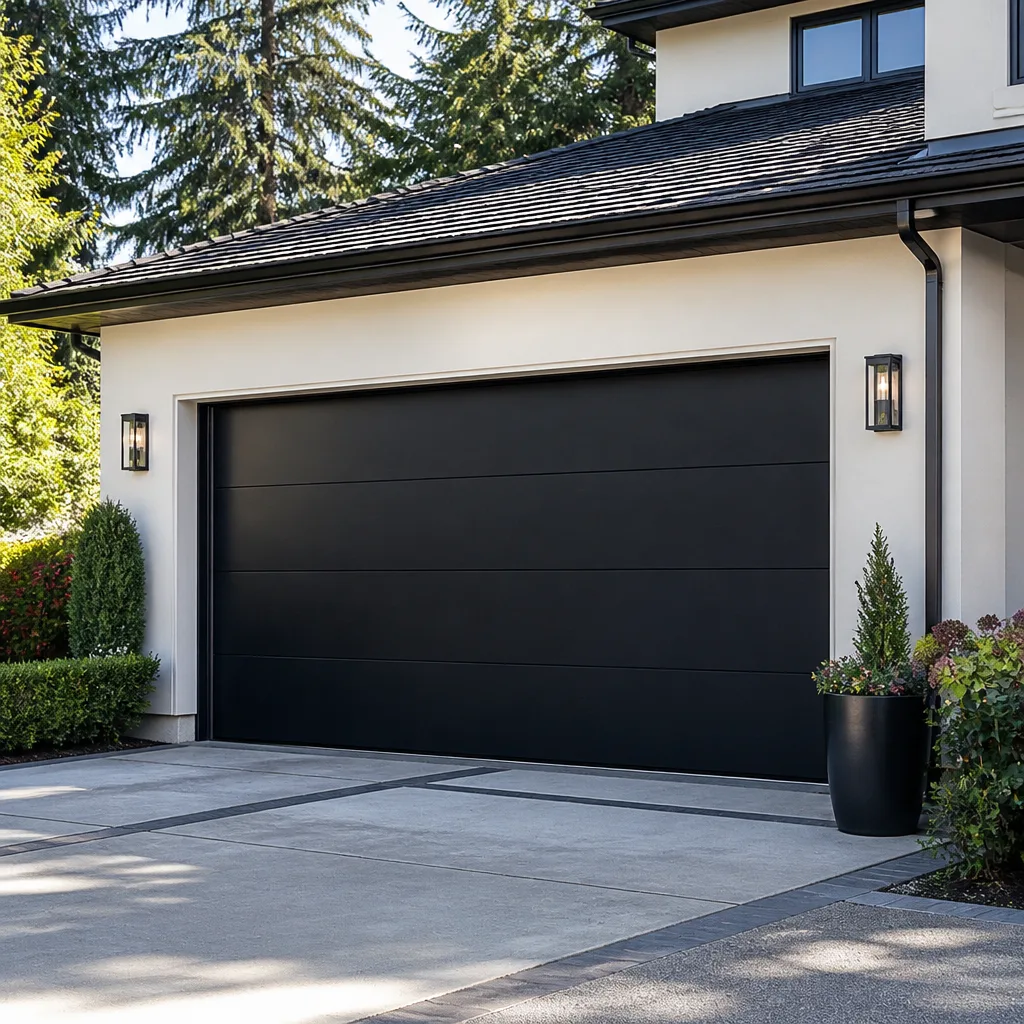 Modern flush
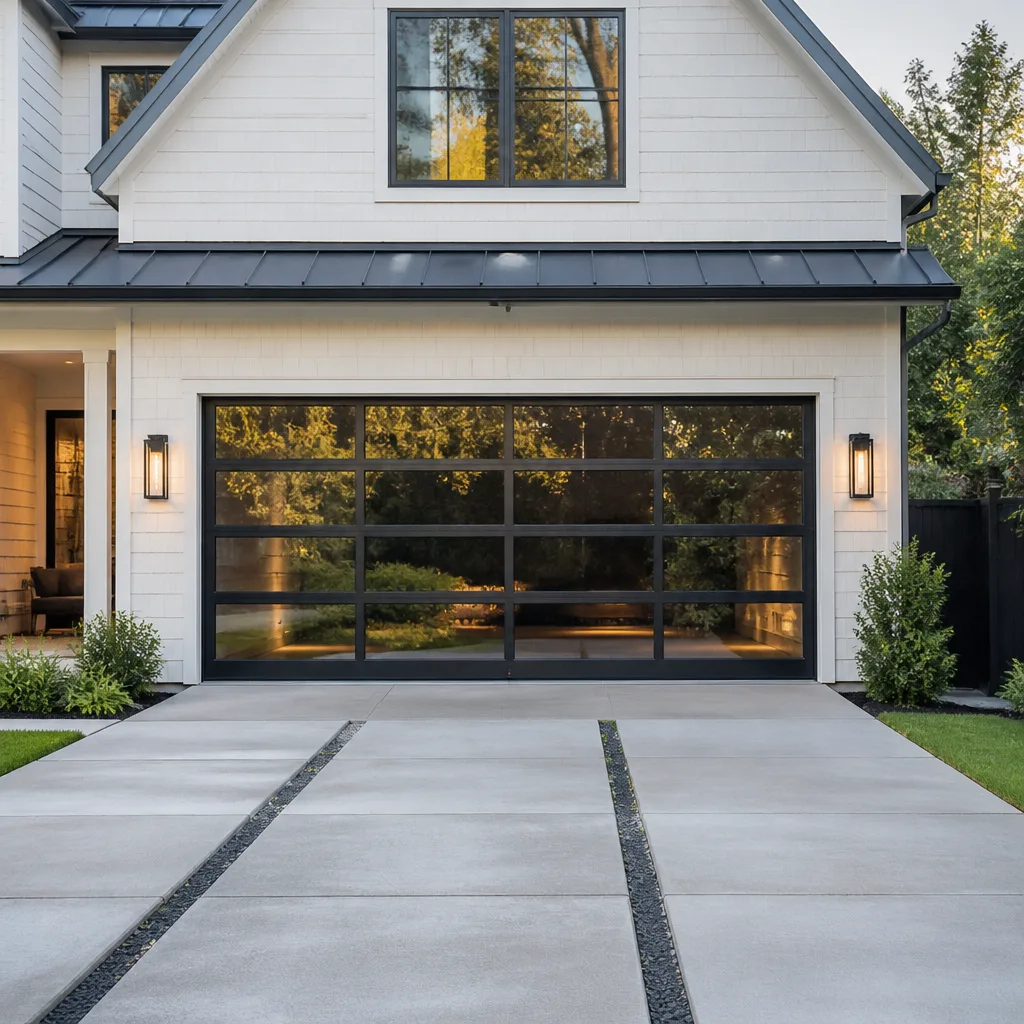 Full-view glass
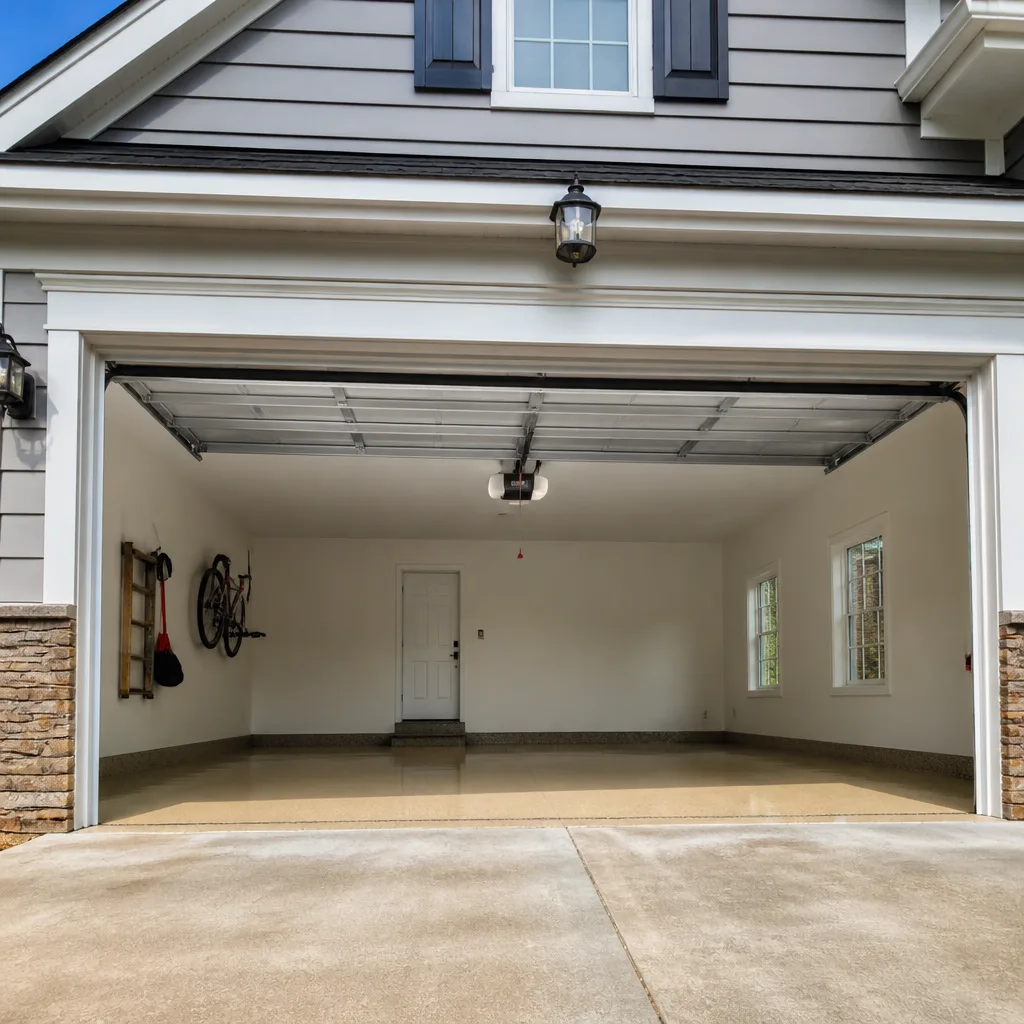 LiftMaster openers
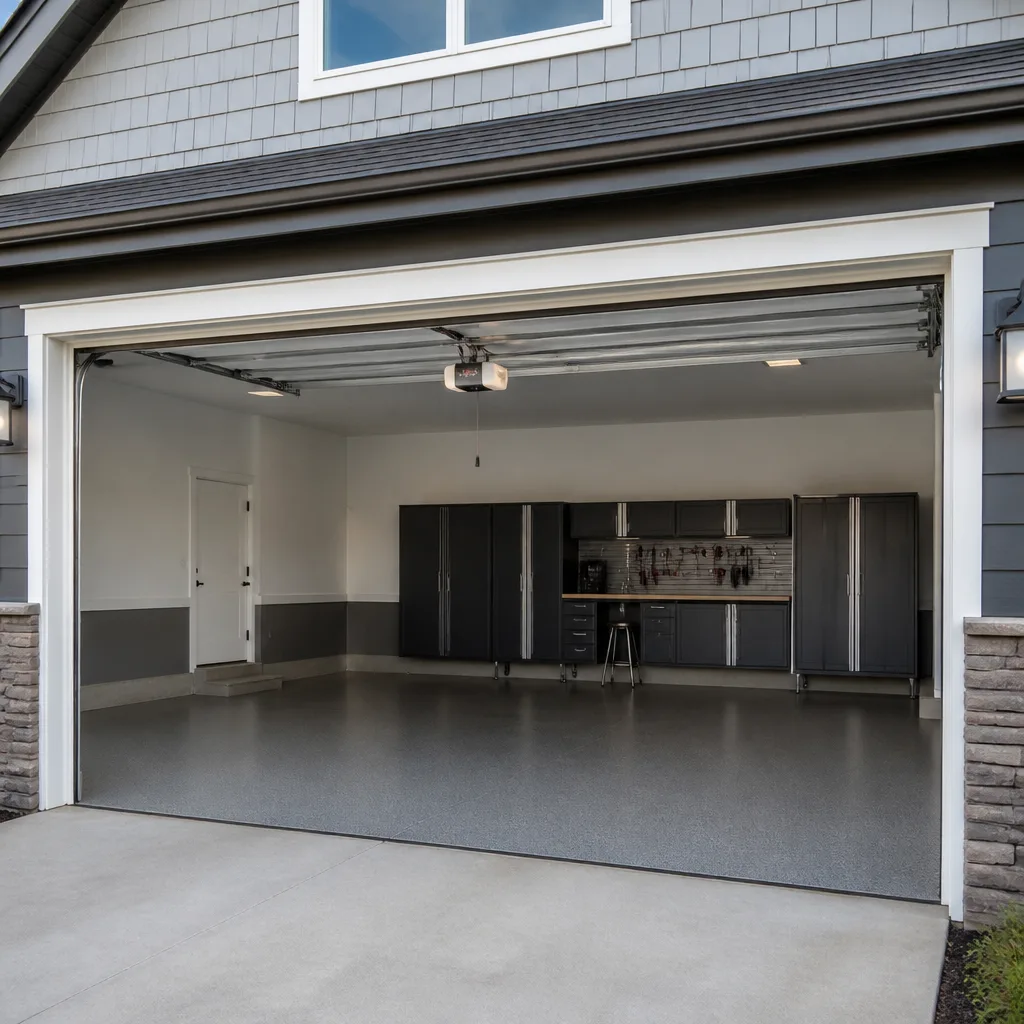 Chamberlain openers
Full 25-point door and opener safety check with every visit - springs, cables, rollers, tracks, and your LiftMaster or Chamberlain opener included
You get a price before we start. It does not change when the pro arrives.
Get your free estimateGarage Door Warning Signs: A Virginia-Highland Homeowner’s Reference Guide
Most homeowners call us after the door has already failed. The spring snapped, the cable let go, the door came down crooked and won’t budge. That’s not a warning sign – that’s the finish line. The signals that actually matter show up weeks earlier: a half-second hesitation before the door moves, a single pop from the ceiling, a slight tilt you notice once and then stop noticing. In Virginia-Highland‘s older garages, many of them built in the 1950s with hardware that has been repaired more than once, those small signals come with a predictable window before something serious gives way. This guide walks through the signs worth paying attention to, sorted by what they tell you about the door you’re standing under.
Quick Answer
Garage door warning signs in Virginia-Highland often start subtle: hesitation before movement, a grinder or pop from the ceiling, a slight tilt at the top panel, or an opener that stops reversing. A door that won’t open or close is already a failure, not a warning. The signals below let you schedule a repair before the door becomes an emergency.
Styles & brands we work with
- Raised-panel steel
- Carriage house
- Modern flush
- Full-view glass
- LiftMaster openers
- Chamberlain openers
Table of Contents
- Early Warning Signs You Might Be Missing
- What the Sounds Are Telling You
- Visual Checks on Wood-Frame Doors in Virginia-Highland
- Opener and Sensor Warning Patterns by Brand
- Settling Foundation vs. Track Problem: How to Tell
- Stop Using the Door Immediately vs. Wait a Few Days
- How Atlanta’s Seasons Affect the Door You Own
- Frequently Asked Questions
Early Warning Signs You Might Be Missing
The first signal most people ignore is hesitation. A torsion spring losing tension makes the door pause for a half-second before the opener drags it up. On a newer door that pause is unusual. On an older door with original hardware it’s a reliable predictor – in our experience, that hesitation often shows up two to four weeks before the spring lets go. When the spring finally fails, it fails loudly and often takes the door out of service with it.
The second signal is uneven wear on the door itself. Look at the seams between panels. If one side of the seam is consistently tighter than the other, the door isn’t travelling straight, and gravity is loading one side of the springs and cables harder than the other. Left alone, that asymmetry speeds up cable wear and strains the opener.
The third signal is the opener’s behaviour. A Chamberlain or LiftMaster unit that used to close smoothly and now reverses once and then closes on the second try is telling you the safety-reversal system is triggering. That could be a sensor, a binding track, or a sagging panel. Any of those deserve a look before the door stops working altogether.
If you’d rather have a technician look at the door yourself, the fastest path is Garage Door Repair Virginia-Highland – we diagnose the door you already have rather than trying to sell you a new one.
What the Sounds Are Telling You
Every failing component makes a slightly different sound, and the difference matters because it changes what gets replaced. Two sounds are easy to mix up: a grinding scrape from the cable drum and a dry squeal from a roller.
- Dry roller: a high-pitched squeal that comes at the same point in the door’s travel every time. Lubrication or a roller swap usually fixes it. Rarely urgent.
- Grinding cable drum: a lower, rougher rumble, often worse on one side of the door. It means the cable is wearing against the drum or the drum is loosening. Don’t ignore this one – the next stage is a snapped cable.
- Sharp pop: a single bang from overhead that repeats within days is usually a torsion spring fracturing progressively. Stop using the door and call.
- Clanging rattle: usually loose hinges or a bracing bolt backing out. Annoying but not immediately dangerous.
- Humming with no movement: the opener is trying to run but the door isn’t. Either the spring is dead or the opener gear is stripped.
Something else worth knowing: the sound doesn’t always get louder before failure. A spring that pops is often silent right up to the moment it goes. If you hear the sharp pop, stop raising the door and call us rather than trying to coax it open one more time. Spring failure is a safety issue, not just an inconvenience.
Visual Checks on Wood-Frame Doors in Virginia-Highland
A lot of Virginia-Highland homes still run wood-frame garage doors – some on bungalows from the 1920s and 1930s, some on later infill construction. Wood looks great until rot starts at the bottom rail, and by the time rot is visible around the perimeter, the frame has often lost real structural stiffness. A door that flexes more than it used to isn’t a cosmetic issue.
- Check the bottom rail. Run a screwdriver tip lightly along the inside edge. Soft wood means rot is already active. Probe at three points along the width.
- Check the panel seams. Look for paint lifting at the join lines – water gets behind the panels and lifts paint before it shows black timber.
- Check the hinges. Wood hinges on wood doors loosen as the screw holes strip. Loose hinges mean the panels are moving independently, and the door loses its square.
- Check the weather seal. A dried-out seal on an Atlanta summer lets water creep back under the bottom panel and start the rot cycle again.
- Check the spring plate and centre bearing. Rust on the mounting plate is fine; rust on the torsion tube where it meets the bearing is not.
An important safety caveat: don’t put your hand near the springs or the cable drums during any inspection. High tension stays loaded in the spring and cable even when the door is down. Visual inspections stop at the point where you’d need to touch a moving part, and that’s where you call us.
Opener and Sensor Warning Patterns by Brand
We work on the brand you already have, so we see how each system fails. Three openers show up in Virginia-Highland more than any others: Chamberlain, LiftMaster, and Genie. Each one fails in its own pattern.
- Chamberlain and LiftMaster: both use similar logic boards. A common early warning is the opener beeping and refusing to close – the unit is telling you a sensor or force-limit issue exists, not that the door is dangerous on its own. If the LED on the sensor doesn’t stay solid, the sensor or wiring is the problem.
- Genie: the chain-drive units tend to develop a soft rattle before the gear wears. If the opener still runs but the door barely moves, the internal gear is usually the culprit.
- Any brand: a wall button that needs a hard push, or a remote that works from the street but not from the driveway, points to a failing logic board before it points to a battery.
The two-second rule still matters: modern openers are built to reverse when they meet an obstruction. If you can hold the door’s path with a light hand and the opener does not reverse, stop using it and have it checked. That reversal test is one you can do safely and it’s often the fastest way to catch a problem before the opener drives the door down onto something. For a proper look at the opener itself, the fastest path is garage door opener repair.
Settling Foundation vs. Track Problem: How to Tell
Virginia-Highland has plenty of homes on clay-heavy soil, and Atlanta’s wet summers and dry autumns move that clay around. Settling shows up as the garage slab shifting a fraction of an inch, and the door follows it. The mistake is assuming every crooked door needs its tracks fixed. Sometimes the tracks are fine and the slab has moved.
Here’s how to tell the difference:
- Look at the gap between door and floor. A gap that’s wider on one side and consistent along the entire width means the slab has settled.
- Look at the gap between the door and the header. If the door rubs the top on one side only, the tracks are out of alignment.
- Look at the floor anchor bolts. A track that’s visibly pulled away from its anchor without a visible crack in the slab means the track shifted, not the floor.
- Run your hand along the vertical tracks. Both tracks should sit at the same offset from the door. If one leans in and one leans out, it’s a track alignment issue.
- Check the header bolts. A header that’s separated from the wall over the years will pull the whole assembly out of square – that’s a bigger repair than tracks alone.
The fix usually involves shimming the track to match the floor rather than moving the floor. On some Virginia-Highland garages, if the settlement is ongoing rather than stable, the correct answer is to re-hang the door on adjustable brackets so future movement is easy to compensate for. That’s a conversation worth having before you commit to a new door.
Stop Using the Door Immediately vs. Wait a Few Days
Not every warning sign means stop. Sorting the signals matters because calling us for a dry roller is different from calling us for a snapped spring. Here’s how we sort them.
Stop using the door right now if:
- You see a broken spring or a spring with a visible gap in the coil.
- A cable is visibly slack or has come off the drum.
- A panel is cracked and one section is unsupported.
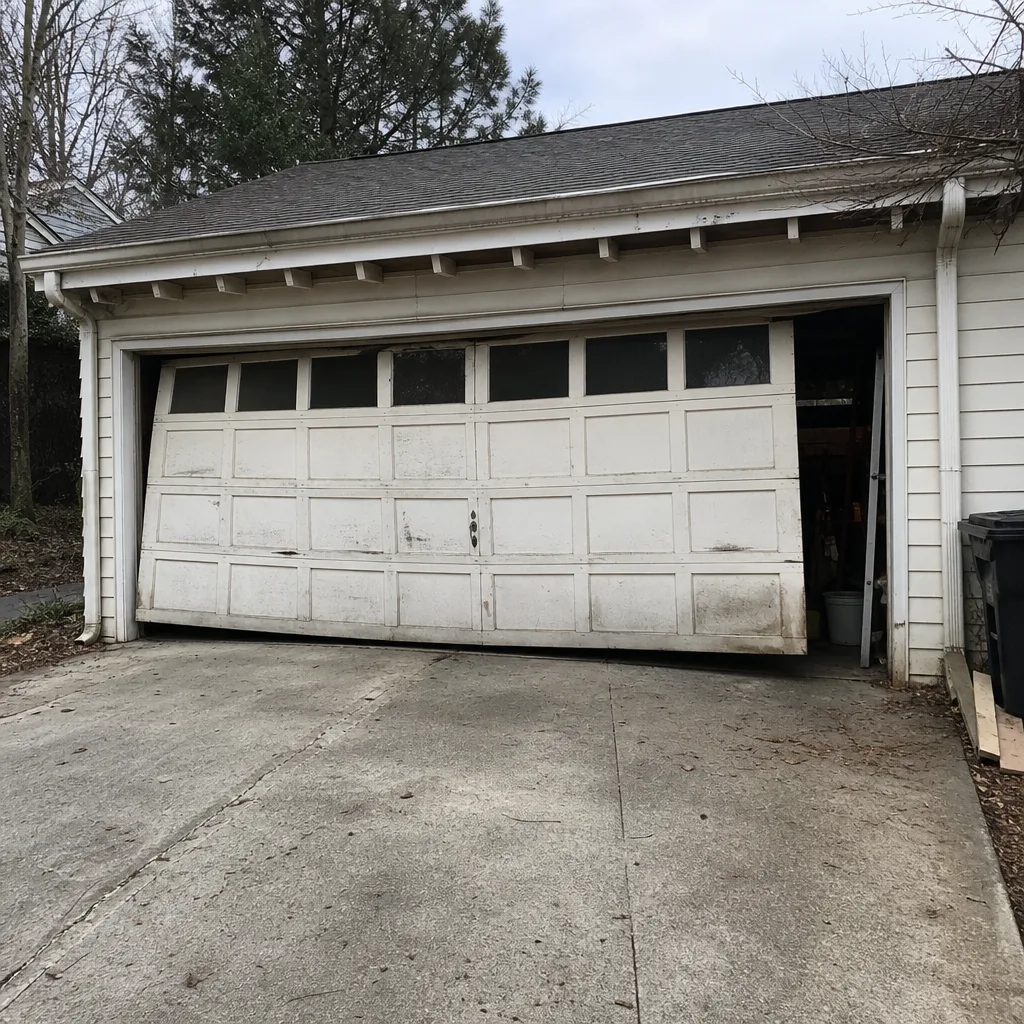
- The door is tilted and doesn’t sit flat when closed.
- The opener runs but the door doesn’t move, or the door drops faster than it should when you disengage the opener.
- You hear a sharp pop from overhead and the door feels heavier than before.
You can wait a few days (but don’t wait weeks) if:
- A dry roller is squealing but the door runs smoothly.
- A sensor LED is flickering but the door still closes when it should.
- A single hinge is rattling but the door tracks straight.
- The paint on a wood bottom rail is starting to lift but the timber still feels firm.
When the door won’t move, we move fast. Emergency garage door response is part of what we do – a door stuck open in a Virginia-Highland home is a security problem as much as a mechanical one, and a door stuck closed means someone isn’t getting their car out. Call (866) 937-7146 and we’ll talk through what you’re seeing before you touch anything.
How Atlanta’s Seasons Affect the Door You Own
Atlanta’s weather isn’t dramatic, but the swing from humid summer to dry autumn puts real stress on a garage door. Wood swells in July and August, shrinks by November, and the panels that were tight in summer can move a few millimetres by the first cold snap. That seasonal movement is why hinges loosen and why slight tilts show up more in late autumn than in mid-summer.
The torsion springs themselves are less affected by humidity and more affected by cycles – every open-and-close cycle is one less cycle your springs have left. A Virginia-Highland home with two cars coming and going does roughly double the cycles of a single-car garage, which is one reason spring wear shows up faster in families than in retirees.
The clay soil around Virginia-Highland gets very wet in late winter and very dry in September. That cycle is what moves slabs, and every slab shift puts new stress on the door’s alignment. Homeowners who have the door checked once a year, ideally in late autumn before the dry period, tend to catch the alignment issues before they turn into a track repair.
And it’s worth mentioning openers in this context: an opener’s force settings that were fine in spring can start to fail when temperatures drop. A door that worked all summer suddenly reversing at 40 degrees isn’t the opener misbehaving – it’s the door getting heavier as grease and dust thicken. That’s the signal to check the door’s balance, not to turn the force up.
Common Mistakes to Avoid
- Greasing a torsion spring. Oil on the spring attracts grit and can hide cracks in the coil. If the spring is popping, greasing it doesn’t fix anything. Call a technician.
- Adjusting the force settings on the opener. Raising the force is the fastest way to burn out an opener motor, and it doesn’t address the underlying problem – a door that’s too heavy to move.
- Running the door when it tilts. A door that’s out of square will eventually jam or fall. In a Virginia-Highland home with a wood-frame door, that usually means the cables and hinges take the damage too.
- Cutting the bottom seal to “make it fit”. The seal dries out and needs replacing – cutting it loosens the panel, which is a bigger repair. Look at your Clopay or Amarr door’s seal spec before you start.
- Assuming foundation work is the fix. A lot of “settling” issues are track alignment. Have the door checked before you call a foundation specialist.
- Ignoring the sensor on a Genie opener. Genie sensors are reliable, but the wiring is thin, and rodent chews that wiring more often than the sensor itself fails. A “bad sensor” is sometimes three feet of wire.
- Replacing the door when the spring, opener or track is the actual problem. A door that’s failing structurally is different from a door that’s failing on a worn component. Diagnose before replacing.
See the difference
 Before
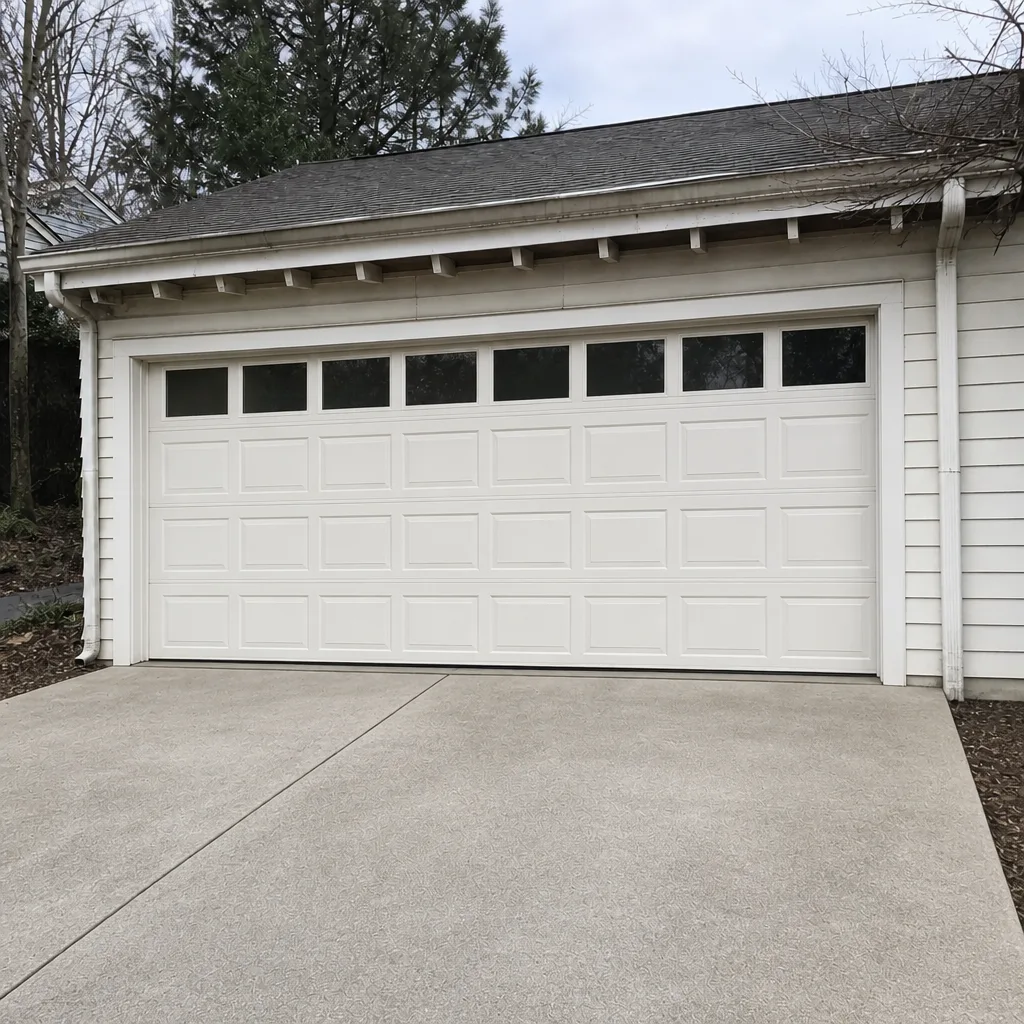 After
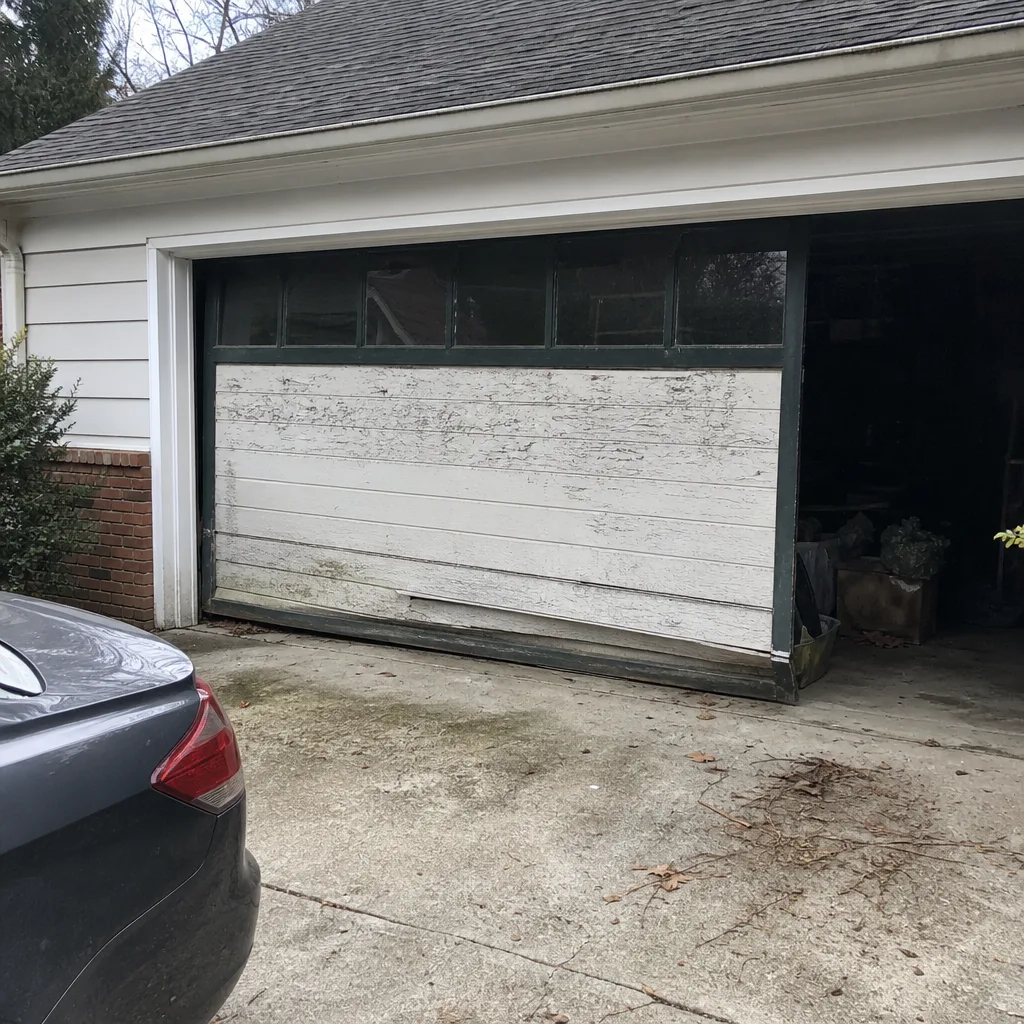 Before
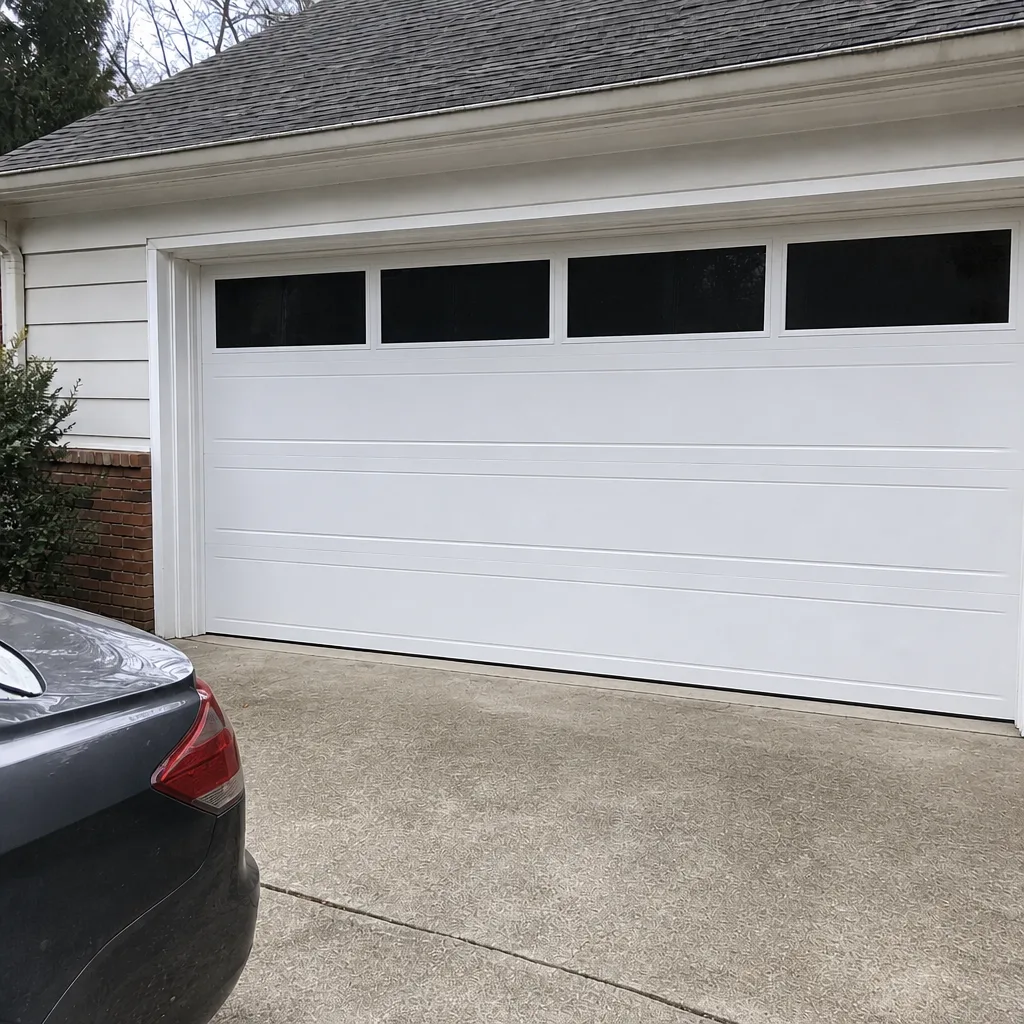 After
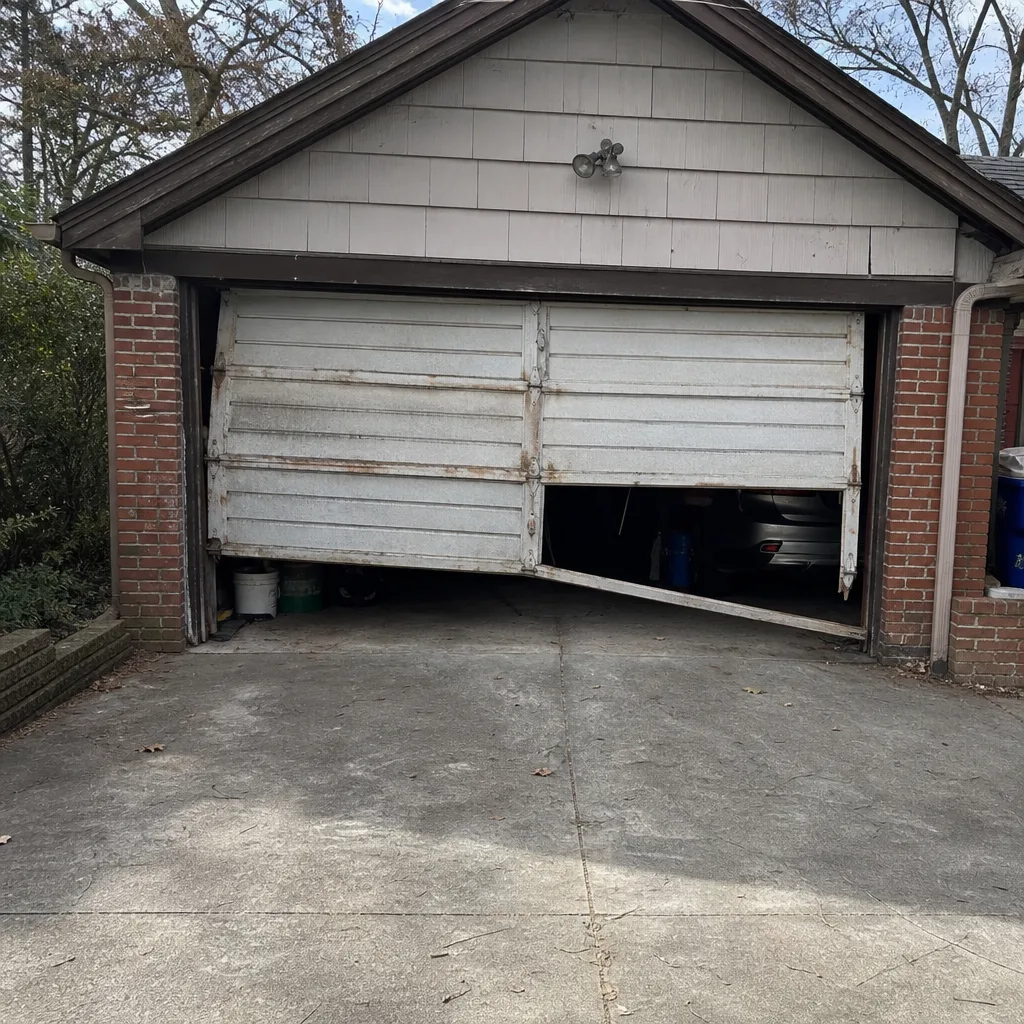 Before
 After
When to Call a Professional
Call us when the door is heavier than before, when the door hesitates, when you see a broken spring or a slack cable, when the opener reverses unexpectedly, or when a wood door starts feeling soft at the bottom rail. Also call when you’re not sure – a quick look at a Virginia-Highland door costs nothing, and it’s much cheaper than the emergency visit after a spring goes. Our technicians have up to 15 years of experience and are trained on Clopay, Amarr, LiftMaster, Chamberlain, Genie, Wayne Dalton, Craftsman, and Raynor, so we work on the door you already have rather than pushing a replacement. Garage Door Repair Virginia-Highland offers free estimates in Virginia-Highland – call (866) 937-7146.
If the answer is a new door, we’ll say so directly. If the answer is a repair, we’ll quote it in writing before anyone touches the door, and the written quote is the price. For a replacement, the right next step is a free measure and a written estimate – garage door installation is a measured, scheduled job, so we’ll come out, measure the opening, and walk you through the options. Every repair we do is booked around you, so you’ll get a written price before we start.
Frequently Asked Questions
The most common early signs are hesitation before the door moves, a grinding sound from the cable drum, a slight tilt at the top panel, and an opener that reverses on the first try. In Virginia-Highland, wood-frame doors from the 1950s often show soft timber at the bottom rail before they show any mechanical symptoms. Call (866) 937-7146 for a free estimate if you spot any of these.
Hesitation from a torsion spring losing tension often shows up two to four weeks before the spring fails, so that’s the window to book a repair. Dry rollers and loose hinges can usually wait a few days. Broken springs, slack cables, tilted doors and cracked panels are stop-using-immediately. Call (866) 937-7146 and we’ll help you sort which category you’re in – estimates are free.
Some, yes – lubricating rollers, tightening a hinge screw, and testing the opener’s reversal are all safe. Anything that involves the springs, cables, or taking the door off its tracks is not a DIY job, because the springs and cables stay under high tension even when the door is down, and a sudden release can cause serious injury. Use a trained technician for anything touching those parts. Call (866) 937-7146 for an exact quote – estimates are free.
Cold weather thickens grease and stiffens the door’s seals, making the door heavier to move, which trips the opener’s force limits. That’s not the opener failing – it’s the door getting heavier. On a Chamberlain or LiftMaster unit you’ll often see the door reverse once and then close on the second try. On a Genie unit you may hear the motor run but the door barely respond. Both point to the door, not the opener. Call (866) 937-7146 for a free estimate before you raise the force setting.
Not always. A high-pitched squeal that repeats in the same spot of travel is usually a dry roller. A lower, rougher rumble, often worse on one side, is more likely the cable drum wearing. If the sound gets louder with every cycle over a few days, stop using the door and call (866) 937-7146 – that pattern points to a cable issue that won’t fix itself.
A consistent gap across the whole door width usually points to slab settlement, while a rub at one side of the header points to a track alignment issue. Virginia-Highland’s clay soil moves a lot between wet winters and dry autumns, so both are common here. Have it checked before you commit to foundation work – the fix is often track adjustment rather than structural repair. Call (866) 937-7146 for a free estimate.
Get the Door Looked at Before It Fails
The point of this guide isn’t to make you anxious about your door – it’s to help you catch the small signals while they’re still small. A half-second hesitation, a soft bottom rail, a grinding drum: none of these are emergencies today, and all of them get more expensive if you wait. The warning signs that matter most aren’t the loud ones. They’re the quiet ones that show up three weeks before the failure. Virginia-Highland’s older garages give you less margin than newer construction does, so a seasonal check plus a quick call when something feels off is usually enough to keep the door out of the emergency category. When you’re ready to have it looked at, call (866) 937-7146 for a free estimate, and if you’d like a broader look at repair options, start with garage door repair.
Written by the team at Garage Door Repair Virginia-Highland.