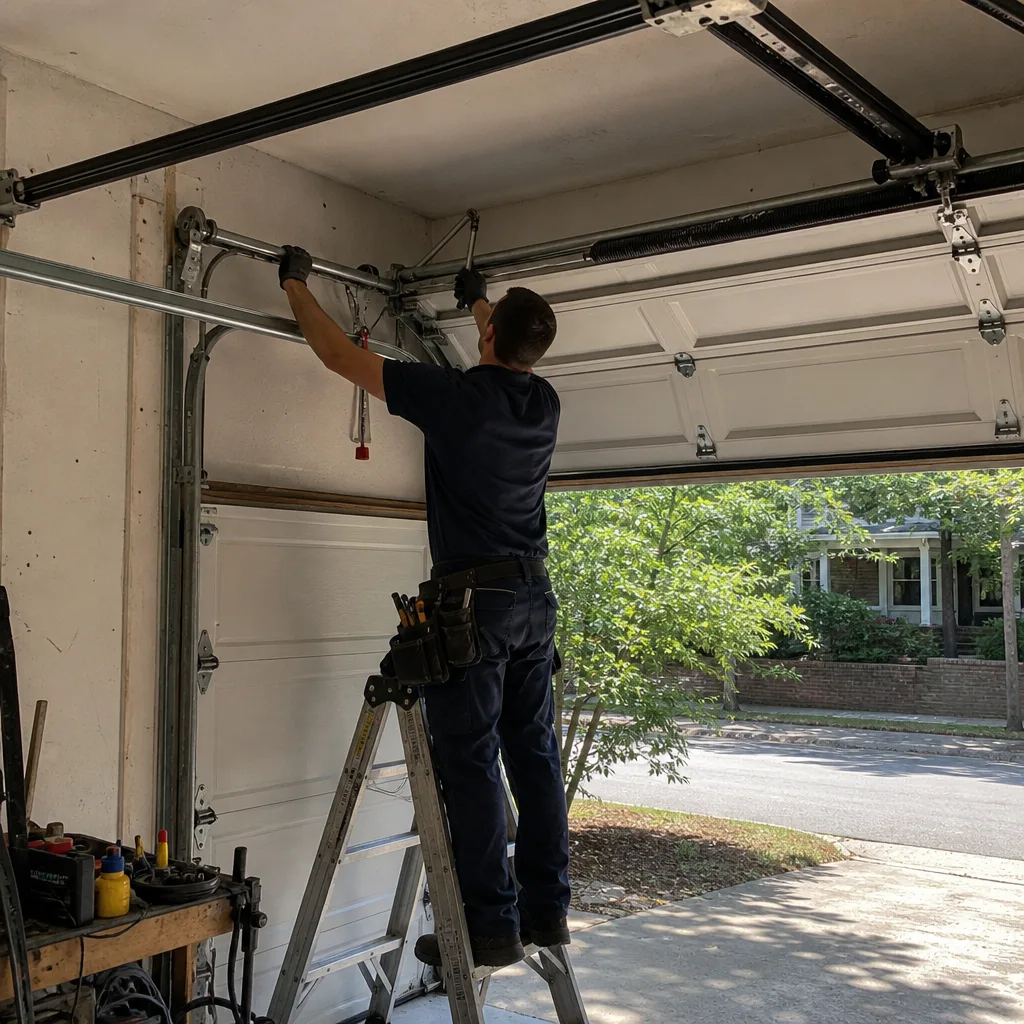
Last updated November 23, 2026
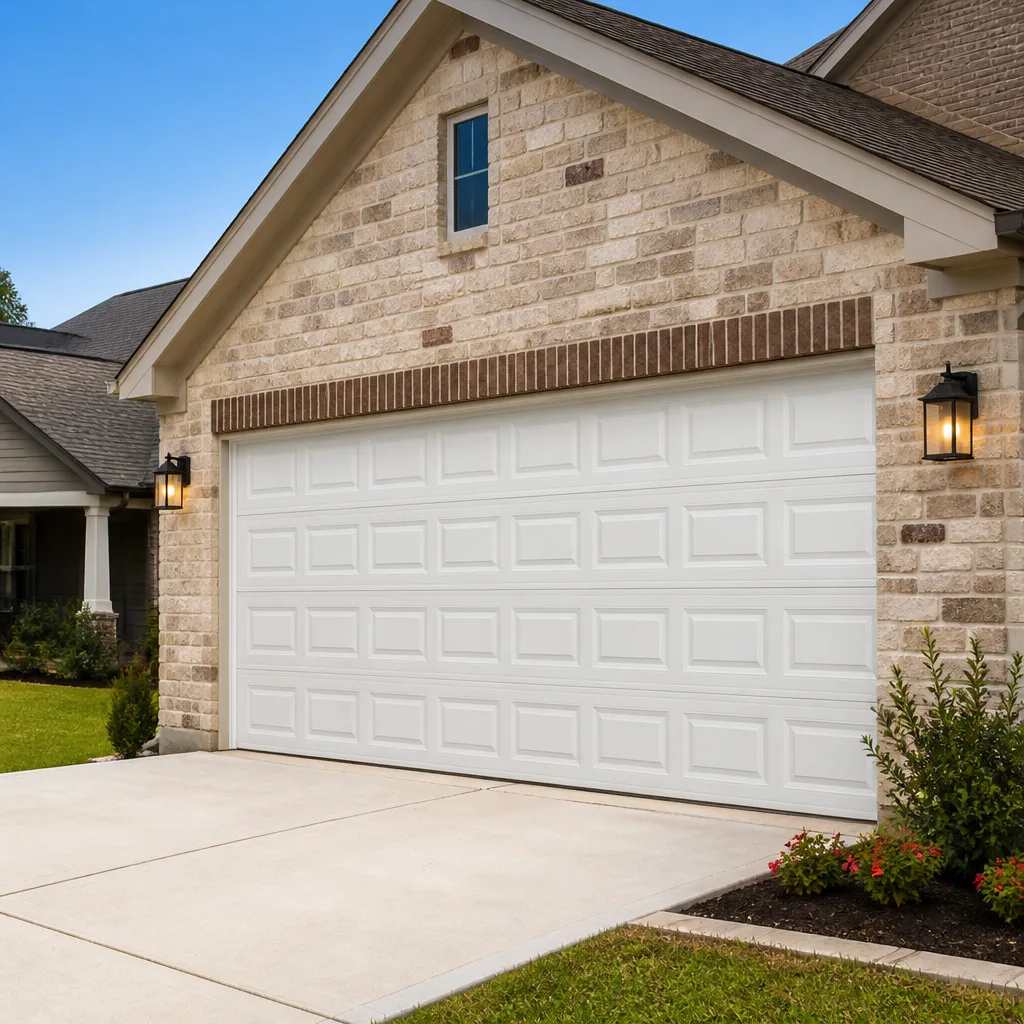 Raised-panel steel
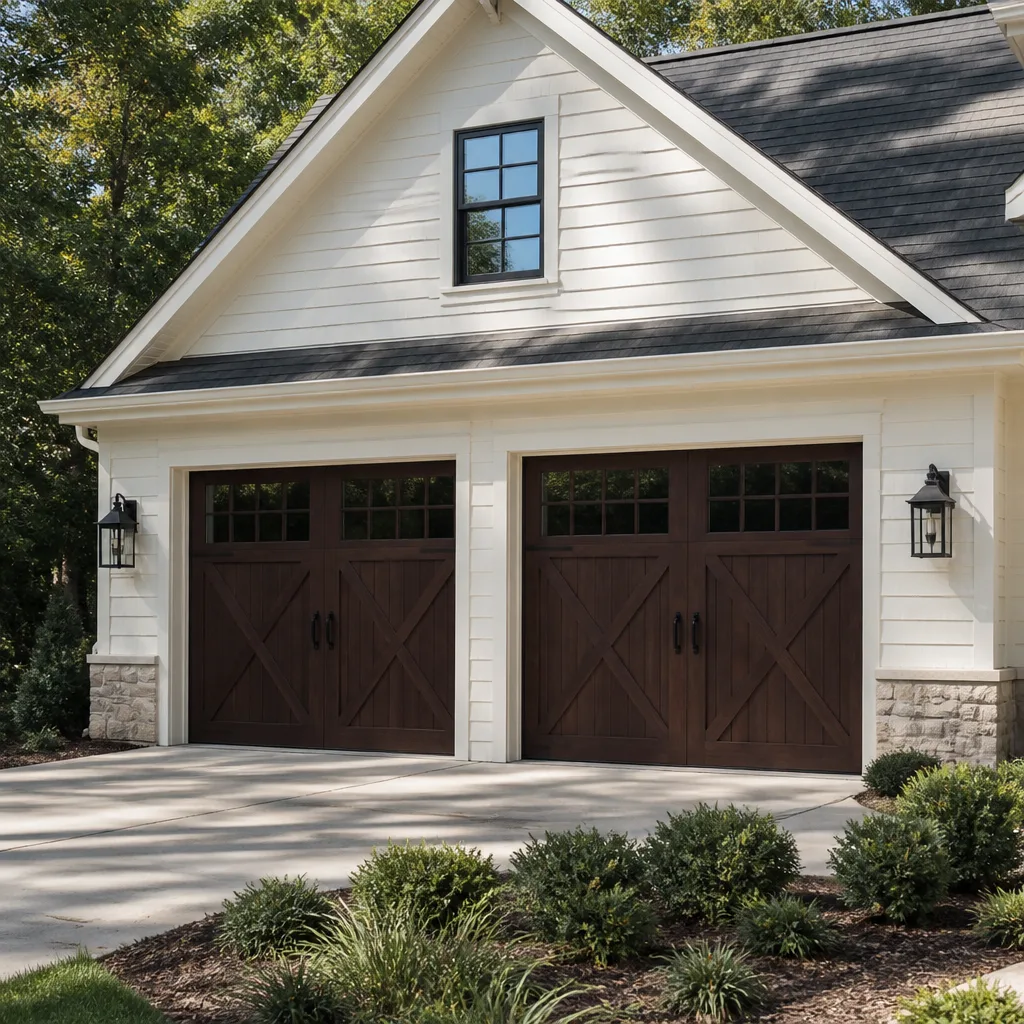 Carriage house
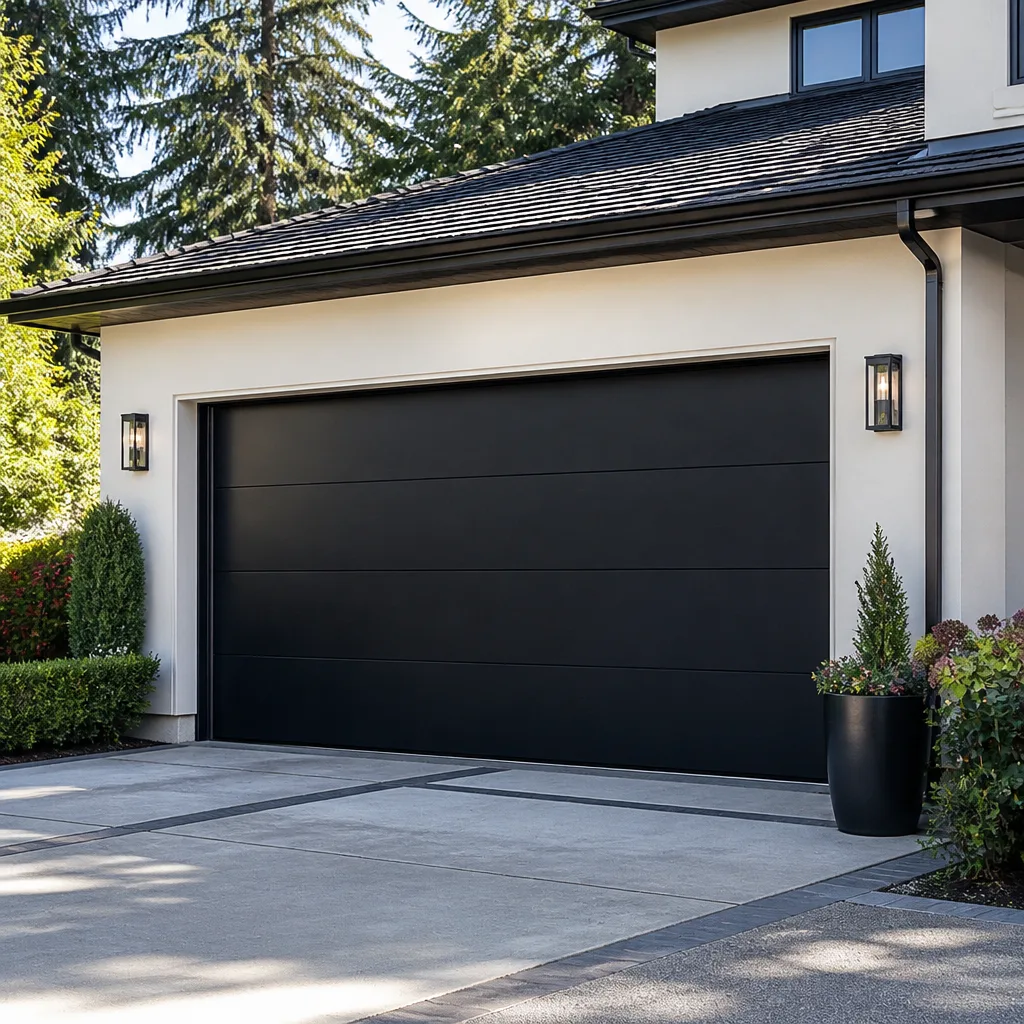 Modern flush
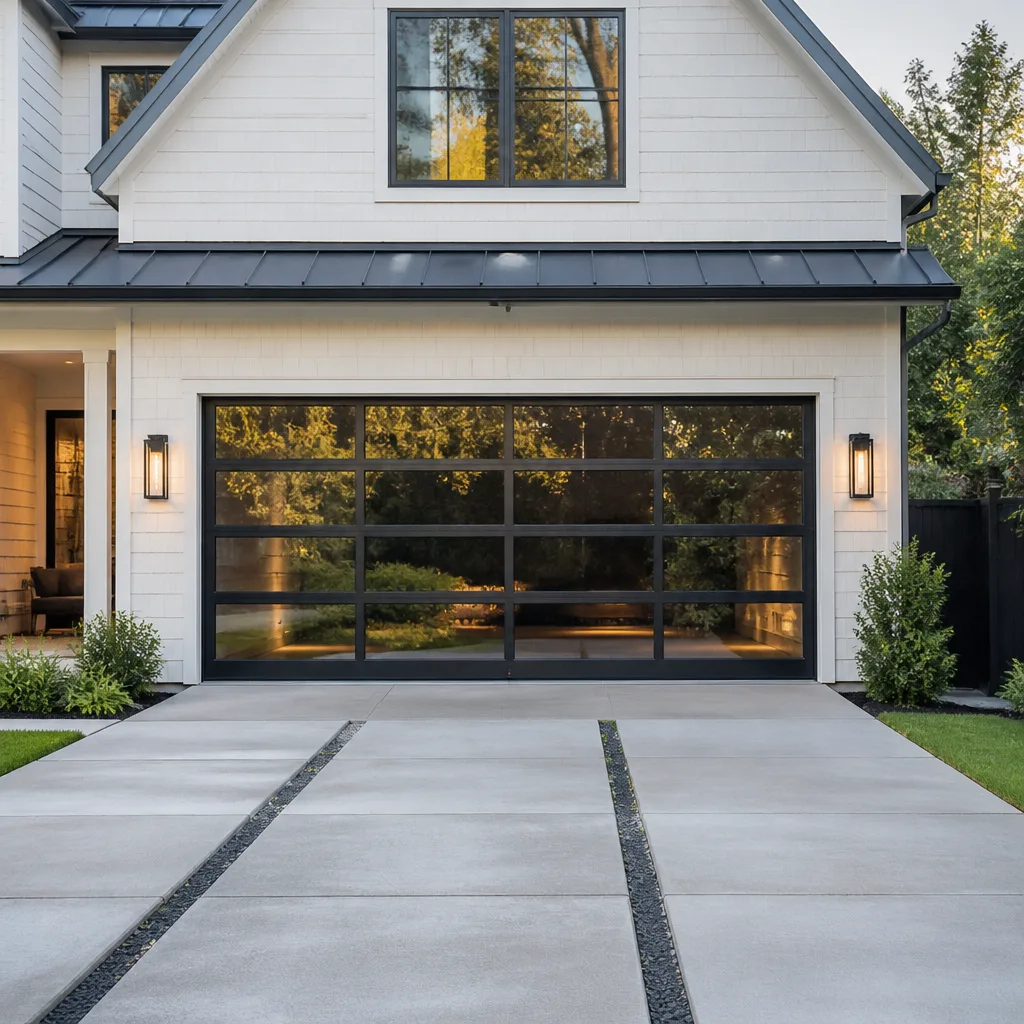 Full-view glass
 LiftMaster openers
 Chamberlain openers
Full 25-point door and opener safety check with every visit - springs, cables, rollers, tracks, and your LiftMaster or Chamberlain opener included
You get a price before we start. It does not change when the pro arrives.
Get your free estimateSeasonal Garage Door Care for Virginia-Highland: Year-Round Homeowner’s Guide
Spring failures in Atlanta cluster in January, and the cold isn’t the reason. By the time the first hard freeze arrives, most garage doors in this part of town have already spent a summer baking, a fall collecting leaves in their tracks, and a winter pulling against springs that never got lubricated in June. The hardware doesn’t fail because of one bad month. It fails because the year stacked up. That sequence is the whole point of this guide. Below you’ll find a seasonal calendar built for Virginia-Highland’s actual conditions: humid summers that swell wood and expand steel, mild winters with just enough ice to catch people off guard, and a heavy spring pollen season that coats tracks, rollers, and weather seals. You’ll learn what to check in each season, why it matters, and when the job stops being a homeowner task and becomes a call.
Quick Answer
Seasonal garage door care in Virginia-Highland comes down to four moves: clean tracks and inspect seals after pollen season in late spring, watch for heat expansion and humidity effects in summer, clear leaf debris from tracks and sensors in fall, and check hardware and lubrication before the first freeze in winter. Lubrication, track cleaning, and balance checks are homeowner tasks. Springs, cables, and opener electrical work are not. Most Virginia-Highland doors that fail in January were showing warning signs back in September.
Styles & brands we work with
- Raised-panel steel
- Carriage house
- Modern flush
- Full-view glass
- LiftMaster openers
- Chamberlain openers
Table of Contents
- Why garage doors in Virginia-Highland fail on a schedule
- Spring: post-pollen seal inspection and track cleaning
- Summer: heat expansion and humidity tolerances
- Fall: leaf and debris buildup in tracks and sensors
- Winter: what freeze events actually do to hardware
- Your month-by-month task card
- Working with the brand you already own
- Common mistakes to avoid
- When to call a professional
- Frequently asked questions
Why Garage Doors in Virginia-Highland Fail on a Schedule
Garage doors are simple machines that live outdoors, which means they absorb whatever the weather throws at them all year. In Virginia-Highland, that weather follows a fairly predictable arc. Late spring brings a heavy pollen dump from the mature trees that shade so many of the neighborhood’s streets and lots. Summer delivers weeks of high humidity and heat. Fall drops leaves into every exposed surface, including garage door tracks. Winter usually stays mild, but Atlanta’s occasional freeze events catch hardware that hasn’t been serviced since the previous spring.
Each of those seasons stresses a different component. Pollen works its way into seals and track channels. Summer heat expands steel door panels and plays with wood door tolerances. Fall debris jams rollers and fools safety sensors. Winter cold makes tired springs, stiff hinges, and dry rollers fail. The failure you see in one season is usually the result of neglect from one or two seasons before.
The neighborhood’s housing stock adds a wrinkle. Virginia-Highland has a wide range of home ages, from older bungalows with original wood doors to newer builds with steel or composite doors and modern openers. A wood door and a steel door age differently in the same climate. A door paired with a LiftMaster opener has different service needs than one running on an older Genie unit. The calendar below is general, but the checks themselves are the same for most doors we see in the area.
Two things sit outside the homeowner’s lane, and we want to be clear about that up front. Torsion springs and cables are under high tension, and a failure there can cause serious injury. Opener electrical work involves line voltage and should be handled by a trained technician. Everything else in this guide – cleaning, watching, lubricating, and knowing when to call – is a reasonable homeowner task. For a broader overview of how we handle the full range of fixes, see our Garage Door Repair Virginia-Highland page.
Spring: Post-Pollen Seal Inspection and Track Cleaning
Virginia-Highland’s tree canopy is one of the things that makes this neighborhood feel like a neighborhood. It’s also why spring is the single most important season for garage door cleaning here. As pollen season winds down, a fine yellow-green film settles onto everything, including the weather seal at the bottom of your door and the channels your rollers ride in. Left alone, that film turns into a gritty paste that wears down seals and grinds against rollers with every cycle.
The late-spring task card here is simple but specific:
- Inspect the bottom weather seal. Run a hand along the rubber or vinyl seal under the door. Look for cracking, flattening, or gaps. A seal that’s compressed flat won’t keep out rain, insects, or the humidity that warps wood door panels.
- Clean the vertical tracks. Use a damp rag to wipe out the channel on each side. Pollen and grit collect there first. Don’t use oil or grease in the track itself – it attracts more debris.
- Check the horizontal tracks. With the door closed, look along the overhead tracks for debris, sagging, or loose brackets.
- Lubricate hinges, rollers, and the torsion spring. A garage door lubricant on the hinges, the roller stems (not the track), and the spring coil reduces friction and quiets the door.
- Look at the door from the street. Stand back and check for sagging panels, uneven spacing along the bottom, or a door that sits crooked in the frame. These point to balance or spring issues.
- Test the safety reversal. Put a small object in the door’s path and confirm the door reverses.
The rain that follows pollen season matters too. On tree-heavy lots in Virginia-Highland, wet debris clings to seals longer than dry debris does. If your driveway sits under a canopy, your seal and tracks will need more frequent attention than a door on an open lot. If you’re seeing daylight under the door, a seal replacement is one of the simplest jobs to knock out. Full details on the components involved are on our garage door repair page.
Summer: Heat Expansion and Humidity Tolerances
Summer in Virginia-Highland splits the garage door world in two. If you own a steel door, the story is heat expansion. If you own a wood door, the story is humidity and how it changes the tolerances that keep your door moving smoothly.
Steel doors absorb heat through the afternoon and expand slightly. Panels bow, seams open a fraction, and hardware takes up the slack. That’s normal up to a point. When the door starts binding in the afternoon but runs fine in the morning, you’re seeing thermal expansion – an issue we see often when the track brackets weren’t torqued correctly or the rails are out of alignment. An adjustable wrench and a level can confirm whether the track is plumb; if it’s not, adjustment work starts to cross into the professional lane.
Wood doors behave in the opposite way. Wood takes on moisture in humid air, which swells panels and tightens tolerances. As the humidity cycles up and down through a Virginia-Highland summer, joints open and close. If your wood door sticks, scrapes, or catches part way down, the cause is usually the panel itself or the weather seal, not the opener. Don’t try to force it – a door forced through a swollen panel stress loads the opener and can lift a track off its brackets.
Two summer tasks worth keeping on your calendar:
- Listen to the door on the hottest afternoon. Squeaks, grinds, and rattles are louder under heat. Anything that gets noticeably worse on a hot day is an alignment or hardware issue worth documenting.
- Check the opener’s manual release. Humidity can stiffen the release cord and latch. Confirm it still disengages the door.
If your door is a Clopay, the panels are engineered for thermal movement, but the hardware that hangs them still needs to be right. If you’re noticing the door running rough and you suspect the opener is the culprit, our garage door opener repair page covers the specifics. Summer isn’t the season for replacement projects – those are measured and scheduled around the calendar, not squeezed into a hot week.
Fall: Leaf and Debris Buildup in Tracks and Sensors
Fall is the season homeowners forget, and it’s the one that sets up most winter failures. Virginia-Highland’s leaf load is heavy, and garage door tracks are a natural trap for it. Debris in the vertical channel gets ground against the rollers. Debris in the horizontal tracks throws off balance and blocks travel. Debris near the safety sensors breaks the beam and leaves a door that won’t close.
The pre-winter task here is a single careful sweep:
- Clear the vertical tracks. With the door closed, wipe the channel on both sides. Pay attention to the bottom section, where debris accumulates fastest.
- Clear the horizontal tracks. Look overhead along each rail. A leaf pile in a rail will stop the door before it reaches the header.
- Inspect the safety sensors. These are the small sensors near the floor on each side of the opening. Wipe the lenses. Check that nothing – a bag of mulch, a leaf pile, a garden tool – is in the beam path. Sensors sit low, so debris and damp conditions hit them first.
- Sweep the threshold and driveway approach. Debris that lands at the door’s foot becomes debris that gets dragged in on the next cycle.
- Check the exterior seal. Run a hand around the door’s frame. Gaps there admit cold air, insects, and water through the winter.
Do this task once before the leaves really come down, and again after the peak drop. If the door’s safety sensors have been acting up through the fall – sometimes the door reverses partway down, sometimes the opener flashes rather than closing – the sensors are worth careful cleaning before you assume it’s an opener problem. Fall is also a good time for the door’s balance check: disconnect the opener with the manual release, lift the door halfway, and let go. It should hold. If it slides, springs are starting to go and that’s a professional call, not a DIY job.
Winter: What Freeze Events Actually Do to Hardware
Atlanta winters are mild enough that most homeowners treat them as a rest season. They aren’t. The handful of freeze events that hit Virginia-Highland each winter are short, but they’re stress events for garage door hardware. Cold makes springs more brittle, reduces the effectiveness of lubricant, tightens anything that had moisture in it, and exposes every component that was already marginal from the summer and fall.
What actually happens on a freeze night:
- Springs fail. A torsion spring that’s been losing tension through the summer and never got lubricated in spring is already under extra load. Cold pushes it over. This is why so much spring failure happens in January rather than in the summer heat you’d expect.
- Rollers stiffen. Grease that flowed easily in July becomes thick in a freeze. A door that ran fine in October may sound awful the first morning after a cold snap.
- Wood door panels contract. A wood door that was snug in July can develop gaps around its panels in the dry, cold air. That’s the same tolerances story from summer, running the other way.
- Weather seals stiffen and crack. Rubber seals that were pliable in spring can split in the cold.
The winter task card is short but specific. Lubricate the springs, hinges, and roller stems before the first freeze. Test the door’s balance. Listen for anything new in the opener’s sound on a cold morning. Confirm the safety sensors are clean and aligned. And if the door is a Chamberlain or Genie unit, check that its remote batteries are fresh – cold drains them faster than most people expect.
If a spring fails during a cold snap, keep the door closed and don’t force it. A door with a failed torsion spring is out of balance, and trying to open it by hand puts heavy load on the opener and the panels. That’s the moment to call. Spring failure is a safety issue, not just an inconvenience.
Your Month-by-Month Task Card
Quick Answer: A Virginia-Highland garage door needs about four checks a year, one per season, plus a spring pollen cleanup and a fall leaf cleanup. Everything else in this card is a five-minute observation.
Print this. Stick it inside the door frame. You shouldn’t need to reread the whole guide to know what to check when.
January – February (winter watch): Listen to the door on cold mornings. Test balance. Lubricate hinges and roller stems if you didn’t in late fall. Watch for a door that lifts unevenly or sounds rougher than it did in December. Don’t force a door that seems stuck – get it checked.
March – April (pre-pollen): Check the weather seal at the bottom and around the frame. Test safety sensors. Confirm the manual release works. Note any change in door sound or speed from the previous spring.
May – June (post-pollen cleanup): Wipe down vertical and horizontal tracks. Clean the weather seal. Lubricate the springs, hinges, and roller stems. Inspect door panels for pollen film, cracking, or warping. If your door is a steel panel door, check for anything that’s buckled over the winter.
July – August (heat watch): Note whether the door runs differently in the afternoon heat than in the morning. On a wood door, check panel tolerances – swelling is normal, catching is not. Confirm the opener responds promptly. If the opener has been hesitating, get it diagnosed rather than waiting for a failure.
September – October (pre-winter prep): Clear leaf debris from tracks, tracks, and tracks – this is the one people skip. Clear around the safety sensors. Check the weather seal again. Test balance. Lubricate hinges and spring. Sweep the driveway approach. Cold weather testing belongs to the next column, not this one.
November – December (freeze prep): One last seal check before the cold hits. Confirm sensors are aligned and clear. Replace remote batteries. Make sure nothing has stacked up in front of the sensors through the holidays – bags, bins, garden supplies. A door that won’t close on a December evening usually has something in the beam path.
If you hit a task you’re not comfortable with – anything involving the springs, cables, or opener internals – skip it and call. The rest of the card is worth doing whether or not you ever book a service visit. The point of the calendar isn’t to sell you something every season. It’s to make sure the things that really matter get caught before they become a Sunday morning emergency.
Working With the Brand You Already Own
Most homeowners in Virginia-Highland don’t need to think about brands at all – until something breaks. Then the question becomes whether the person showing up actually knows the equipment. A door’s brand and an opener’s brand are two different things, and the right service call depends on which is failing.
We’re trained on eight of the major brands you’re likely to find on a door in this neighborhood: LiftMaster, Chamberlain, Genie, Clopay, Amarr, Wayne Dalton, Craftsman, and Raynor. That matters for a few practical reasons.
- We work on the brand you already have. Diagnosis and repair don’t depend on replacing your door with something we prefer to sell.
- Openers need brand-aware troubleshooting. A LiftMaster and a Chamberlain share lineage but have different diagnostic paths. A Genie and a Craftsman use different remote systems and force settings. Knowing the model changes how fast the fix goes.
- Doors have brand-specific service points. A Clopay steel door and an Amarr or Wayne Dalton door have different hinge patterns and panel tolerances. Raynor and Craftsman doors, especially older units, show different wear patterns in the same climate.
One practical takeaway from this section: don’t let anyone talk you into replacing your door because they “don’t work on that brand.” A specialist should be able to handle what’s already on your house. If a repair or full replacement is the right answer, our garage door installation page covers how that process works, and it’s measured and scheduled, not squeezed into a same-day slot.
See the difference
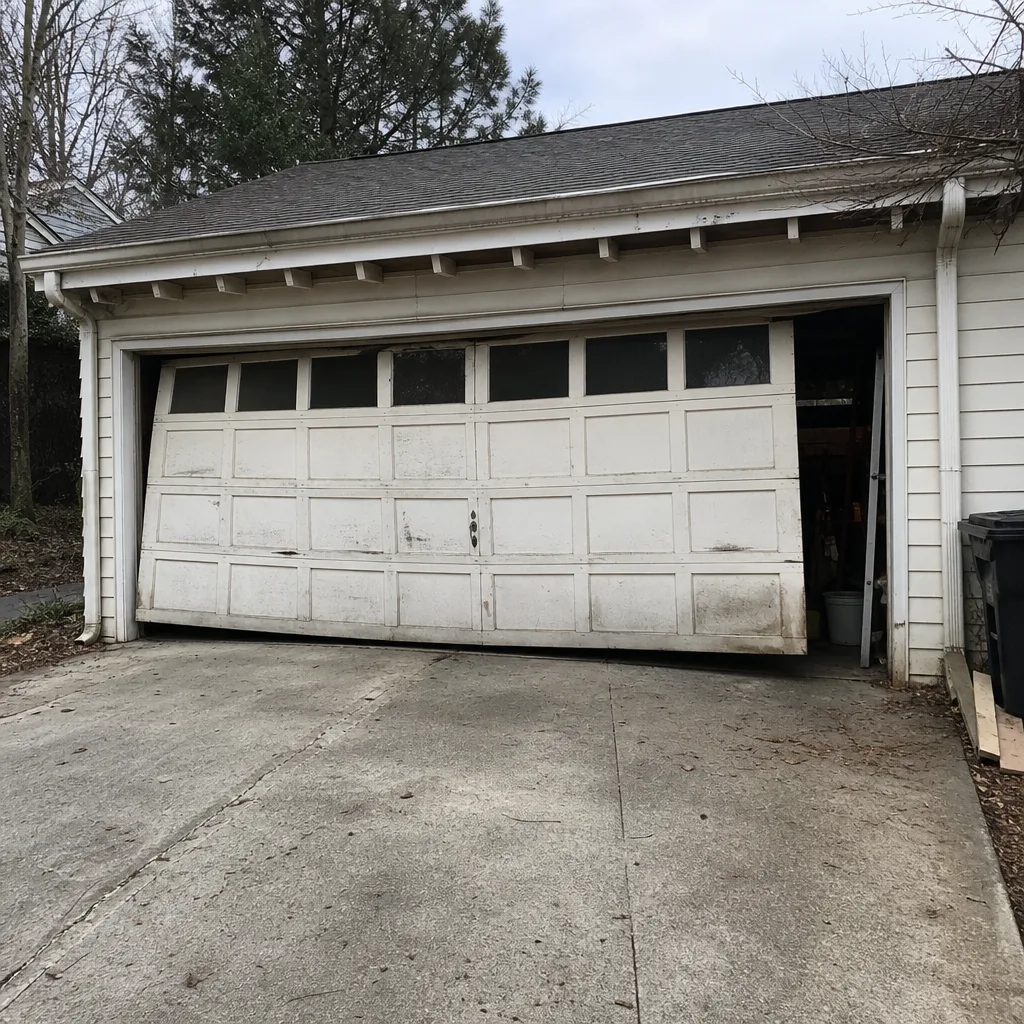 Before
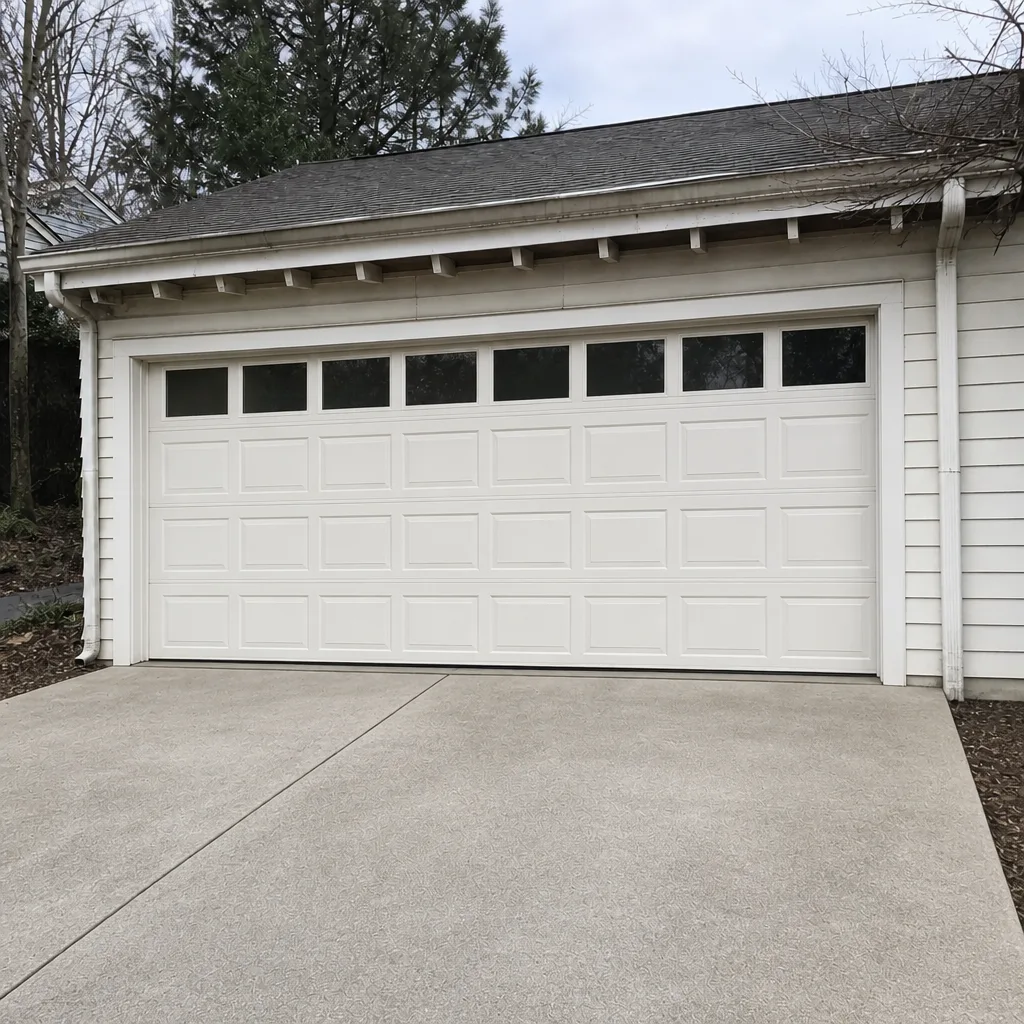 After
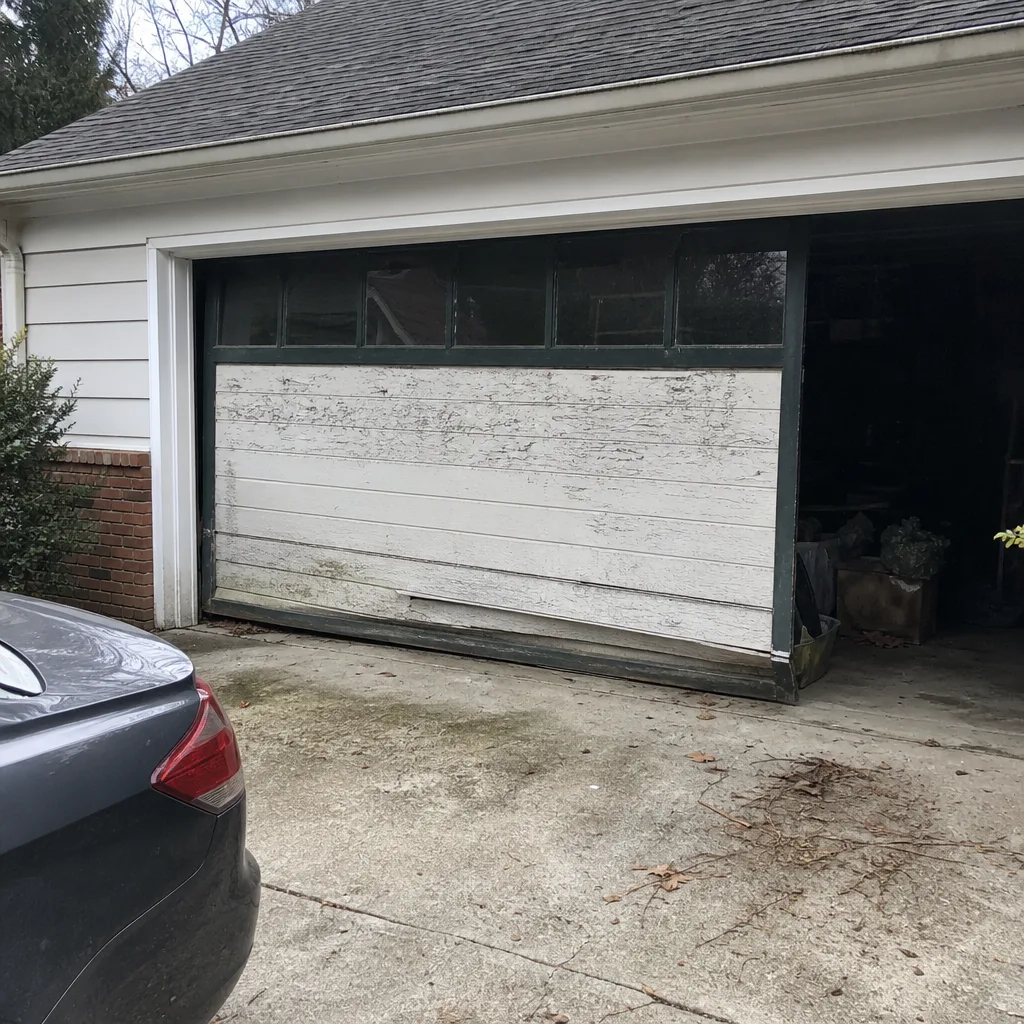 Before
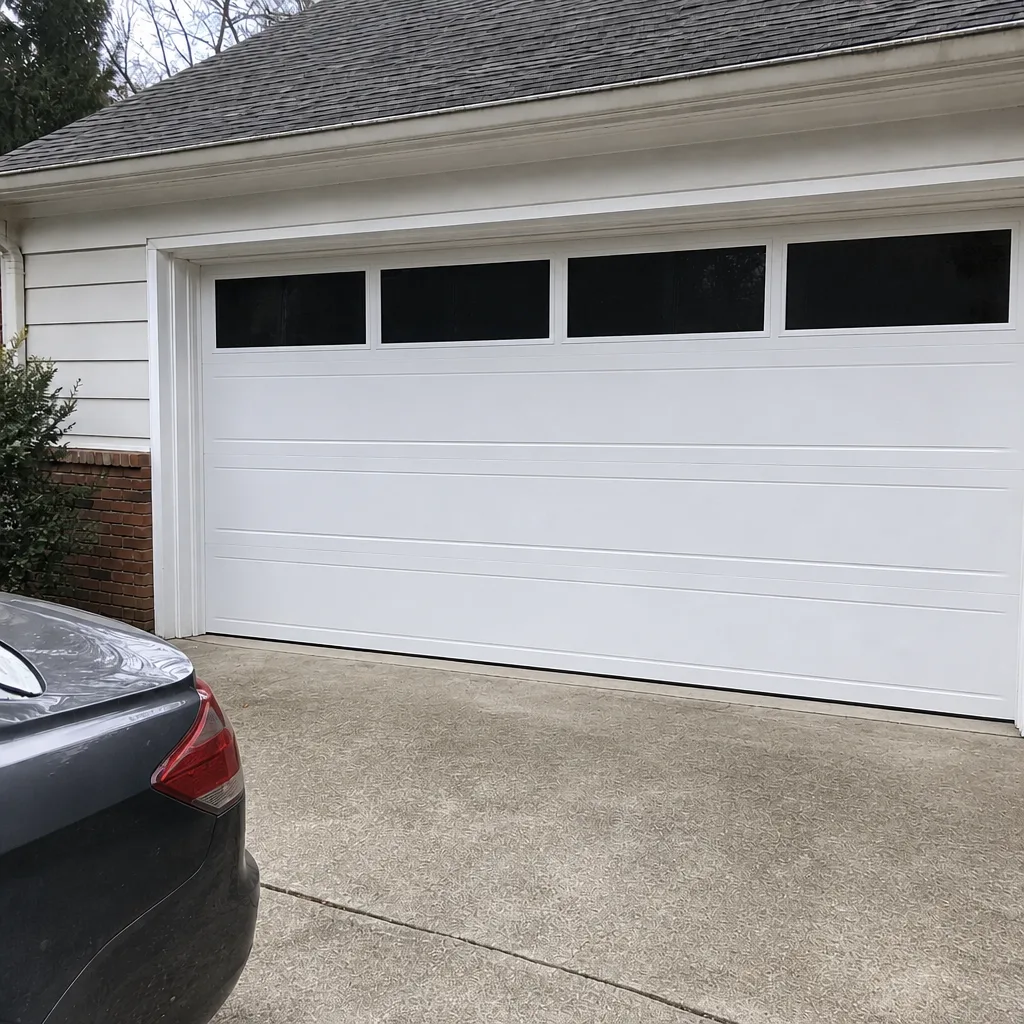 After
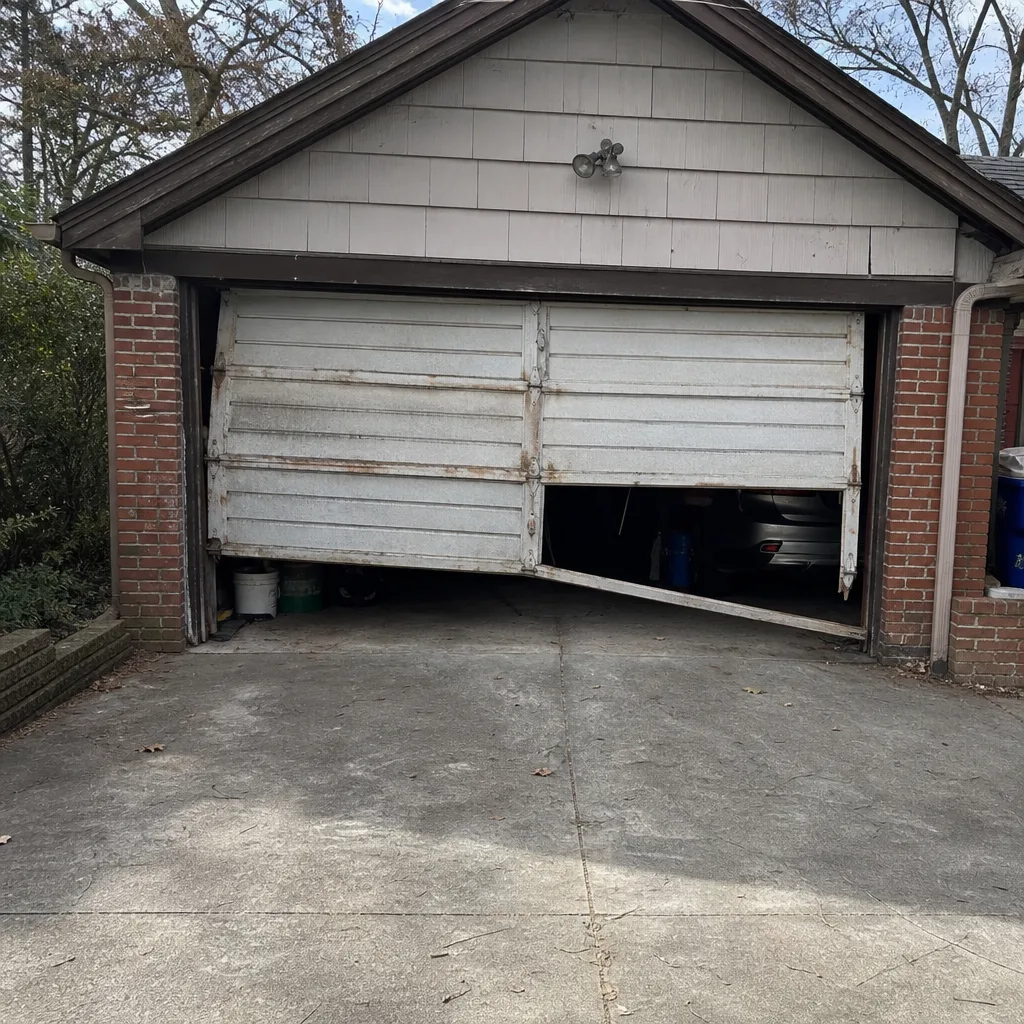 Before
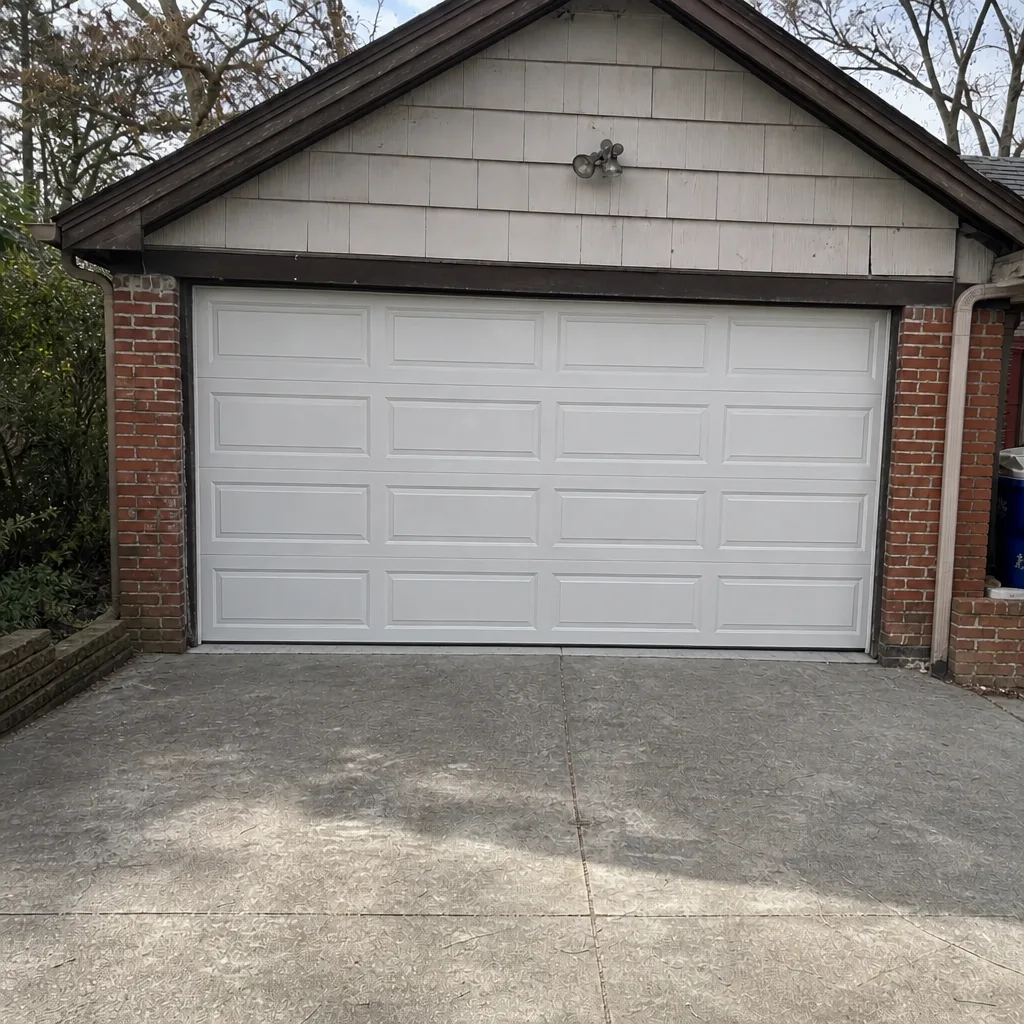 After
Common Mistakes to Avoid
- Greasing the tracks. Garage door lubricant goes on hinges, roller stems, and springs – never the track itself. Grease in the track collects grit and accelerates wear. This is the single most common mistake we see on Virginia-Highland doors.
- Skipping the fall cleanup. Homeowners assume the track cleans itself. It doesn’t. Debris left in the horizontal tracks through the winter throws off balance and stresses the opener on every cycle.
- Forcing a stuck door. Pushing or pulling a door through a bind – especially in summer when wood doors swell – loads the opener and can lift a track off its brackets. Investigate the cause instead.
- Ignoring a sensor that “mostly” works. A safety sensor that works most of the time will eventually leave you with a door that won’t close on a Sunday evening. There’s no “mostly” with a sensor. If it’s intermittent, it needs attention.
- Treating winter as rest season. The freeze events here are short but real. Springs, rollers, and seals all take strain during a cold snap. Inspection before the first freeze is what prevents January failures.
- Assuming the opener is at fault when the door is. In summer and winter, most “opener problems” turn out to be door alignment, balance, or a swollen panel. The opener is doing exactly what it was designed to do – the door is resisting.
- Letting pollen season end without a seal check. The fine film that builds up on a seal through April and May is what turns into a cracked, flat, useless seal by August. A five-minute check in June is cheaper than a seal replacement later.
When to Call a Professional
Some tasks belong in the homeowner lane. Springs, cables, opener internal components, and anything involving force or safety settings belong to a trained technician. Two reasons: a torsion spring under tension can cause serious injury if it releases unexpectedly, and a door out of balance puts strain on every component that touches it. If you’re not sure whether you’re looking at a homeowner task or a professional one, assume it’s a professional one and ask.
Call when you see: a snapped spring (the door won’t lift, or lifts only a few inches), a door that’s suddenly out of balance after the manual release test, visible cable fraying, a door that reverses partway down repeatedly, an opener that flashes rather than cycling, a bent track, a door that’s come off its rollers, or a weather seal that’s clearly failed or rained through. Call too if the door is older and the pattern of small sounds has changed noticeably – a failing component usually telegraphs itself before it quits.
Garage Door Repair Virginia-Highland offers free estimates in Virginia-Highland – call (866) 937-7146. Our technicians have up to 15 years of experience. Prices are quoted and agreed before any work starts, so you know what you’re paying before we begin. Emergency service is available when the door won’t move, and when the door is a security concern, we move fast.
Frequently Asked Questions
Once a year as a baseline, plus a spring pollen cleanup in late May or June and a fall leaf cleanup in September or October. Virginia-Highland’s tree canopy and pollen load mean tracks and seals need more frequent attention than in neighborhoods without heavy tree cover. A yearly tune-up catches small issues before they turn into January failures. Call (866) 937-7146 for a free estimate – estimates are free.
No. Garage door springs are under high tension and should only be serviced by a trained technician. Replacing them requires specific tools, correct winding procedures, and a clear understanding of the balance system. If the spring has failed, keep the door closed and call a professional rather than attempt a repair yourself. Call (866) 937-7146 and we’ll talk through the fix.
January failures are usually the result of cumulative wear from the previous summer and fall, not the cold itself. A spring that lost tension through a hot summer and never got lubricated in spring has nothing left when the first freeze hits. Fall debris left in tracks adds load on every cycle. The cold delivers the final stress to components that were already marginal. Call (866) 937-7146 for an exact quote – estimates are free.
If the door reverses partway down, won’t close, or the opener flashes instead of cycling, sensors are the first thing to check. Wipe the lenses on both sensors, clear anything in the beam path, and confirm the indicator lights on each sensor are steady rather than flickering. If the problem persists after cleaning, it may be an alignment issue. Call (866) 937-7146 for a free estimate.
Yes, wood doors need more attention during seasonal humidity swings. Virginia-Highland summers swell wood panels, and cold winters contract them. Expect to check tolerances and the weather seal more often on a wood door, and be more aware of binding in summer or gaps in winter. Steel doors need attention mainly around heat expansion and hardware alignment. Call (866) 937-7146 to discuss the right schedule for your door.
The written quote is the price. We quote and agree before any work begins, and the estimate we give on the phone informs the written quote you receive. If the diagnosis changes on site – a spring failure turns out to involve a bent track, for example – we’ll explain that before any additional work. No surprise line items. Call (866) 937-7146 for an exact quote – estimates are free.
The Bottom Line
Garage door care in Virginia-Highland follows a seasonal rhythm: pollen cleanup in late spring, heat and humidity awareness in summer, leaf clearing in fall, and freeze prep in winter. Each season stresses a different component, and the failure you see in one season usually traces back to a task skipped in the previous one. The month-by-month card above is the whole guide in miniature. If you carry nothing else away, carry this: clean the tracks twice a year, lubricate the moving parts before the first freeze, and never force a door that’s binding. Springs, cables, and opener internals are professional work. Everything else is a five-minute habit.
Call Garage Door Repair Virginia-Highland at (866) 937-7146 for a free estimate. Same-day service on repairs, upfront pricing, and a written quote before any work starts.
Written by the team at Garage Door Repair Virginia-Highland.