Last updated November 23, 2026
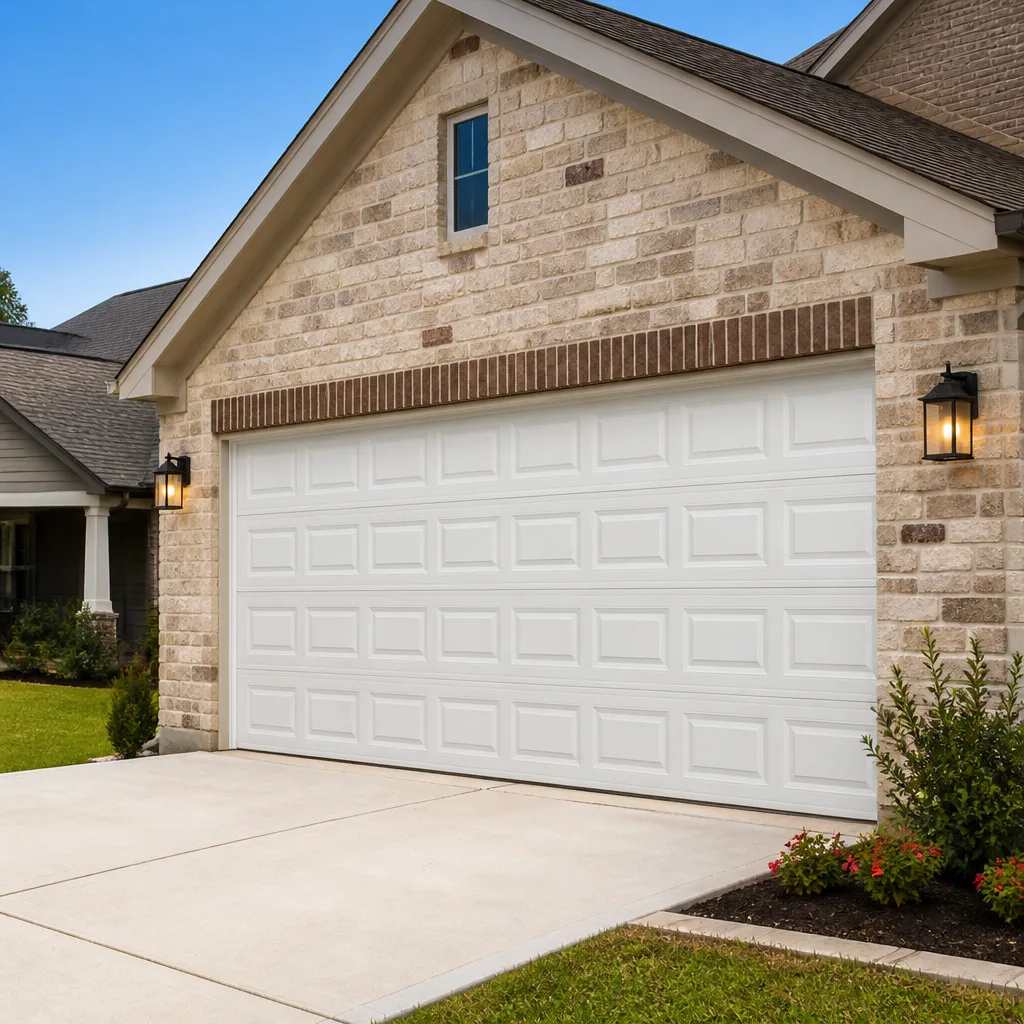 Raised-panel steel
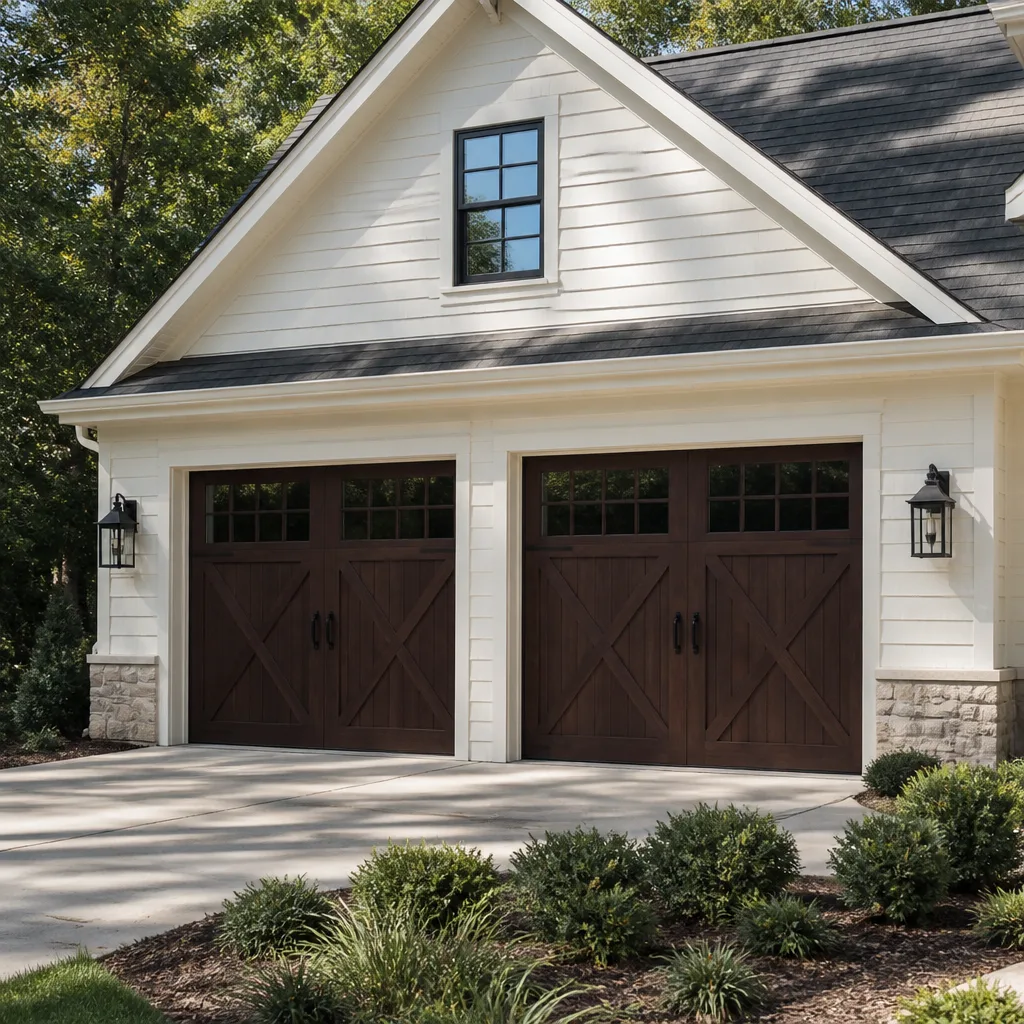 Carriage house
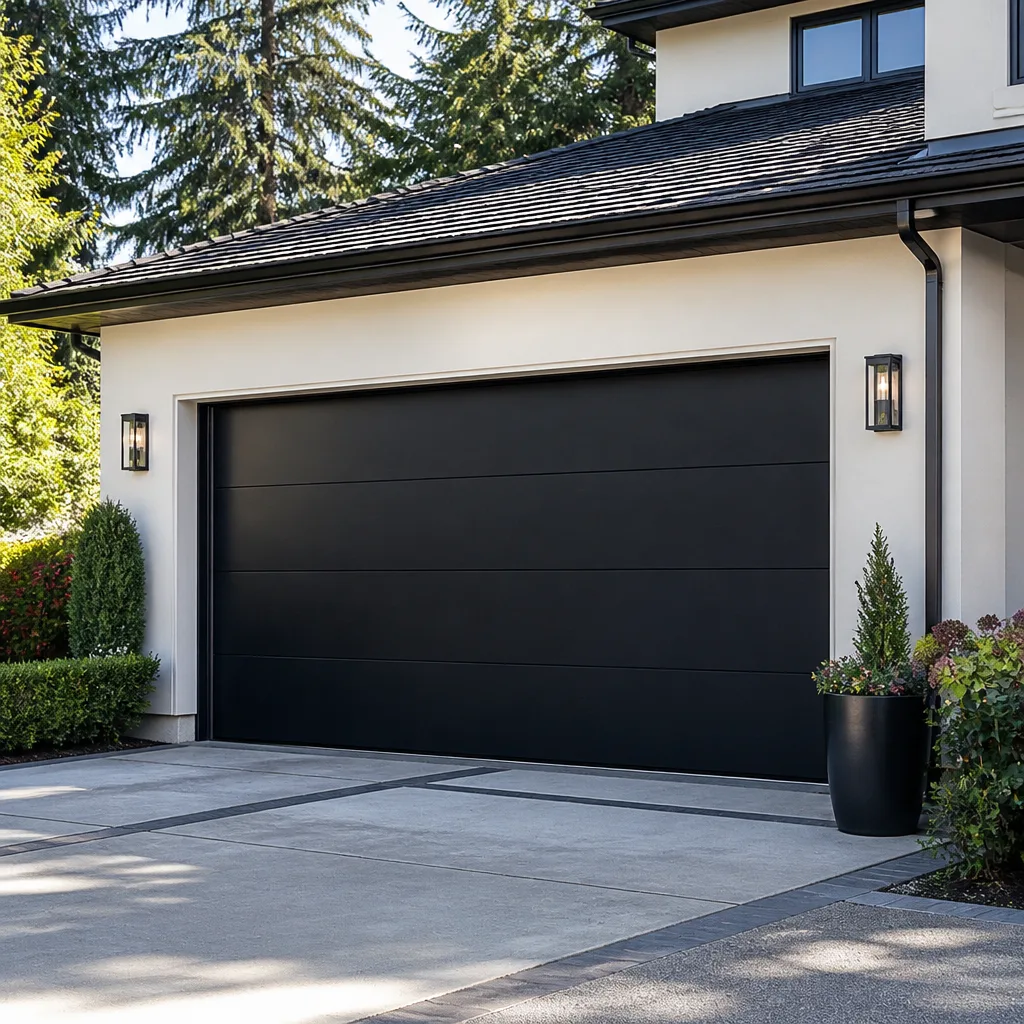 Modern flush
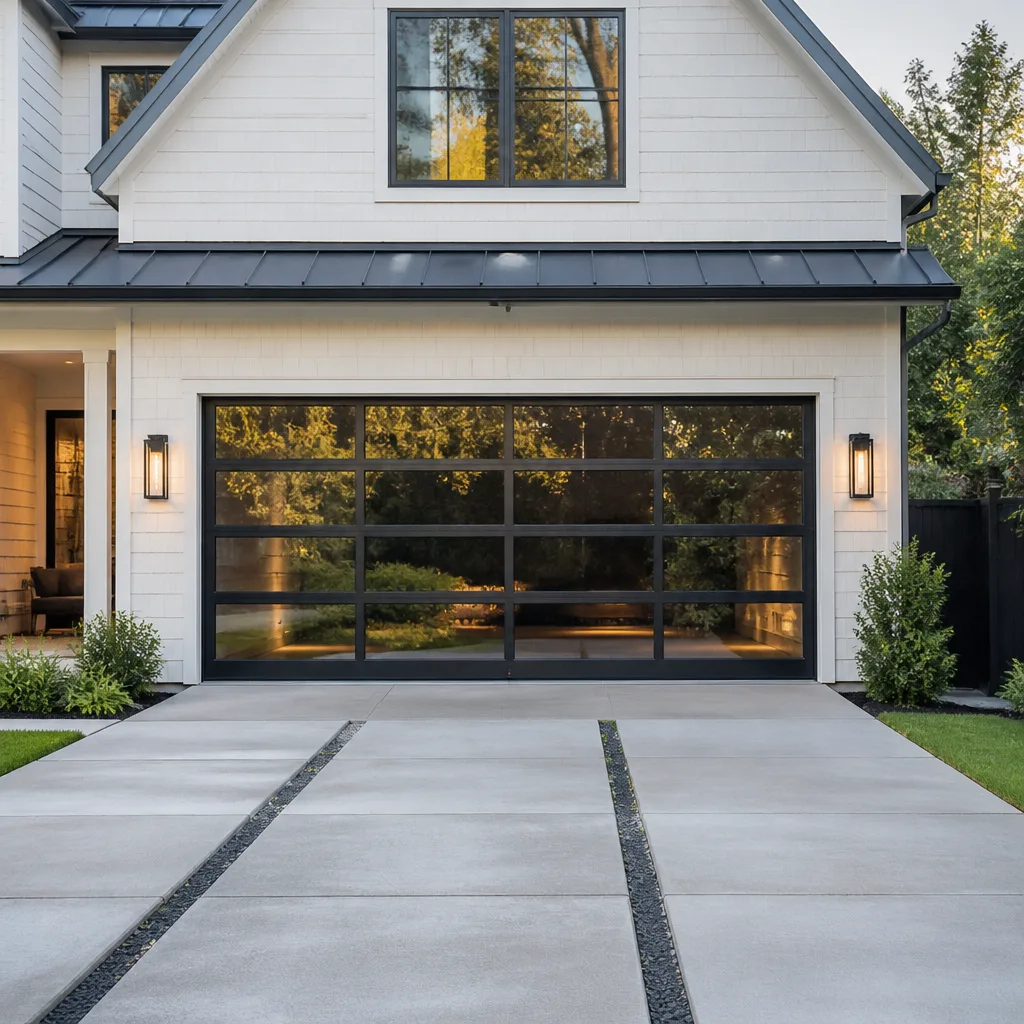 Full-view glass
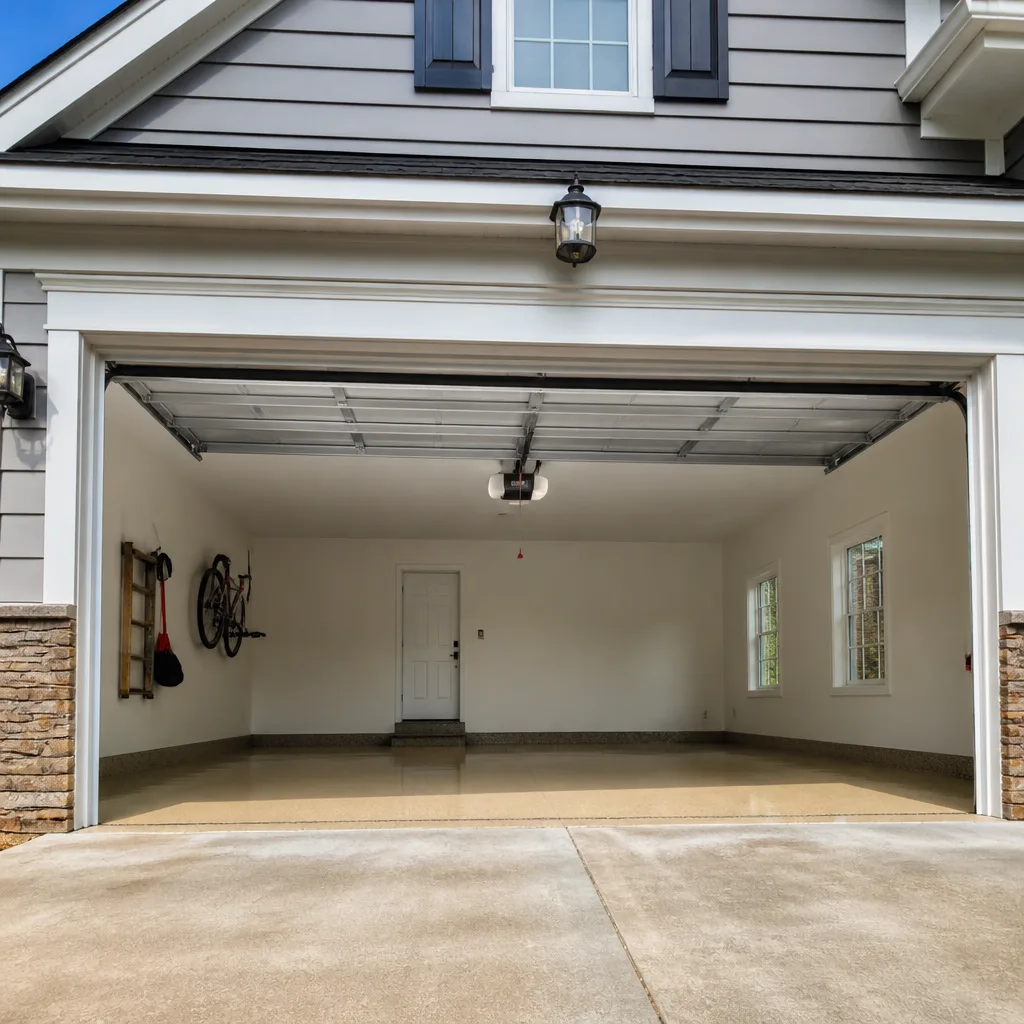 LiftMaster openers
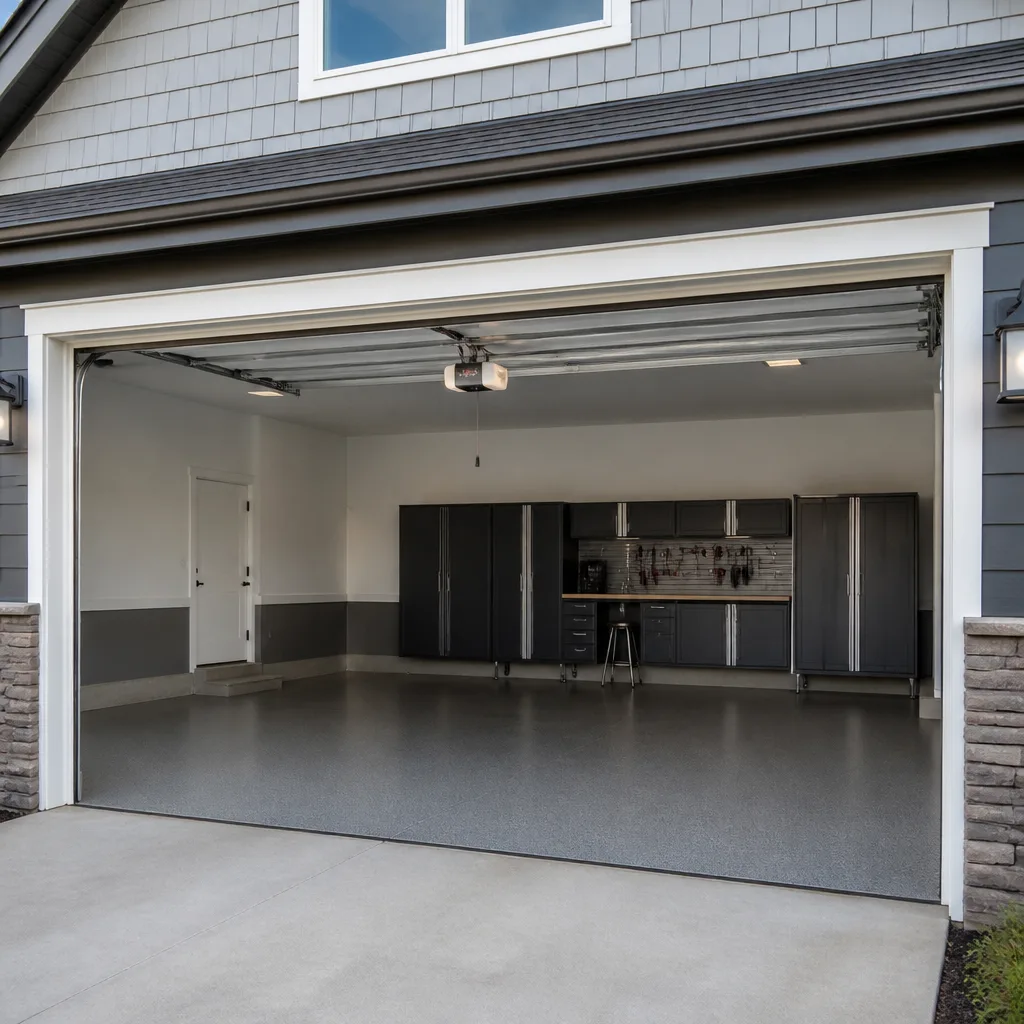 Chamberlain openers
Full 25-point door and opener safety check with every visit - springs, cables, rollers, tracks, and your LiftMaster or Chamberlain opener included
You get a price before we start. It does not change when the pro arrives.
Get your free estimateDIY vs Professional Garage Door: The Virginia-Highland Homeowner’s Decision Guide
Most homeowners assume the DIY-versus-professional question comes down to skill. It doesn’t. Garage doors are one of the few systems in a house where specific tasks carry consequences severe enough that no amount of confidence makes them safe to attempt, and where other tasks are genuinely fine for a careful homeowner with an afternoon and the right tools. Torsion spring replacement is the clearest example: the danger isn’t that it’s complicated to understand, it’s that a spring wound to full tension doesn’t offer a second chance if the bar slips. This guide breaks the job into three categories – do it yourself, do it yourself with real risk, and call a trained technician – and shows you how each one plays out in Virginia-Highland’s older housing stock.
Quick Answer
Most garage door DIY is limited to maintenance, visual inspection, and simple adjustments like re-engaging a disconnected trolley or replacing a remote battery. Torsion spring work, cable replacement, and anything involving the bottom brackets or high-voltage opener wiring should go to a trained technician, full stop. Everything in between – rollers, weather seals, opener programming, track adjustments – lands in a gray zone where the real question is whether you can inspect your own work against a known standard. In Virginia-Highland, where many garages predate the current standard hardware, that last part matters more than it does in newer construction.
Styles & brands we work with
- Raised-panel steel
- Carriage house
- Modern flush
- Full-view glass
- LiftMaster openers
- Chamberlain openers
Table of Contents
- The Task-by-Task Breakdown: What’s Actually DIY-Safe
- Why Older Virginia-Highland Garages Raise the Bar
- The Real Cost Comparison: DIY vs Professional
- How DIY Repairs Void Manufacturer Warranties
- The One Diagnostic Task You Should Always Do Yourself
- When a Repair Crosses Into Professional Territory
- Common Mistakes to Avoid
- When to Call a Professional
- Frequently Asked Questions
The Task-by-Task Breakdown: What’s Actually DIY-Safe
The garage door is a system, not a single component, and the DIY boundary changes component by component. We’ve learned to sort every job into three tiers – and the boundary isn’t about whether you can physically complete the task, it’s about whether a mistake is recoverable.
Tier 1: DIY-Safe
These tasks carry no meaningful injury risk and no risk of cascading damage if they go wrong:
- Testing the safety reverse by placing a roll of paper towels under the closing door
- Lubricating hinges, rollers, and the torsion tube with a proper garage door lubricant once or twice a year
- Replacing remote batteries and re-pairing the remote with the opener using the manufacturer’s instructions
- Wiping down and visually inspecting weather stripping and bottom seals for cracks
- Cleaning photo-eye lenses and confirming the LED indicator is solid, not blinking
- Tightening hinge bolts that have worked loose (finger-tight plus a quarter turn, not a full wrench)
- Re-engaging the emergency release cord if the trolley has separated from the travel carriage
Tier 2: DIY-Possible With Real Risk
These tasks can be completed by a careful homeowner with the right tools and preparation, but the margin for error is thin and the consequences of a mistake are real. Track alignment, roller replacement (when the door is fully open and the tension is off), and replacing a bottom weather seal fall here. So does opener logic board replacement on a plug-in, low-voltage circuit – if you’re comfortable with the wiring.
Our honest take: for most homeowners in Virginia-Highland, the savings on Tier 2 tasks don’t justify the hours of YouTube research, the tool purchases, and the genuine possibility of getting it 90% right. A door that’s misaligned by a half inch will wear its rollers, strain its opener, and eventually produce a bigger repair. If you’re going to try Tier 2, plan on measuring and re-measuring after every adjustment.
Tier 3: Professional Only
These tasks are non-negotiable. Do not attempt them.
- Torsion spring replacement – a wound torsion spring stores enough energy to break bones or worse. The winding bars, the sequence, the count of turns: all of it has to be exact, and there is no partial-credit version of getting it wrong.
- Extension spring replacement – lower energy than torsion but still dangerous, and the attachment points fail catastrophically if not secured correctly.
- Cable replacement – cables are the components that hold the entire door’s weight along the track. Snapped or misrouted cables can let a 200+ lb. door fall.
- Bottom bracket work – the bottom bracket is under continuous load from the cable. Even a slight misstep here is a serious injury risk.
- High-voltage opener wiring – anything involving the circuit panel or the hard-wired connection to a LiftMaster or Chamberlain opener.
- Track realignment on a door missing a spring – if the door’s weight isn’t supported, the track geometry is meaningless and the whole assembly is unstable.
If you’re looking at our spring repair service as an alternative to doing it yourself, that’s the right instinct. Spring failure is a safety issue, not just an inconvenience, and it’s the one area where a specialist shouldn’t be a maybe. You’ll find more on our Garage Door Repair Virginia-Highland page.
Why Older Virginia-Highland Garages Raise the Bar
Virginia-Highland’s housing stock runs heavily pre-1970, and that changes the DIY calculus in ways that newer neighborhoods don’t have to think about. Three factors push the professional threshold lower than it would be in, say, a 2015 subdivision off Briarcliff:
Non-standard hardware. A garage built in the 1950s or 1960s may have a track profile, hinge pattern, or bottom bracket geometry that doesn’t match current off-the-shelf components. You can still order the right parts – but you have to know exactly what you’re looking at, and a random roller from the big-box store won’t fit. We’re factory-familiar with Clopay and Raynor components going back decades for exactly this reason, and matching vintage doors is a routine part of what we do.
Settled frames. A garage floor and header that have settled a half inch over 60 years will throw off door alignment in ways that aren’t visible until the door is opening and closing. Adjusting the track on a settled frame often means shimming, and shimming the wrong way turns a small alignment issue into a binding door.
Aging electrical. If the opener was installed in an older garage, the circuit it’s connected to may not be what a modern opener expects – no dedicated circuit, no proper grounding, old cloth-wrapped wire in some cases. Replacing an opener without examining the supply side is a good way to trip a breaker every time it runs.
The upshot for Virginia-Highland homeowners: the DIY tasks that are typically safe in a newer garage – roller replacement, track adjustment – come with more caveats in a 60-year-old one. In our experience, the honest question isn’t “can I do this,” it’s “can I do this on this particular door.” If the answer is uncertain, it’s usually worth a professional look. Our garage door repair work in the neighborhood starts with an inventory of what’s actually on the door, not a generic parts list.
The Real Cost Comparison: DIY vs Professional
Comparing DIY to professional work fairly means including three things people leave out: the cost of tools you don’t own, the value of your time, and the cost of the second repair when the first one goes wrong. A bare parts-cost comparison is misleading.
For a typical spring replacement in Virginia-Highland, a matched pair of torsion springs, the winding bars, and the safety gear will land in the same neighborhood as the professional quote – before you factor in the risk. Professional spring work in the area typically runs $180 to $340 per spring, and a matched pair is usually replaced together, so budget roughly twice the single-spring range for a full pair. Given that the parts alone often run $80 to $150 for a matched pair, the labor portion is the smaller number than most people expect.
Here’s how the tiers compare for a realistic spring job:
- DIY parts cost: $80-$150 for a matched pair, plus $40-$90 for a pair of winding bars if you don’t own them, plus safety glasses if you don’t own a good pair.
- DIY time: 3-6 hours for a first-timer, assuming nothing goes wrong, plus significant research time.
- Professional cost: roughly $360-$680 for a matched pair installed, including inspection of cables, rollers, and the balance of the door.
- Risk-adjusted DIY cost: if you damage a cable, a bottom bracket, or the torsion tube, the repair runs into the hundreds more – and if you’re injured, the emergency room is a very different line item.
The DIY math looks attractive until you realize that the professional quote in Virginia-Highland includes the diagnosis, the balanced adjustment after installation, and the accountability if something’s off. That’s what you’re buying. When it’s time to replace the door entirely, professional installation is the only serious option – the door is measured, ordered, and hung to your specific opening, and the written quote sets the price before we start.
If you want an exact number for your door, call (866) 937-7146 – estimates are free.
How DIY Repairs Void Manufacturer Warranties
A large share of garage door and opener warranty claims are denied on a single basis: the failure traces back to installation or repair by someone other than a qualified technician. It’s not a technicality. Manufacturers write warranty terms around the assumption that major components are serviced by trained hands, and when an opener fails because a torsion spring was overwound, the manufacturer is going to notice.
Here’s what that looks like in practice:
- LiftMaster and Chamberlain openers typically carry multi-year coverage on parts, but the terms require installation or repair by a qualified technician for the warranty to apply. A DIY opener swap usually voids the labor coverage and can void parts coverage if the failure traces to installation.
- Raynor and Clopay doors carry warranty coverage on sections and hardware, but the terms usually exclude damage from improper installation, misalignment, or service by unqualified hands. A door that’s been DIY-adjusted and then fails along a hinge is a warranty claim that won’t go through.
- Springs are almost never warranted to the DIY installer. The spring itself carries a manufacturer warranty, but that warranty covers defects – not damage from improper installation. If a new spring snaps in six months because it was wound to the wrong tension, the warranty response is going to be a polite no.
What this means in practice: before any DIY repair, read the warranty fine print on your specific door or opener. If your door is under warranty, professional work isn’t just safer – it’s often the only way to keep the coverage intact. On top of that, a professional service call typically comes with its own workmanship guarantee, which is a warranty on the repair itself. Our own work on LiftMaster and Chamberlain openers is done in a way that doesn’t compromise the manufacturer’s coverage. For issues specific to openers, our garage door opener repair page goes deeper.
The One Diagnostic Task You Should Always Do Yourself
Before you call anyone – and before you decide to DIY – do this: run a thorough hand test on the door with the opener disengaged. It takes five minutes, costs nothing, and gives you the information a technician will need to quote the job accurately.
Here’s the sequence:
- Disengage the opener. Pull the red emergency release cord down and back so the door is disconnected from the trolley. The door should now move only by hand.
- Lift the door manually. From the closed position, lift the door to about waist height and then to fully open. A properly balanced door should lift with reasonable effort and stay put when you let go halfway up. A door that falls on its own or won’t stay open has a broken spring or serious tension issue.
- Listen for the noise. A door that grinds or squeals while moving by hand is telling you something about rollers or tracks. Rollers that need lubrication sound different from rollers that are failing entirely.
- Check the tracks by eye. With the door fully open, look at both vertical and horizontal tracks. They should be parallel and clean. Any obvious bend, dent, or debris is worth noting.
- Test the safety reverse with the opener re-engaged. Place a roll of paper towels flat under the closing door. The door should reverse on contact with it, without hesitation. If it doesn’t, the safety reverse is not working and the door shouldn’t be used until it’s fixed.
- Note what you find. Write down the symptoms – “door won’t stay open at waist height,” “grinding on the left side during opening,” “opener light blinks five times” – and have that list handy when you call.
That list is worth real money when you call for a quote. It lets us skip the discovery phase and gives you a much closer answer on the phone. It also keeps you out of harm’s way. Never reach for a spring or a cable to “test” it – a visual inspection and a hand-lift are sufficient, and anything more is a professional’s job.
When a Repair Crosses Into Professional Territory
Some repairs have obvious thresholds – a snapped spring or a snapped cable. Others creep up on you. Here’s where we draw the line on repairs to hand off in Virginia-Highland:
The door won’t stay open at any point. That’s a sign of a broken spring or a serious tension issue. Both are Tier 3. Do not prop the door open and use it as a workaround – a door with a broken spring is being held open by the opener’s force, and force is not a safe way to hold 200 lbs. over your car.
The opener runs but the door doesn’t move, or moves a few inches and stops. That could be a stripped gear in the opener (professional), a broken spring (professional), a disconnected trolley (DIY – see Tier 1), or a misaligned safety sensor (DIY). Diagnose before you decide, but call if the diagnosis isn’t obvious.
The door is off its tracks or visibly bent. A door that’s jumped its track is unstable and dangerous to use. Do not try to force it back into the track yourself. This is genuinely one of the more common Virginia-Highland calls, and it’s one where a professional arrangement is worth it.
Any noise that sounds like a snap, bang, or crack. A torsion spring fail usually produces a loud report, and the door becomes very heavy almost instantly. If you hear that sound, stop using the door and call. Spring failure is a safety issue, not just an inconvenience.
The door is 20+ years old and the repairs are adding up. At some point the question shifts from repair to replacement. A pre-purchase or pre-repair assessment from a specialist is worth having before you invest another round of labor in a door that’s at end of life. Our garage door installation page walks through how that evaluation works in a Virginia-Highland garage.
When in doubt, remember: garage doors are all we do, and we’d rather tell you a repair isn’t worth it than take a job that should be a replacement. When the door won’t move, we move fast – our emergency response is available for the situations that can’t wait for a scheduled appointment.
Common Mistakes to Avoid
- Winding a torsion spring without winding bars. There is no safe substitute for a proper pair of winding bars. Screwdrivers and pry bars fail, and when they do, the spring unwinds against whatever is closest – often a wrist or a chest. Buy or borrow the right tools, or don’t do the job.
- Adjusting the opener force to compensate for a symptom. Turning up the force dial to get a door moving over a bad spring or a bad roller solves nothing and puts more stress on the opener. It’s also a great way to void the opener warranty. Diagnose the underlying issue first.
- Assuming your Virginia-Highland door uses standard parts. Older garages in the neighborhood frequently have hardware that doesn’t match current retail. A bottom bracket that fits a 2005 door may not fit a 1962 one. Measure twice, order once.
- Hanging a new opener without examining the circuit. A modern Chamberlain opener expects a properly grounded, dedicated circuit. If the garage is running on the original cloth-wrapped wire from decades ago, that’s the first thing to address – not the opener.
- Ignoring the safety reverse test. The safety reverse is the one feature that stops a closing door when a child or a pet is under it. If it’s not working, the door shouldn’t be used. Test it monthly with a roll of paper towels; it takes fifteen seconds.
- Painting over a failing door section. Painting can hide rust, cracked sections, or hairline cracks in the aluminum. A door that looks better can still be structurally compromised. Prep and inspection matter more than paint quality.
- Replacing just one spring in a matched pair. When one spring breaks, its partner is at the same age and has taken the same number of cycles. Replacing one spring and leaving the other half-aged spring in place typically leads to the second failure within months. Replace as a pair.
- Calling a general handyman for spring work. Most handymen aren’t insured for spring work and don’t have the specific tooling. A professional who works only on garage doors is a better call, and the price difference is smaller than the risk difference.
When to Call a Professional
Call a professional for any of these situations: a snapped torsion or extension spring; a door that won’t stay open or has become very heavy; a snapped or visibly damaged cable; a door that’s off its track or visibly bent; any high-voltage wiring inside the opener; and any repair where you can’t identify the failure after a thorough hand-test. Also call when the repairs on a door older than 20 years are stacking up – at that point the honest recommendation may be replacement, and we’d rather tell you that on a free estimate than take an installation you don’t need.
Garage Door Repair Virginia-Highland offers free estimates in Virginia-Highland – call (866) 937-7146. Our technicians have up to 15 years of experience, and we work on the brand you already have: LiftMaster, Chamberlain, Genie, Clopay, Amarr, Wayne Dalton, Craftsman, and Raynor. The price you agree to on the written estimate is the price you pay.
Frequently Asked Questions
No – torsion spring replacement is the one garage door task where no amount of video research makes it safe. The spring is wound to full tension and stores enough energy to cause serious injury if a winding bar slips or the sequence is off. The task isn’t intellectually complicated; it’s physically unforgiving. Call (866) 937-7146 for spring work in Virginia-Highland – estimates are free.
Typical professional spring repair in the area runs around $180 to $340 per spring, and since a matched pair is almost always replaced together, budget roughly double that for a full pair. That includes the springs, the winding, the post-installation balance check, and a workmanship guarantee. The written estimate sets the final price before any work starts.
In many cases, yes – particularly for opener and door-section warranty claims where the failure traces back to installation or adjustment by someone other than a qualified technician. Read the manufacturer warranty terms for your specific door or opener before any DIY work. If the door is under warranty, professional work is usually the only way to keep the coverage intact.
Do a hand-test: disengage the opener, lift the door manually from the closed position, and see whether it stays open at waist height. A door that falls on its own has a tension problem; a door that lifts easily and stays put is likely fine on the spring side. Write down the symptoms and have them handy when you call – it shortens the diagnosis considerably.
Sometimes, but less often than in newer construction. The door has to be fully open with the tension off, and the replacement rollers have to match the original track profile – which on a 1950s or 1960s Virginia-Highland garage isn’t guaranteed. If you’re not certain what rollers you’re replacing, that’s a case where a professional look is worth the call.
No – estimates are free. Call (866) 937-7146 and we’ll walk through the symptoms, give you a range on the phone, and set up an in-person estimate if the job needs eyes on it. The written estimate is what you pay, and the price is agreed before any work starts.
The Bottom Line
The DIY-versus-professional question for garage doors is really a question of consequence, not complexity. Tier 1 maintenance tasks – lubrication, safety-reverse testing, remote pairing, weather seal inspection – are worth doing yourself and keep a door in good shape for years. Tier 2 tasks are possible but come with real risk and a real chance of making things worse. Tier 3 tasks – springs, cables, bottom brackets, high-voltage wiring – are professional-only, and the cost comparison only looks favorable to DIY until you factor in the risk of a second repair or injury. In Virginia-Highland’s older garages, the professional threshold sits lower than it does in newer construction because of non-standard hardware, settled frames, and aging electrical. If you’re not certain which tier your repair falls into, call (866) 937-7146 for a free estimate and we’ll tell you honestly.
Written by the team at Garage Door Repair Virginia-Highland.
See the difference
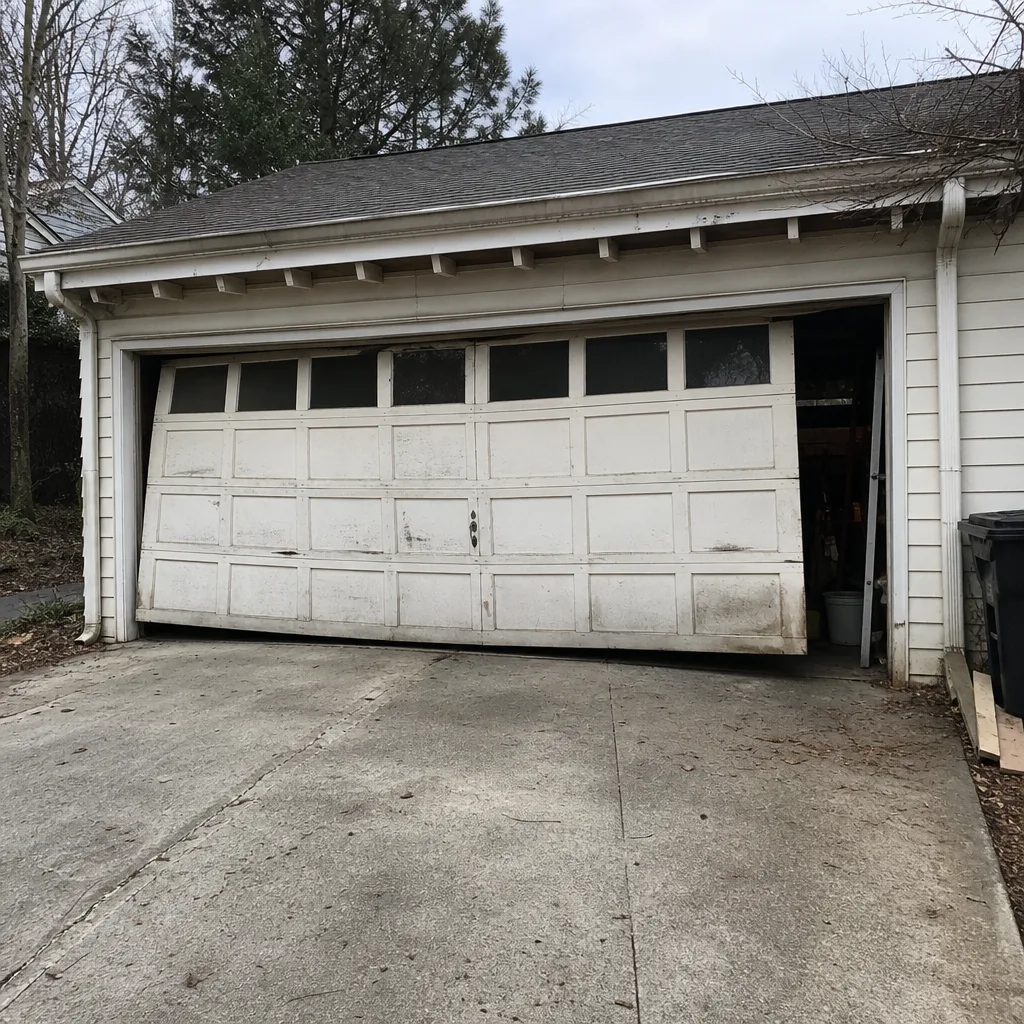 Before
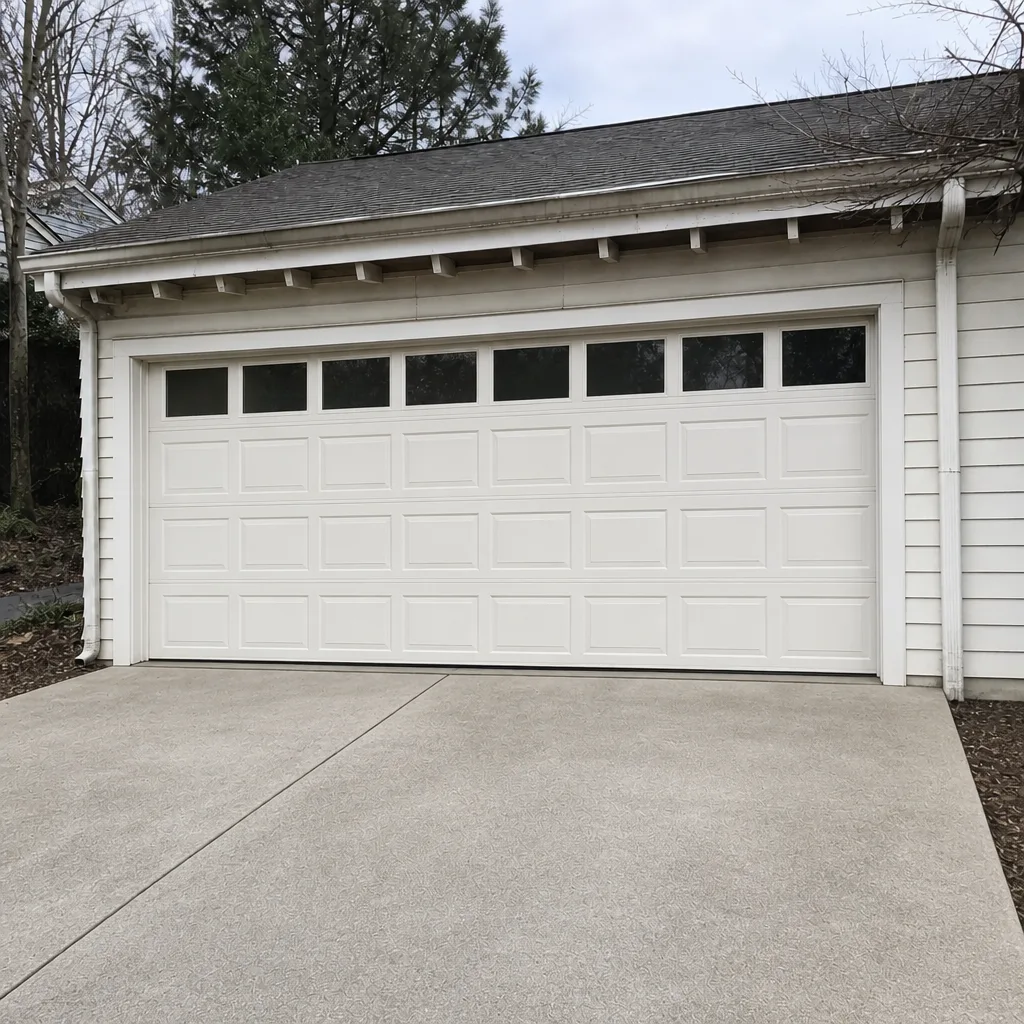 After
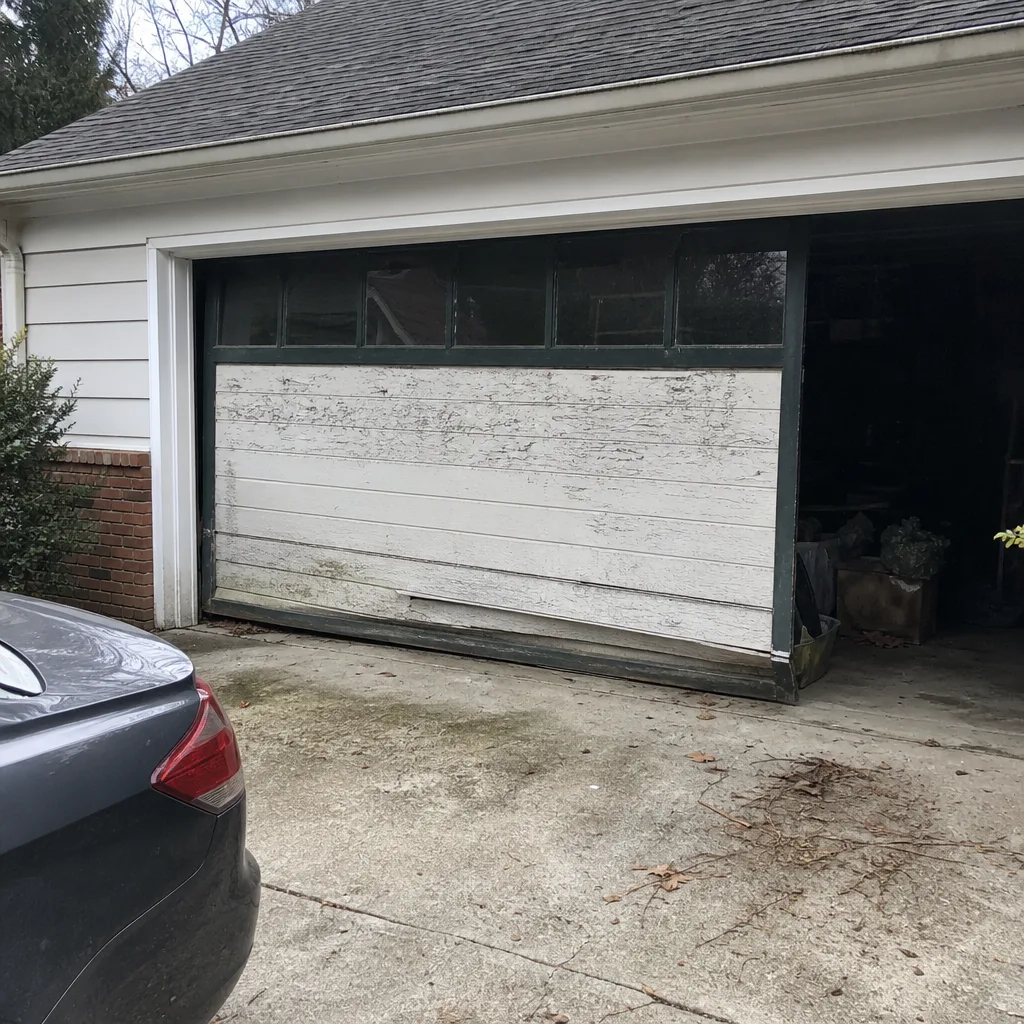 Before
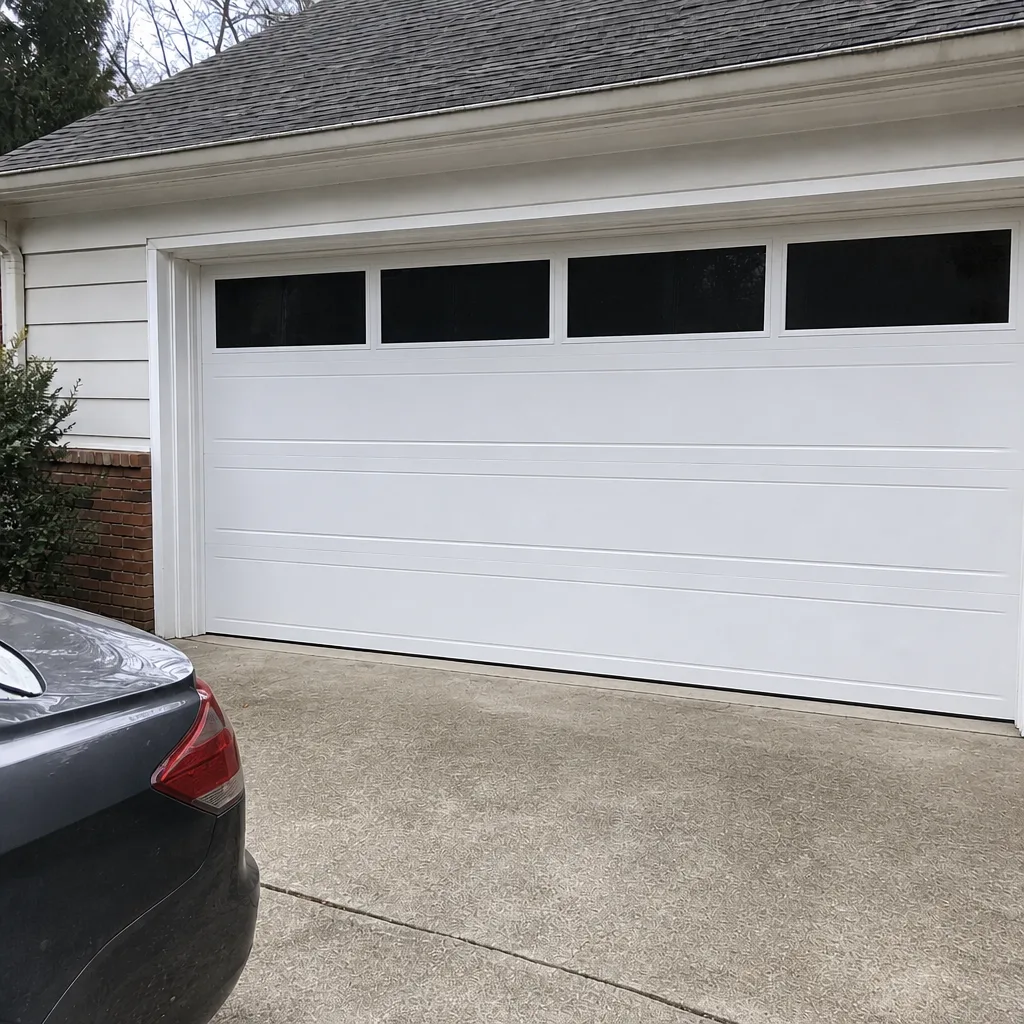 After
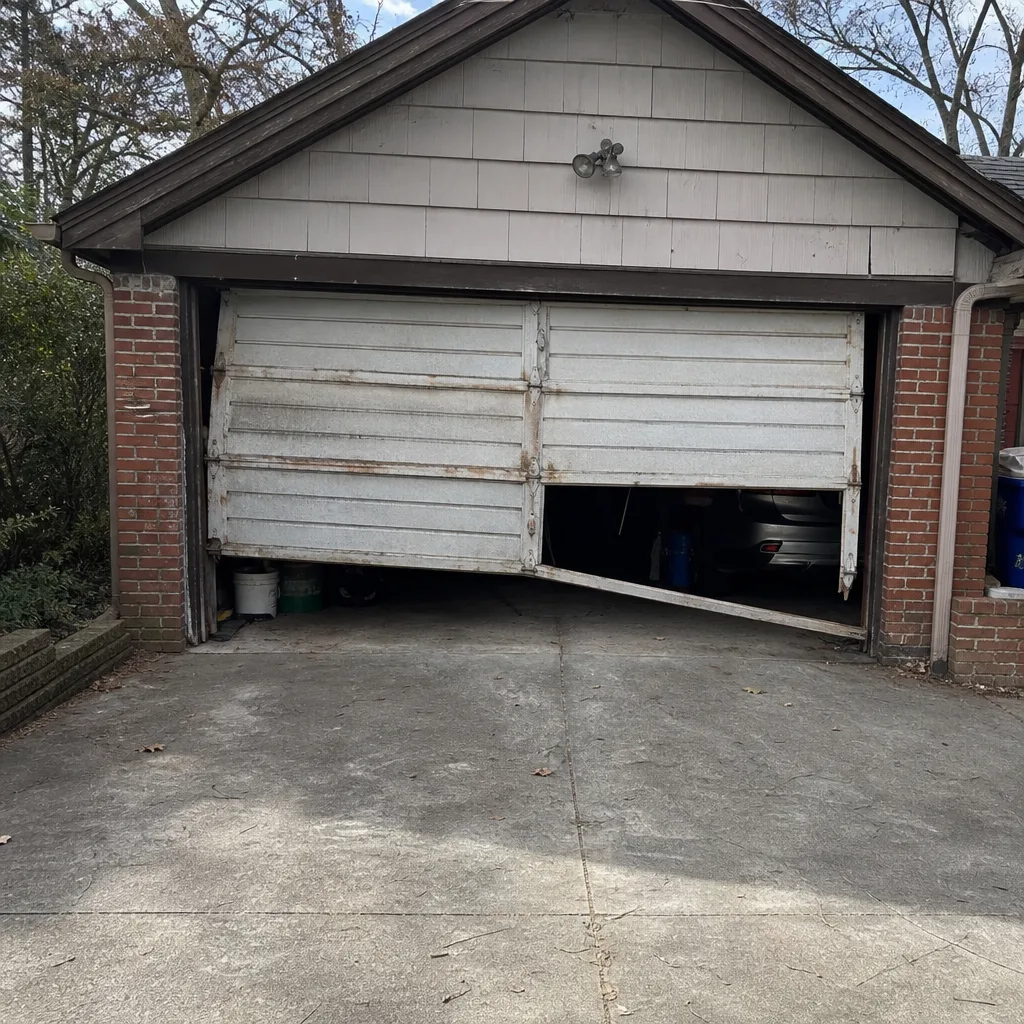 Before
 After